
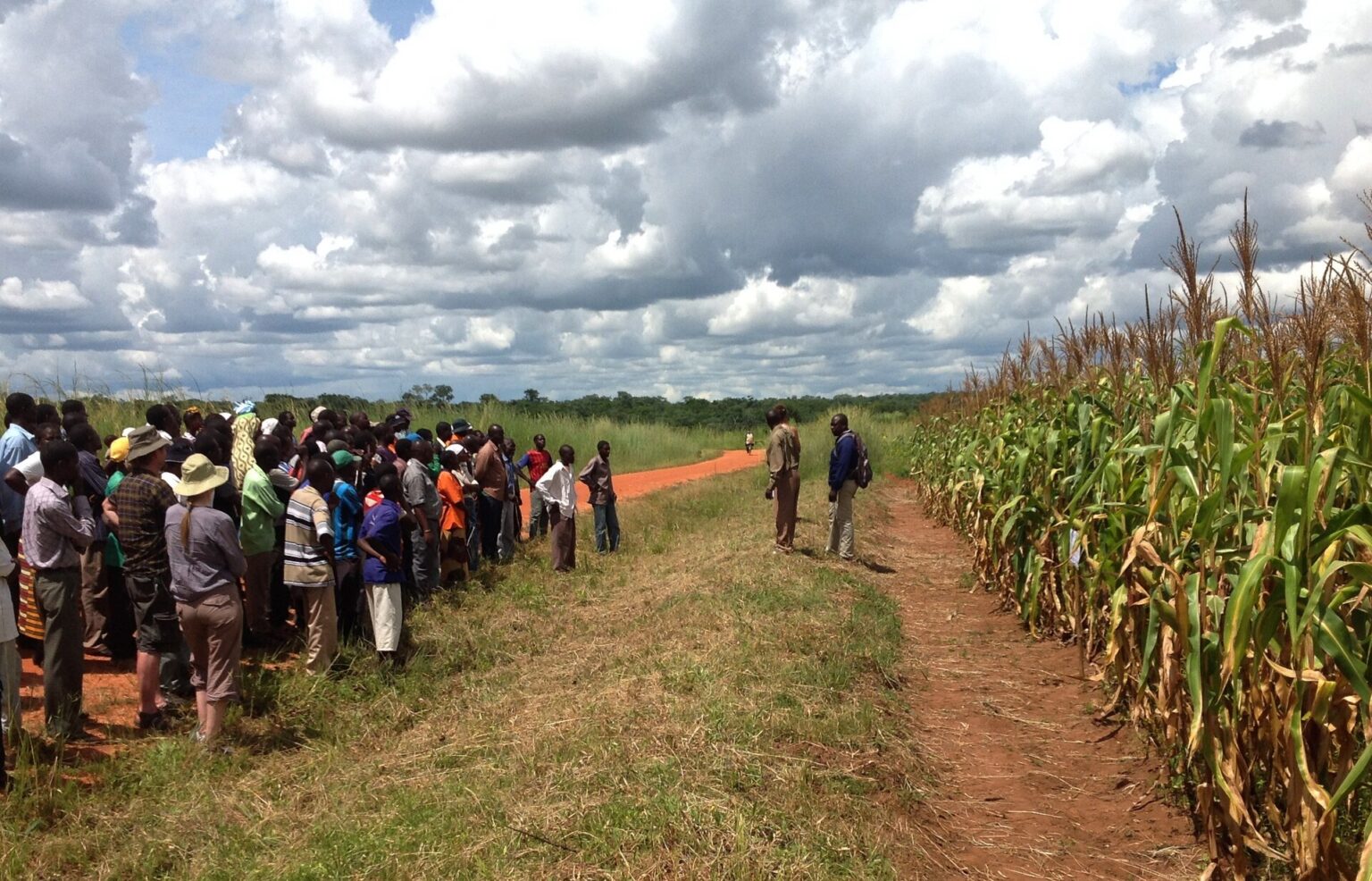

Zambia smallholder farmers in an EU-funded project grew maize yields of 3.7 tonnes a hectare against a national average of about 2.3 tonnes, the European Union said, as the programme handed its tools to the government on 20 November.
The Sustainable Intensification of Smallholder Farming Systems (SIFAZ) project, run for seven years by the agriculture ministry, the UN Food and Agriculture Organization (FAO) and the maize and wheat research centre CIMMYT, reached more than 62,000 farmers.
What did Zambia receive?
The FAO transferred the Mulimi360 e-extension platform, a digital system for sending farm advice, weather and market information to farmers, along with farming practice guides, training materials and policy recommendations, according to a statement from the Delegation of the European Union to Zambia and COMESA.
Agriculture minister Moses Moyo said digital tools were essential as farming becomes “increasingly knowledge-driven”. The EU said it invested more than ZMW724mn in the project. Women made up nearly 60 per cent of beneficiaries, the FAO’s representative Suze Percy Filippini said.
Why does it matter for Zambia smallholder farmers?
Most of Zambia’s maize, the staple food, is grown by smallholders, and low yields leave the country exposed to drought, as in 2024 when a severe El Nino dry spell cut the harvest. The yield figures come from the project itself and could not be independently checked.
For Zambia smallholder farmers, the test now is whether the ministry funds and maintains Mulimi360 after donor money ends. Zambia has also attracted other investment this month, including a cholera vaccine plant.
FAQ
How many Zambia smallholder farmers did SIFAZ reach?
More than 62,000, nearly 60 per cent of them women, according to the FAO.
What is Mulimi360?
A digital extension platform that gives Zambia’s agriculture ministry a way to send advice and information to farmers.
Who funded the project?
The European Union, with the FAO and CIMMYT implementing it alongside the agriculture ministry.


