
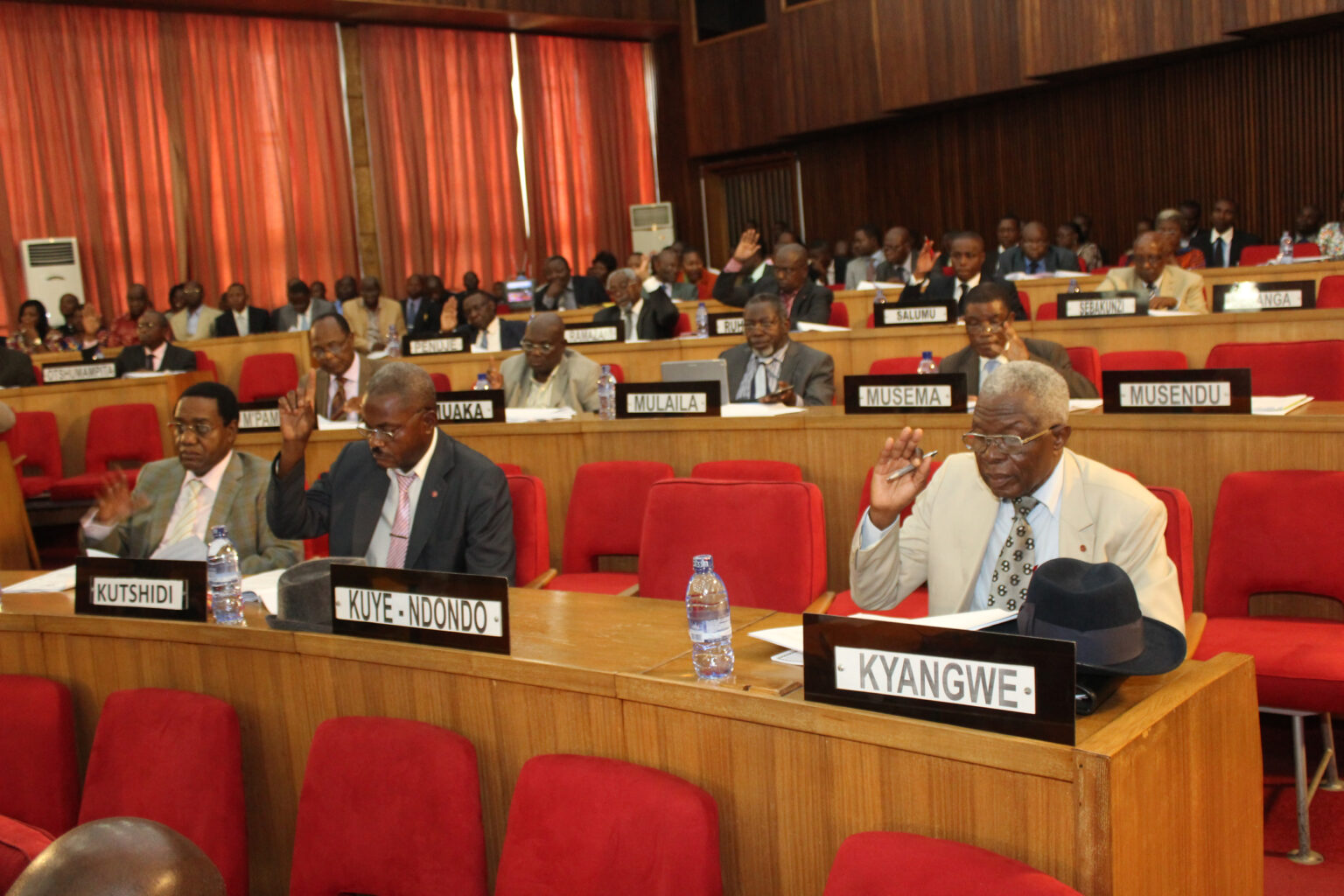

DR Congo social media rules for children moved a step closer on Tuesday when the Senate voted 76-0 for a bill that would bar under-13s from opening accounts on social networks.
The bill amends the country’s 2023 Digital Code and still has to pass the National Assembly. If it becomes law, the Democratic Republic of Congo would join a small group of countries, led by Australia, that set a legal minimum age for social media, in a country where most of the population is young.
What does the DR Congo social media bill say?
The text amends and supplements ordinance-law 23/010 of 13 March 2023, which created the Digital Code, to strengthen the protection of minors and regulate their access to online social network services, the state news agency ACP reported (in French).
Under the version debated in the Senate, children under 13 could not open an account or use the interactive social features of digital platforms. Those aged 13 to 15 would need a supervised account with verifiable parental consent. From 15, minors could use the platforms on their own, according to the bill’s terms as reported by Congolese outlets Congo-Press and Mediacongo.
Platforms would face stronger duties on security, confidentiality, advertising, child-safe design and checking users’ ages. Reports of the vote did not mention fines or other sanctions for companies that fail to comply.
How did the Senate vote?
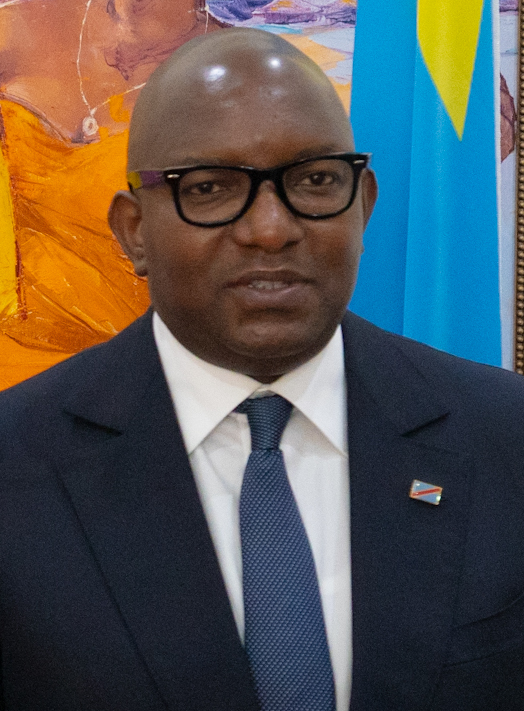
All 76 senators who took part voted in favour, with none against and no abstentions, out of a chamber of 109, Senate President Jean-Michel Sama Lukonde announced in plenary. Before the final vote the Senate adopted 23 amendments from its joint committee on infrastructure, environment and administrative, legal and human rights policy, ACP said.
Lukonde said the text also protects constitutional freedoms, including freedom of expression, the right to information and the right to privacy.
The bill was tabled by Senator Yvan Kazadi Kankonde. The Senate declared it admissible on 28 September and sent it to committee for detailed study.
Who would enforce the DR Congo social media rules?
The bill relies on bodies already set up by the Digital Code and other laws rather than creating a new regulator. The Digital Regulatory Authority would supervise social network services, alongside the Data Protection Authority and the National Cybersecurity Agency, according to ACP.
How age would be checked in practice is not yet clear. Age verification has proved the hardest part of similar laws elsewhere, because platforms must confirm a user’s age without collecting more personal data than needed.
What happens next?
The bill now goes to the National Assembly under Article 135 of the constitution, which requires both chambers to adopt a text in identical terms. If the two chambers disagree, a joint committee would try to agree a single version. Only after that could it be promulgated by President Felix Tshisekedi.
The Senate sent a bill authorising another extension of the state of siege to the Assembly at the same time, ACP said. The state of siege has applied in North Kivu and Ituri since 2021, as fighting continues in the east (see our M23 conflict explainer).
Australia’s ban on social media accounts for under-16s took effect in December 2025, and several European governments are debating age limits. Research on how phones and social media affect children remains mixed, as our guide to the evidence on screen time sets out. The DR Congo social media bill would be one of the first such age limits in Africa, though it sets a lower threshold than Australia’s.
The vote comes as Kinshasa tightens control of other parts of the economy, including a planned cobalt export ban from 30 November.
FAQ
What is the DR Congo social media bill?
It amends the 2023 Digital Code to protect minors online. Under-13s would be barred from opening social media accounts, 13- to 15-year-olds would need supervised accounts with parental consent, and those 15 and over could use platforms on their own.
Is the DR Congo social media ban for under-13s already law?
No. The Senate adopted it on 24 November 2026 by 76 votes to none. It must also pass the National Assembly and be promulgated by the president.
Who would enforce the rules?
The Digital Regulatory Authority would supervise social network services, working with the Data Protection Authority and the National Cybersecurity Agency, according to the state news agency ACP.
What would platforms have to do?
They would have stronger obligations on security, confidentiality, advertising, child-safe design and verifying users’ ages. Reports of the vote did not mention penalties.


