
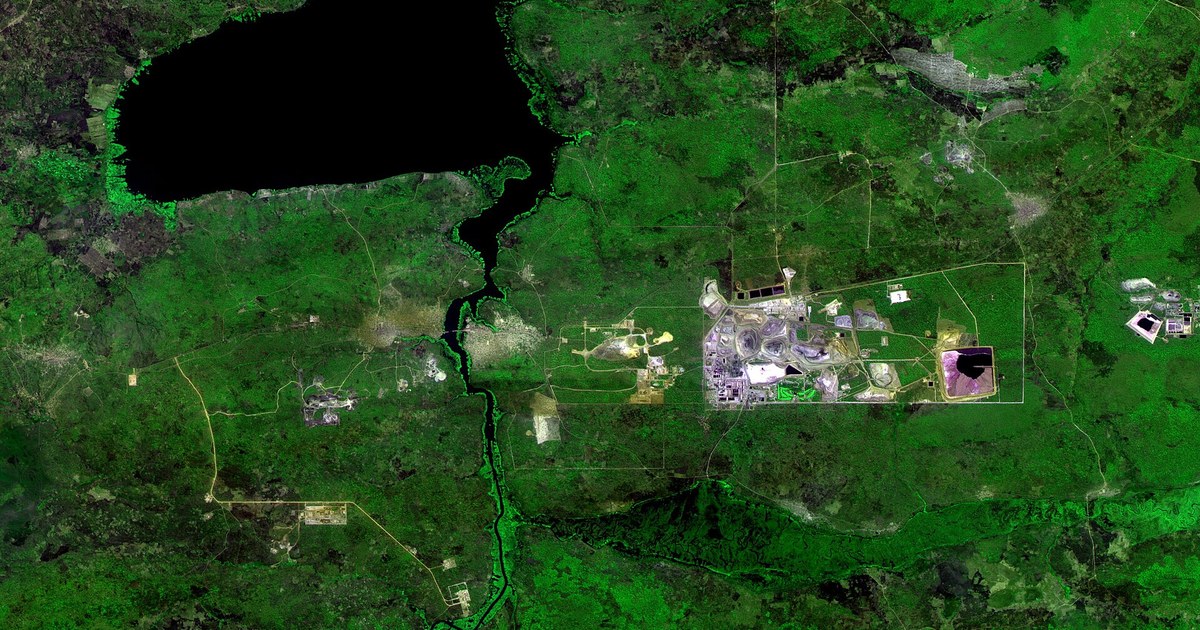

DR Congo will suspend all cobalt exports from 30 November until further notice, its strategic minerals regulator ARECOMS said, reviving a cobalt export ban to stem a price slide in the metal used in electric-vehicle batteries.
The decision by the world’s largest producer reverses this year’s shift from an outright ban to export quotas, and puts pressure on miners such as CMOC and Glencore, which hold the biggest quotas, at a time when Kinshasa is seeking more value from its mineral wealth.
What did ARECOMS decide?
The Authority for the Regulation and Control of Strategic Mineral Substances Markets, chaired by Patrick Mpoyi Luabeya, decided at midday on 23 November to suspend exports from 30 November, Jeune Afrique reported. The suspension covers cobalt from industrial, semi-industrial and artisanal mines and will stay until the regulator formally lifts it.
ARECOMS cited a “significant and sustained decline in cobalt prices” since June, slowing global consumption, rising stocks and “speculative practices in the market”, and said the cobalt export ban aimed to “address the oversupply in the international market and to promote a sustainable rebalancing”, Miningmx reported, citing Bloomberg. It will review the ban after four months and use the pause to “review and adjust the quota allocation mechanism”. Any restart will need a separate decision setting export volumes, quota allocations and the conditions that apply, the regulator said. Reports of the decision did not say how cargoes already contracted would be treated.
The announcement came as Makutano, Central Africa’s main business forum, met in Kinshasa with a focus on mining, RFI noted. President Felix Tshisekedi said on Tuesday that the country’s mineral wealth must benefit its people, Africanews reported.
How has the cobalt export ban worked before?
This is the second halt since early 2025. ARECOMS banned exports for four months in February 2025, extended the cobalt export ban in June, and replaced it with quotas from 16 October 2025, according to the International Energy Agency’s policy database.
Prices rallied after both moves. Cobalt hydroxide, Congo’s main cobalt export, more than quadrupled before almost halving from an April peak, Bloomberg reported, citing Fastmarkets data. Congo shipped 61,441 tonnes of cobalt in the first nine months of 2026, against more than 145,000 tonnes in the same period of 2024. Before the restrictions it supplied about three-quarters of the world’s mined cobalt.
Will it work this time?
Analysts quoted by Jeune Afrique questioned whether the measure still makes sense if prices recover. A fresh ban could benefit Indonesia, the second-largest producer, Bloomberg said. Chinese companies are now involved in 49 critical-minerals projects in the country, Jeune Afrique reported, and large miners have been shifting their focus to copper, whose price has risen.
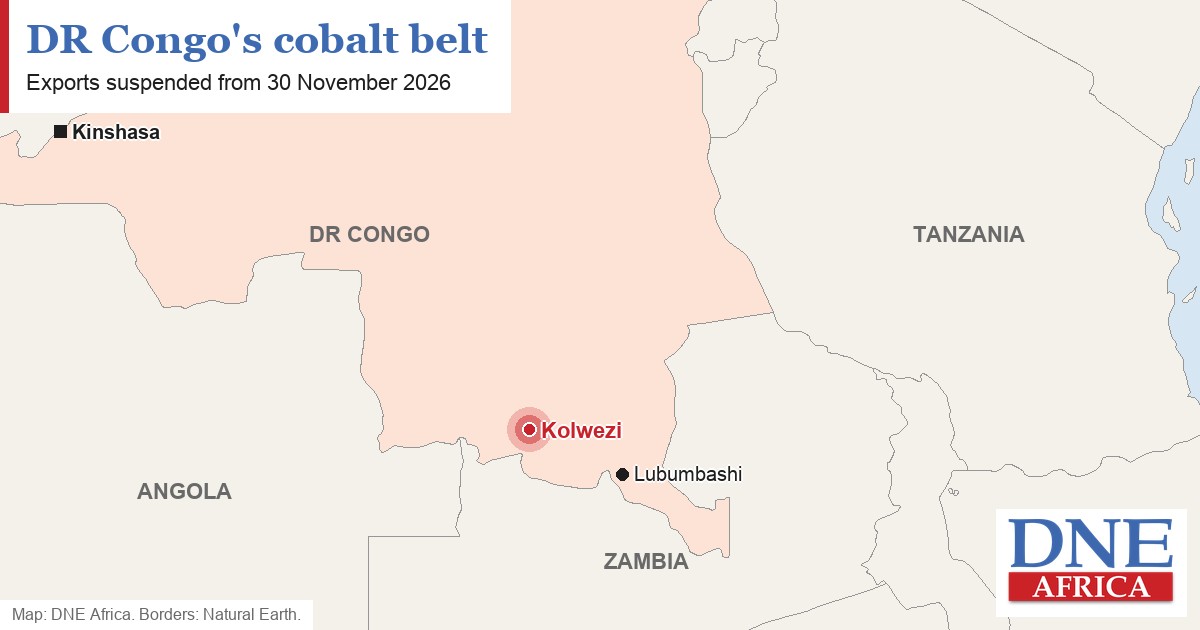
Copper and cobalt are mined together in the Katanga belt around Kolwezi and Lubumbashi, so the cobalt export ban does not stop mining. It does leave producers holding stock, and the state losing export revenue, until shipments resume. Debate over who benefits from the region’s minerals and transport routes runs through recent research, including an African Narratives study on the Lobito Corridor.
FAQ
When does DR Congo’s cobalt export ban start?
On 30 November 2026, and it lasts until ARECOMS formally lifts it, with a review after four months.
Why did DR Congo bring back the cobalt export ban?
ARECOMS cited a sustained fall in prices since June, slowing demand, rising stocks and speculation.
How much cobalt does DR Congo export?
61,441 tonnes in the first nine months of 2026, down from more than 145,000 tonnes in the same period of 2024.
Which companies are affected?
All exporters; CMOC, Glencore and Eurasian Resources Group hold the largest export quotas.


