
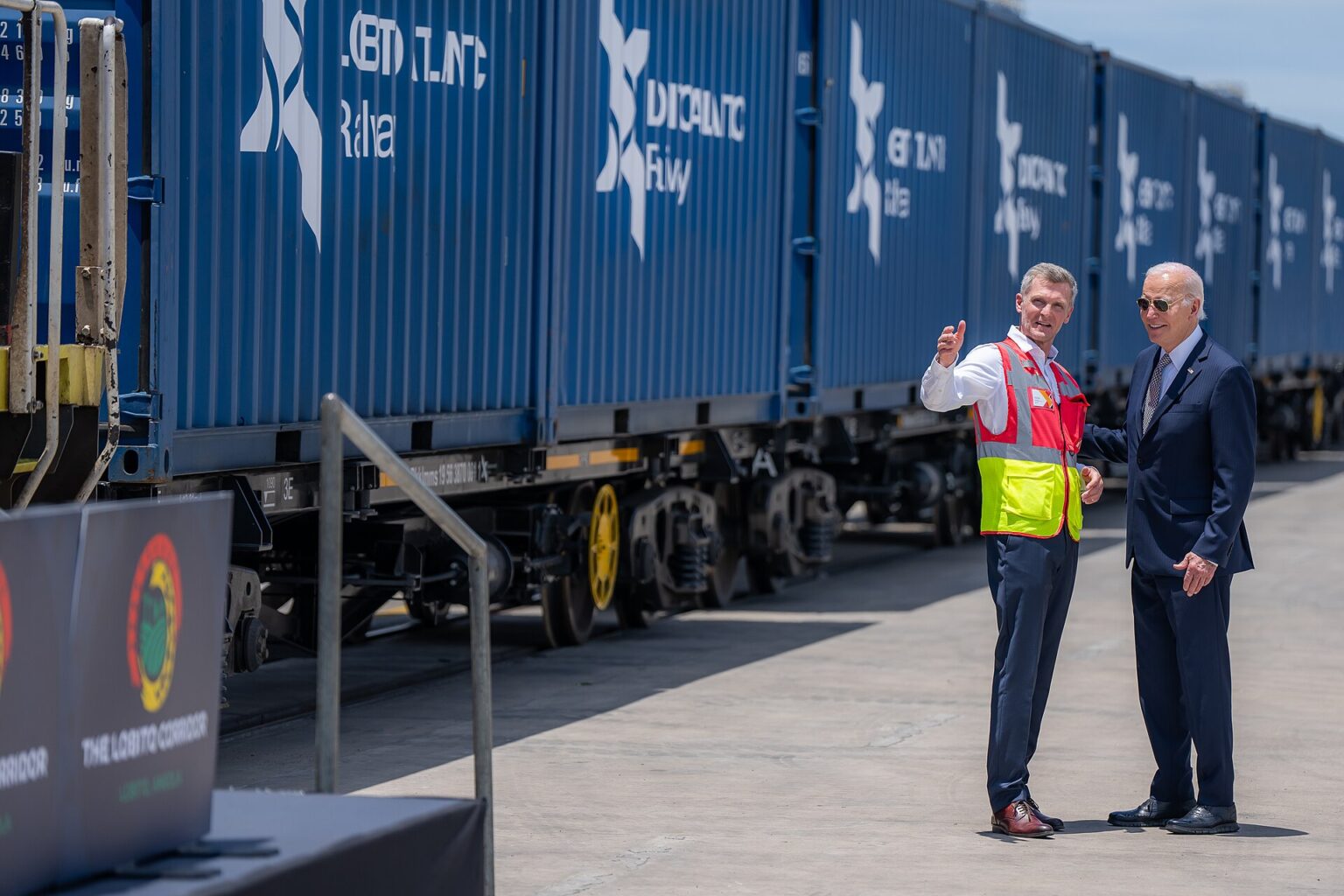

The Lobito Corridor linking Angola’s port of Lobito to copper and cobalt mines in the DRC and Zambia will not on its own change where Africa’s minerals are refined, an African Narratives study published on 21 November found.
The study, by Farouk Hussein Abu Deif of the Chad-based think tank, argues that the railway can strengthen the three governments’ bargaining power, but only with investment in refining, power and local industry. Otherwise it may just ship raw materials abroad faster.
What does the study say about the Lobito Corridor?
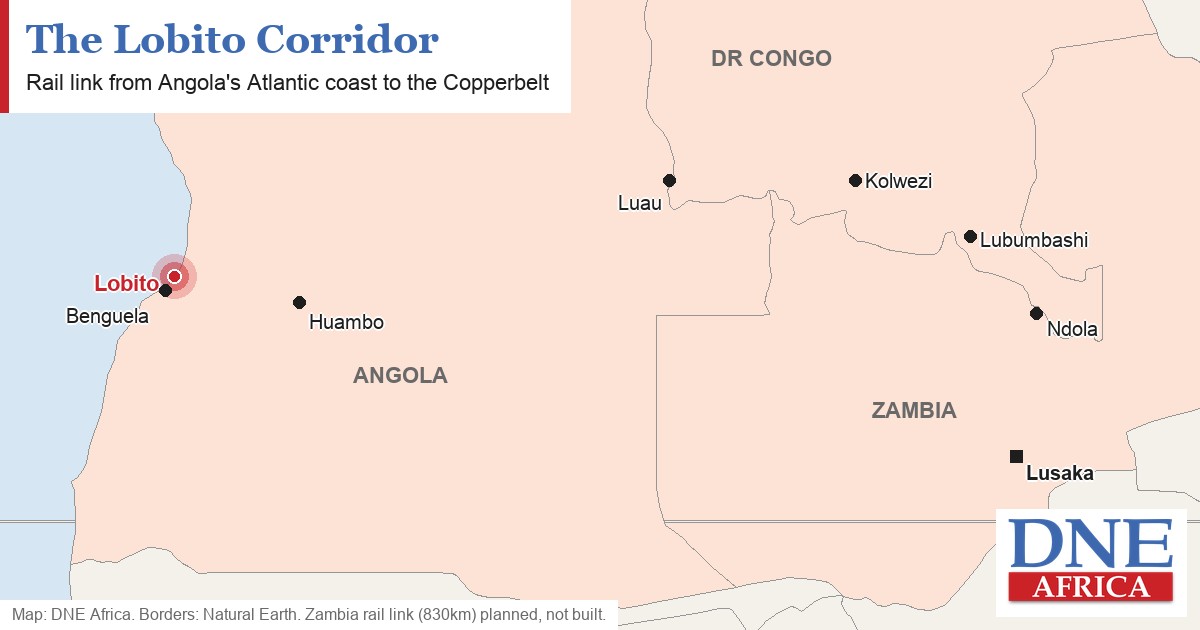
The African Narratives study, titled “The Lobito Corridor: Reshaping Africa’s Trade and Influence”, stresses that the route is far from finished. The Angolan segment, the Benguela Railway, is running and being modernised. The Congolese links still need rehabilitation. The direct line to Zambia remains under development.
In October 2026 the Africa Finance Corporation named preferred contractors for the planned 830-kilometre railway between Angola and Zambia, with contracts still to be signed, the study noted. In August the African Development Bank approved a $255mn loan and a $10mn grant for Zambia’s part of the corridor, covering railways, roads and trade facilitation.
A shorter route is not automatically cheaper, the study adds: freight rates, customs speed and regular services will decide whether shippers use the Lobito Corridor.
How much freight is the corridor carrying?
The study cites figures from the operator, Lobito Atlantic Railway. It carried about 200,000 tonnes of international freight and 65,000 tonnes of domestic cargo in 2025. Copper shipments reached a record 17,856 tonnes in July 2026, and the first cobalt cargo from the DRC arrived at Lobito the same year.
In February 2026 the DRC’s state-owned Entreprise Generale du Cobalt and the trader Trafigura agreed to ship copper and cobalt to international markets via the railway, with the first copper bound for US buyers. The author calls these volumes modest against the Lobito Corridor’s long-term ambitions.
Why do the US, Europe and China care about the Lobito Corridor?
Copper is needed to expand power grids, and cobalt goes into some batteries. The study cites an International Energy Agency estimate that announced projects could leave a gap of about 25% between copper supply and demand by 2035. Copper made up roughly 66% of Zambia’s merchandise exports in 2024, and the DRC supplies the largest share of the world’s cobalt.
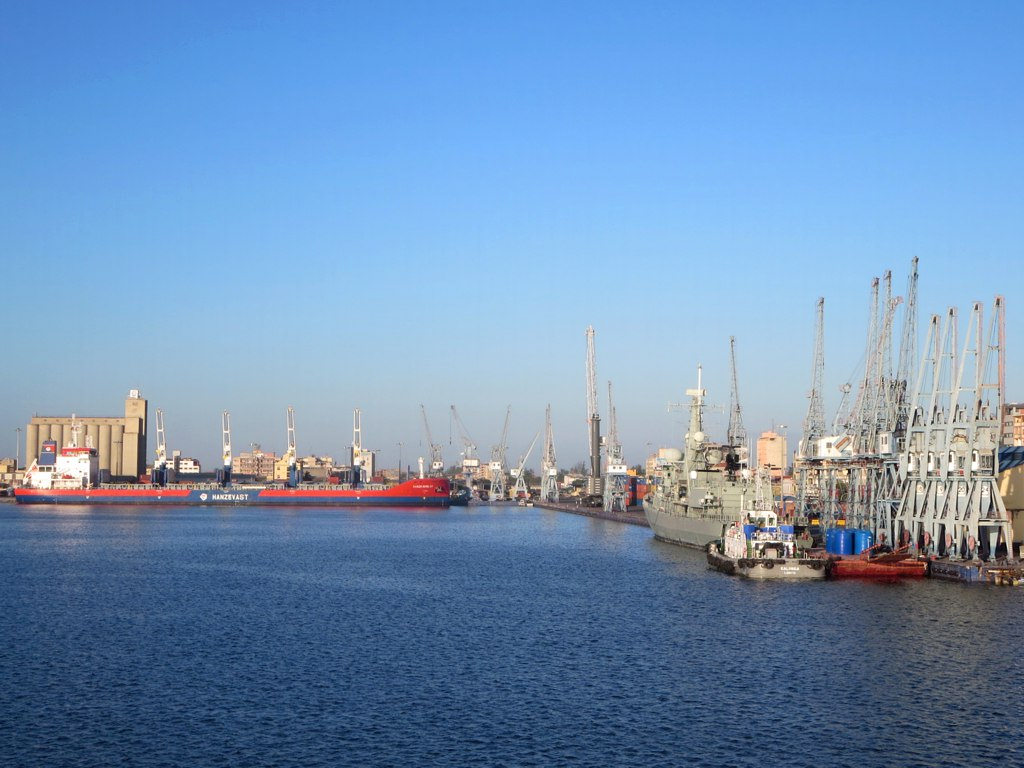
The US International Development Finance Corporation committed a loan of up to $553mn for the railway and its minerals terminal at Lobito. In December 2025 Washington and the European Commission reaffirmed support for the Lobito Corridor and discussed financing for its Congolese section, the study said.
China arrived long before. Citing US Geological Survey data, the study says Chinese companies operated or financed 15 of the DRC’s 19 cobalt mines in 2024, and offtake agreements tie much of that output to Chinese refineries. In September 2025 the Tanzania-Zambia Railway Authority signed a $1.4bn concession with a Chinese company to modernise the line to Dar es Salaam.
The author argues the two routes need not be rivals, and Chinese mining firms could use the Lobito Corridor themselves if it proves cheaper. “An alternative transport route may give buyers greater flexibility, but it does not, in itself, determine commercial contractual arrangements or export destinations,” the study said.
What should Angola, the DRC and Zambia do next?
The governments retain “considerable room to negotiate operating conditions, transit fees, and local investment commitments”, the study said. It cites the DRC’s 2025 cobalt export restrictions as proof that producers can move world markets.
It recommends a regional division of labour. Zambia and the DRC would link refining with battery components, building on the proposed cross-border special economic zone for batteries and electric vehicles. Angola would supply maritime access, logistics and packaging. The author advises starting with processed materials, intermediate parts and services before attempting full vehicle manufacturing.
The study also calls for local procurement, training for young people and women, and independent monitoring of social and environmental impacts along the Lobito Corridor.
Its most likely scenario is “gradual and uneven progress”, with freight rising on working sections while the missing links take several more years. Without cheap power, industrial zones and transparent deals, the study warns, the Lobito Corridor “may change the direction of mineral shipments more than it changes Africa’s position in the global economy”.
The route drew wide attention when then US President Joe Biden visited Lobito in December 2024; Washington has since pursued a critical minerals partnership with the DRC.
FAQ
What is the Lobito Corridor?
It is a rail and port route linking the port of Lobito on Angola’s Atlantic coast, via the Benguela Railway, to mining regions in the southern DRC, with a planned 830-kilometre extension into Zambia.
Who published the Lobito Corridor study?
African Narratives, a think tank based in N’Djamena, Chad, published it on 21 November 2026. It was written by Farouk Hussein Abu Deif.
How much cargo does the railway carry?
According to figures cited in the study, about 200,000 tonnes of international freight and 65,000 tonnes of domestic cargo in 2025, with a monthly copper record of 17,856 tonnes in July 2026.
Is the Lobito Corridor line to Zambia finished?
No. Preferred contractors were named in October 2026, but contracts had not been signed and the line was not in service, the study said.


