
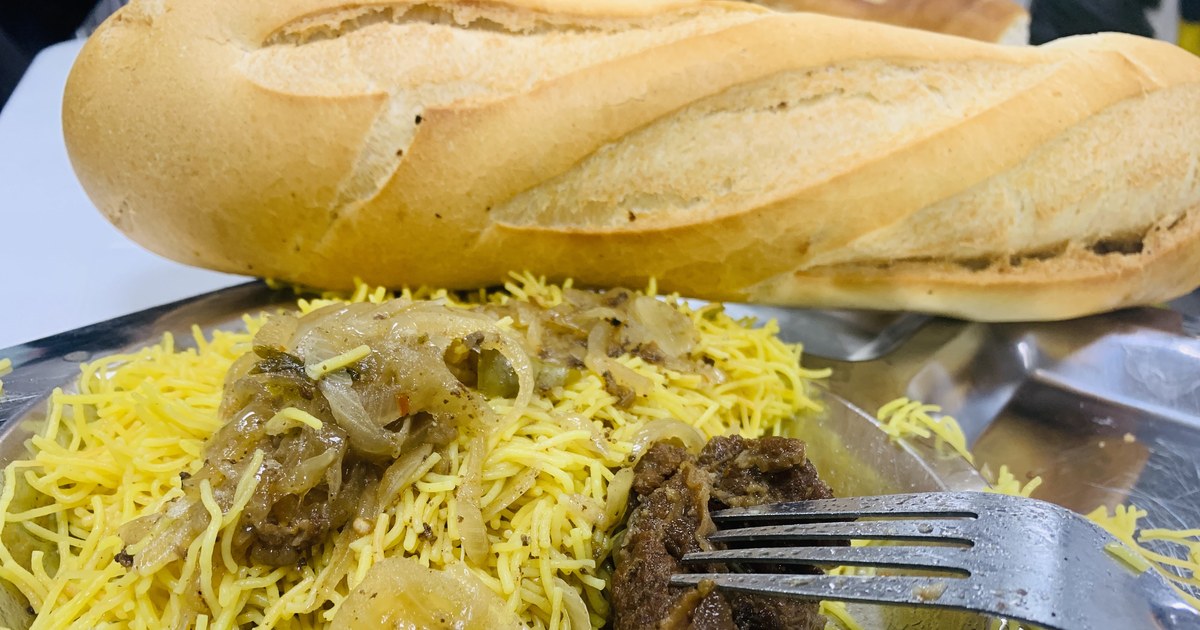

The Senegal bread strike entered its second day on Tuesday as bakery unions sought a 210 CFA franc baguette, up from 150, a price the commerce ministry called unacceptable.
The ministry has promised national talks instead. The Senegal bread strike pits household purchasing power against the costs of an industry that depends on imported wheat, at a time when the government is under pressure on public finances. Bread is a daily staple in Senegal’s cities, and the state sets its retail price.
What do the bakers want in the Senegal bread strike?
An intersyndicale of bakers’ organisations called a 72-hour halt to production on 23, 24 and 25 November in a communique dated 18 November, saying the government’s response to its demands did “not meet the legitimate expectations of the profession”, Actusen reported. It warned the stoppage could be extended if no solution is found.
The unions want the regulated 190-gram baguette to rise to 210 francs, citing the cost of flour and electricity. In October some organisations asked instead for 200 francs nationwide or a cut of at least 3,000 francs in the price of a sack of flour, plus tax relief, according to Benin Web TV. Union representatives told RFI that about 35 per cent of bakeries were closed nationwide on Monday and nearly 40 per cent in the Dakar region; those figures have not been independently verified.
Souleymane Seck, a member of the intersyndicale, said the minister had not taken the unions’ demands into account at a meeting about ten days earlier, according to RFI. The quotes are translated from French.
How has the government responded?
The Ministry of Industry and Commerce said on Monday that a “non-concerted and unilateral” rise to 210 francs was unacceptable because it would hurt household purchasing power, and sought to reassure the public that bread supplies would continue across the country, in a statement relayed by Senegalese media.
Rather than revising prices now, the ministry said it preferred a “structural approach” to cut bakers’ operating costs. It said it would study tax, customs and energy relief, “notably through the use of solar energy”, modernise production equipment, tighten hygiene rules and organise distribution through regulated sales points. These measures are to be agreed at national bakery talks, the “Assises nationales de la boulangerie”, whose date is being set with professional organisations, it said.
The current prices were fixed by a government order of 24 June 2024, which set the 190-gram loaf at 150 francs, down from 175, and a 50kg sack of type-55 flour at 15,200 francs.
Is the Senegal bread strike being followed?
The bakers are divided over the Senegal bread strike. The National Federation of Bakers of Senegal (FNBS) said on 20 November that it had neither signed nor approved the intersyndicale’s text and told its members to keep working. It has left the intersyndicale’s co-ordination group and favours the planned talks, Benin Web TV reported.
In Thies, the regional head of the commerce service, Khadim Ndiaye, said no halt in production had been seen on Monday and that bread was available through the usual channels of the region’s 116 bakeries, Seneweb reported. The local branch of the SOS Consommateur group also said the strike was not being followed there.
Why does the price of bread matter in Senegal?
Senegal grows almost no wheat and imported 982,106 tonnes of it in 2025, according to the National Agency of Statistics and Demography, so flour prices follow world grain markets and the exchange rate. The Senegal bread strike comes as the government also manages other staples: this month it halted sugar imports to protect local production, and parliament rejected the 2027 budget.
Bakers have staged a Senegal bread strike before: a 48-hour stoppage in October 2025 also turned on the regulated price. The stoppage is due to end on Wednesday; the unions have said they could extend it, and the ministry has yet to announce a date for the talks.
FAQ
Why are bakers on strike in Senegal?
Bakery unions want the regulated price of a 190-gram baguette raised from 150 to 210 CFA francs, saying flour and electricity costs have made production unprofitable.
How long will the Senegal bread strike last?
The intersyndicale called a 72-hour halt from 23 to 25 November and has warned it could be extended if no solution is found.
What has the government said?
The Ministry of Industry and Commerce called a 210-franc price unacceptable, said bread supplies would continue and announced national bakery talks to cut producers’ costs.
Is bread still available during the Senegal bread strike?
The strike is partial. The FNBS federation told members to keep working, and officials in Thies said bread remained available there on Monday.


