
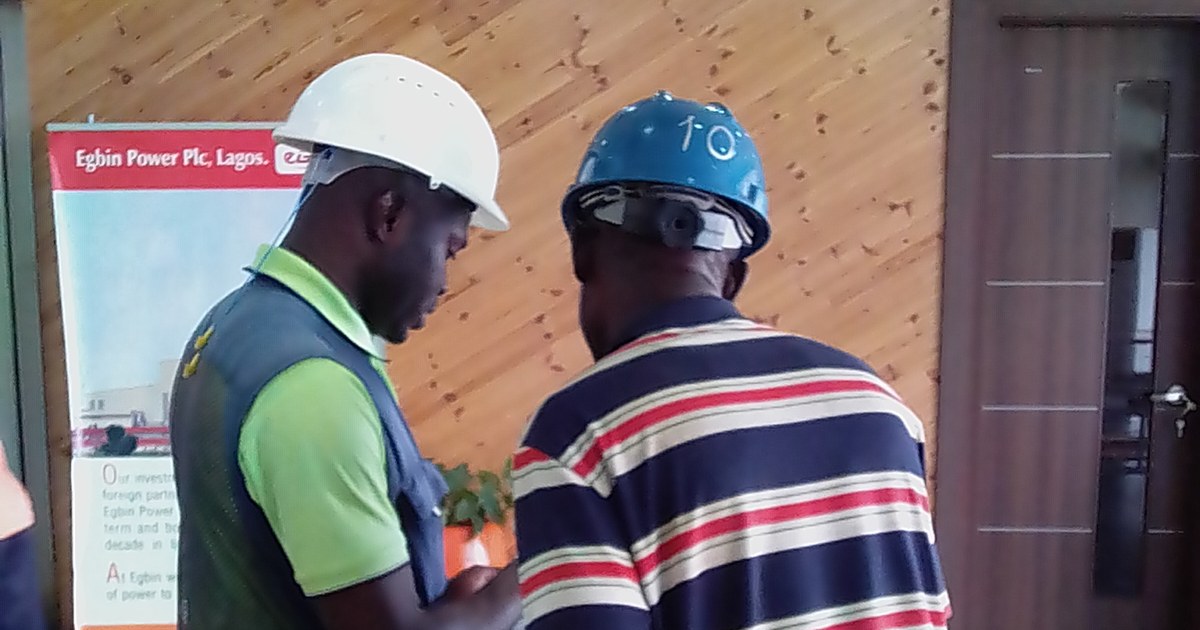

The Nigeria electricity tariff will not rise in 2027, Power Minister Joseph Tegbe said on Monday, as the government reviews its pricing model and looks for other ways to deal with debts owed to power producers.
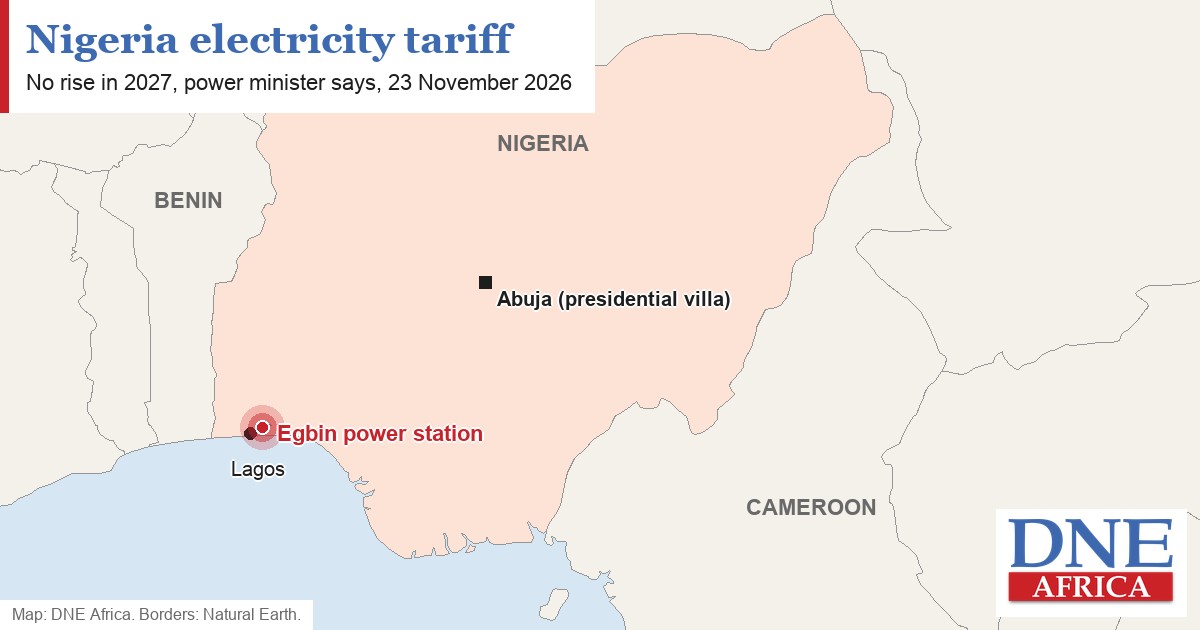
The pledge, weeks before the presidential election on January 16th 2027, comes as gas shortages and low hydropower output cause rotating blackouts, and a day after President Bola Tinubu said even the presidential villa suffers power and water cuts. Many Nigerians rely on generators, and solar panel imports into Africa have outpaced recorded installations, the IEA has said.
What did the minister say about the Nigeria electricity tariff?
“Let me make it categorically clear to Nigerians. And I’ll say it again. There’s no plan to increase tariff,” Mr Tegbe said in an interview with ARISE News on Monday, according to Punch, which reported that he ruled out an increase in 2027.
He said the ministry was looking at “assumptions that have been built into the tariff model”, some of which “may need to be revised”. He did not say which assumptions, or whether a revision could lower or raise the cost-reflective level on which the Nigeria electricity tariff is based.
The government is also considering a concessionary price for gas sold to generating companies (GenCos), he said. “People need to give GenCos gas at a particular concessionary rate that is not going to make gas suppliers go out of business,” he said, adding that his guiding principle was to “re-evaluate everything” to widen access to power. He gave a similar assurance on the Nigeria electricity tariff in September.
How much does the power sector owe?
The figures depend on who is counting. The government says it owes about N4tn in legacy obligations to GenCos for 2015-24. It has raised about N1.23tn through two bond issues to settle them, N501bn in January and N728.9bn in a second series launched in August, the chief executive of Nigerian Bulk Electricity Trading, Akin Odeyemi, said in September, according to Nairametrics.
The GenCos put the total higher. Their association said in February that sector debt had reached N6.5tn and would rise further by December, Vanguard reported. Unpaid bills have limited their ability to invest in new capacity, the NBET chief said, which is why the debt matters for any Nigeria electricity tariff decision.
What did Tinubu say about power cuts?
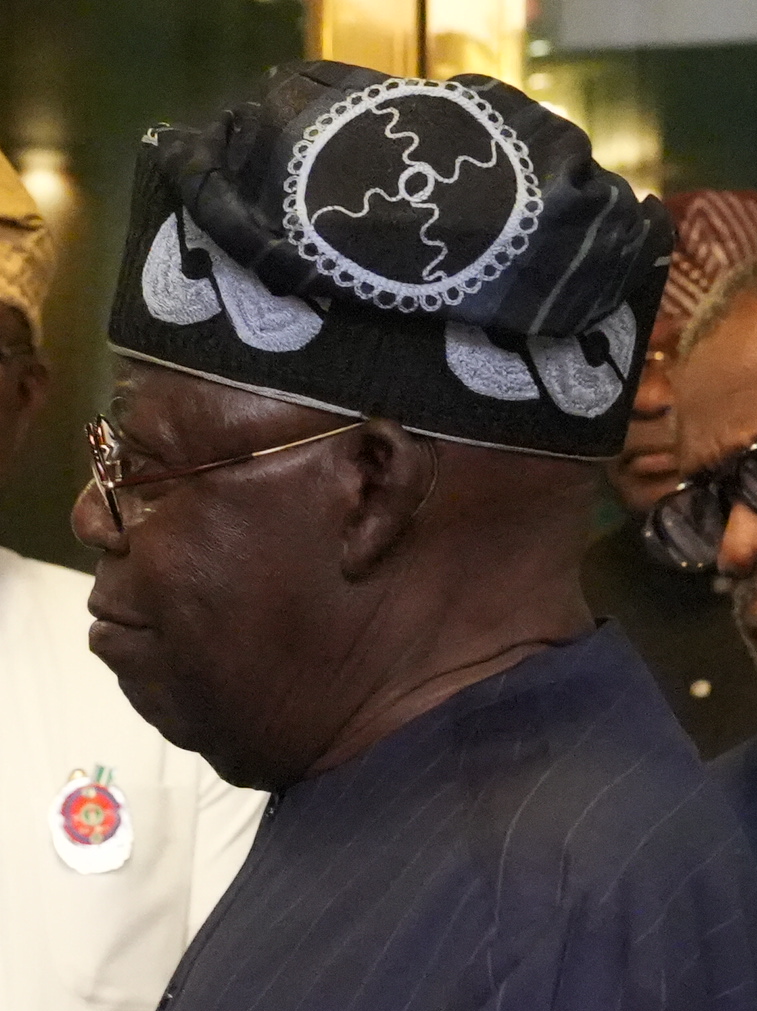
Speaking at a prayer session in Lagos on Sunday, Mr Tinubu said the water supply at the presidential villa in Abuja cut out while he was shaving last week. “No light, no water, no electricity, no development. We have just started. We can do it, and we will do it for Nigeria,” he said, the BBC reported.
Mr Tinubu promised during the 2023 campaign that Nigerians would have electricity and stop paying estimated bills. His supporters, as he campaigns on issues from power to state police, point to better supply in rural areas and a recently approved $2bn East-West transmission project; his opponents point to continuing blackouts.
Why does the Nigeria electricity tariff matter?
The tariff sets what households and businesses pay and how much the government must make up when it is below cost. In April 2024 the Nigerian Electricity Regulatory Commission (NERC) more than tripled the rate for Band A customers, who are promised at least 20 hours of supply a day, to bring it closer to cost, while keeping other bands subsidised.
Holding the Nigeria electricity tariff steady protects consumers before the election, but leaves the gap between cost and price to be covered by the state or absorbed by the GenCos. The next test is NERC’s monthly tariff orders and whether the gas pricing plan is put in writing.
FAQ
Will the Nigeria electricity tariff rise in 2027?
Power Minister Joseph Tegbe said on November 23rd 2026 that there is no plan to increase tariffs in 2027, while the tariff model’s assumptions are reviewed.
Who sets the Nigeria electricity tariff?
The Nigerian Electricity Regulatory Commission issues tariff orders for the distribution companies; some states now have their own regulators.
How much do power producers say they are owed?
The government puts legacy debts to generating companies at about N4tn and has raised N1.23tn in bonds. The GenCos’ association said in February that sector debt had reached N6.5tn.
When is Nigeria’s next presidential election?
The presidential election is due on January 16th 2027.


