
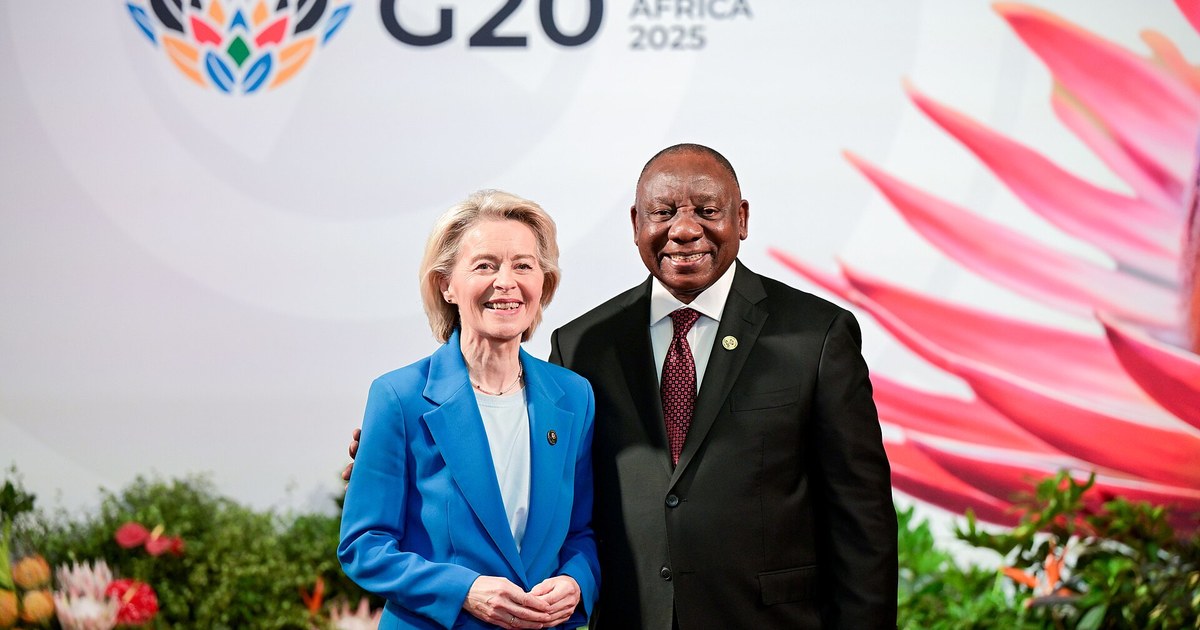

South Africa will draw up a national AI action plan within 90 days, built around four immediate priorities, President Cyril Ramaphosa said in his weekly newsletter on 23 November, after a week-long government visit to Silicon Valley.
The plan is the main concrete commitment to come out of the trip, which brought ministers, business leaders, researchers and students to US technology companies. It follows the withdrawal in April of a draft national AI policy, and Mr Ramaphosa has said he will set out its key elements in his State of the Nation Address in February.
What will South Africa’s AI action plan cover?
Mr Ramaphosa announced the plan in his closing address in San Jose on 20 November. “I have therefore decided that we must develop a concrete national AI action plan within the next 90 days,” he said. “It would be a failure of this mission if we returned with impressive presentations, valuable contacts and exciting ideas, but without a programme to translate them into practical results.”
He listed four priorities for the AI action plan:
- using AI to transform public services and improve government, with practical applications in education, healthcare, agriculture, public administration and service delivery;
- making South Africa a competitive destination for investment in AI infrastructure;
- building local AI capabilities, including access to frontier models, computing resources, data and skills for universities, researchers and start-ups;
- preparing for the risks and disruptions of AI, including cybersecurity, protection of critical infrastructure, regulatory safeguards and reskilling workers.
A small team led by the Presidency, drawing in government departments, business and academia, will run the work. “This team must not become another structure that produces reports without results. It must be a delivery mechanism,” he said. The plan will also draw on a ten-point plan presented during the visit by investor Andile Ngcaba.
In his newsletter on Monday, Mr Ramaphosa said the AI action plan would “translate the lessons learned on the visit into practical outcomes”. He added that “the development of advanced AI systems” must be “accompanied by effective safeguards, independent evaluation and appropriate governance”, and that South Africa needs legal and regulatory frameworks that encourage innovation “while protecting privacy, intellectual property, human rights and the public interest”.
How does the AI action plan fit with South Africa’s AI policy?
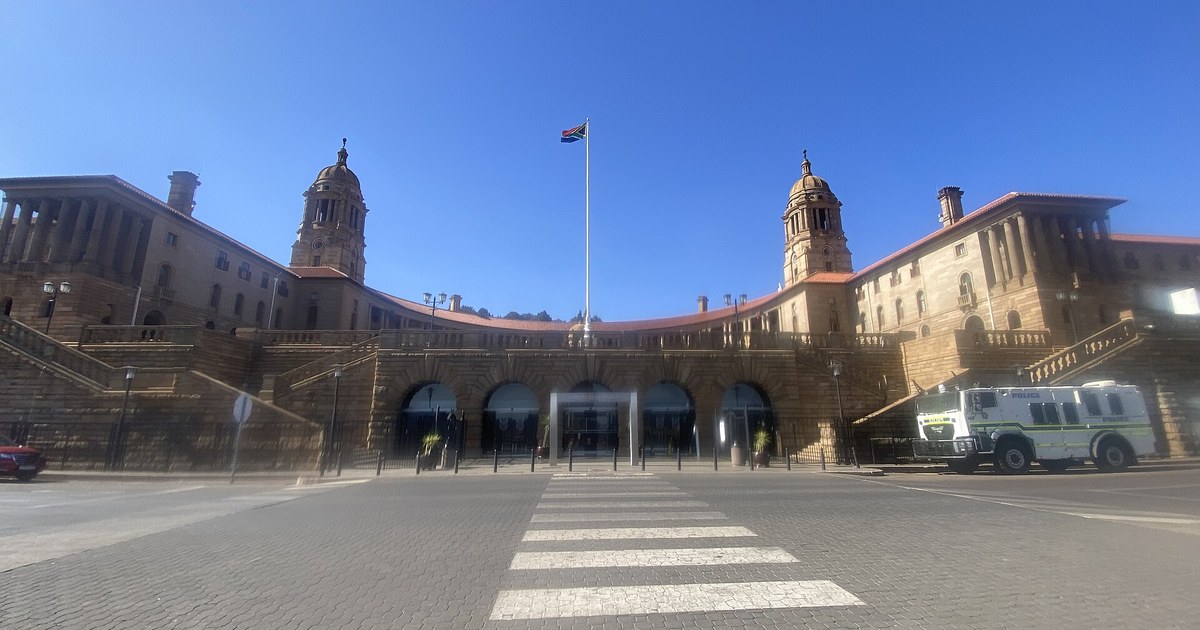
South Africa does not yet have an adopted national AI policy. A draft was published for comment in April 2026 but was withdrawn on 26 April after at least 10 per cent of the academic references in its reference list were found to be fictitious, according to an analysis by the law firm DLA Piper.
Researchers at Research ICT Africa, a Cape Town-based think tank, had argued that the earlier 2024 policy framework needed clearer implementation and integration plans and more attention to market dynamics, in an analysis published by Tech Policy Press. The 90-day AI action plan, with a Presidency-led delivery team, is meant to answer that kind of criticism.
Khumbudzo Ntshavheni, minister in the Presidency, said on 19 November that the government would not start from scratch but would align existing AI initiatives with partnerships from the visit, the state news agency SAnews reported.
What investment does South Africa want from the AI action plan?
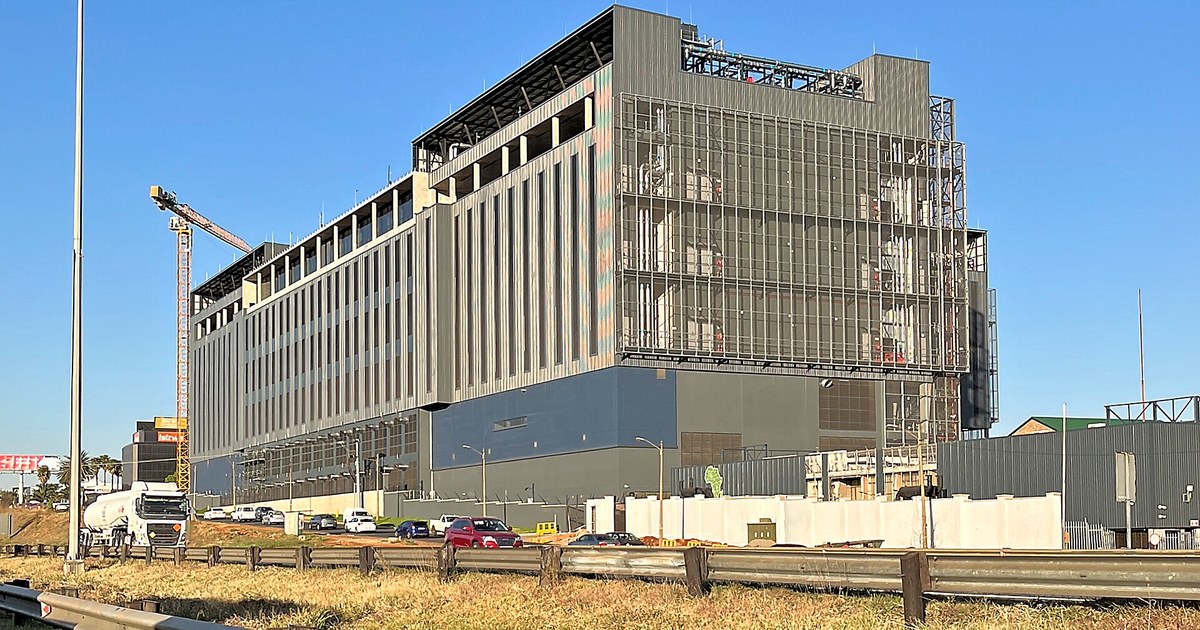
Mr Ramaphosa wants to use the country’s renewable energy capacity to attract data centres. “Our ambition should not be limited to hosting infrastructure that serves our domestic market. We should aim to become an exporter of computing services,” he said in San Jose.
During the visit Mr Ngcaba pledged a quarter of a proposed R100mn ($5.7mn) AI start-up fund, and Mr Ramaphosa said he was encouraged by commitments towards a new investment fund for high-technology start-ups. The pitch to US cloud companies has been clouded by a US threat of a data centre tax, given without details.
The delegation included 30 students from universities and technical and vocational colleges, as well as start-up founders, Mr Ramaphosa said in the newsletter. They visited Cisco, Palo Alto Networks and Google, and events at Sacramento State University.
What happens next?
The Presidency team is due to produce the AI action plan within 90 days of the delegation’s return, which would put it close to the State of the Nation Address in February 2027. No budget, targets or membership for the team have been published. TechCentral has noted that Mr Ramaphosa’s record on similar deadlines is mixed.
FAQ
What is South Africa’s AI action plan?
It is a national plan President Cyril Ramaphosa has ordered within 90 days, after his November 2026 visit to Silicon Valley. It will set four immediate priorities for how South Africa uses and invests in artificial intelligence.
What are the four priorities of the AI action plan?
Using AI in public services, attracting investment in AI infrastructure such as data centres, building local AI skills and capabilities, and preparing for the risks of AI, including cybersecurity and regulation.
Does South Africa have a national AI policy?
Not yet. A draft national AI policy was withdrawn in April 2026 after fictitious references were found in it, according to DLA Piper. The 2024 policy framework remains a framework, not adopted policy.
When will the AI action plan be published?
Mr Ramaphosa said it should be ready within 90 days and that he will set out its key elements in the State of the Nation Address in February 2027.


