
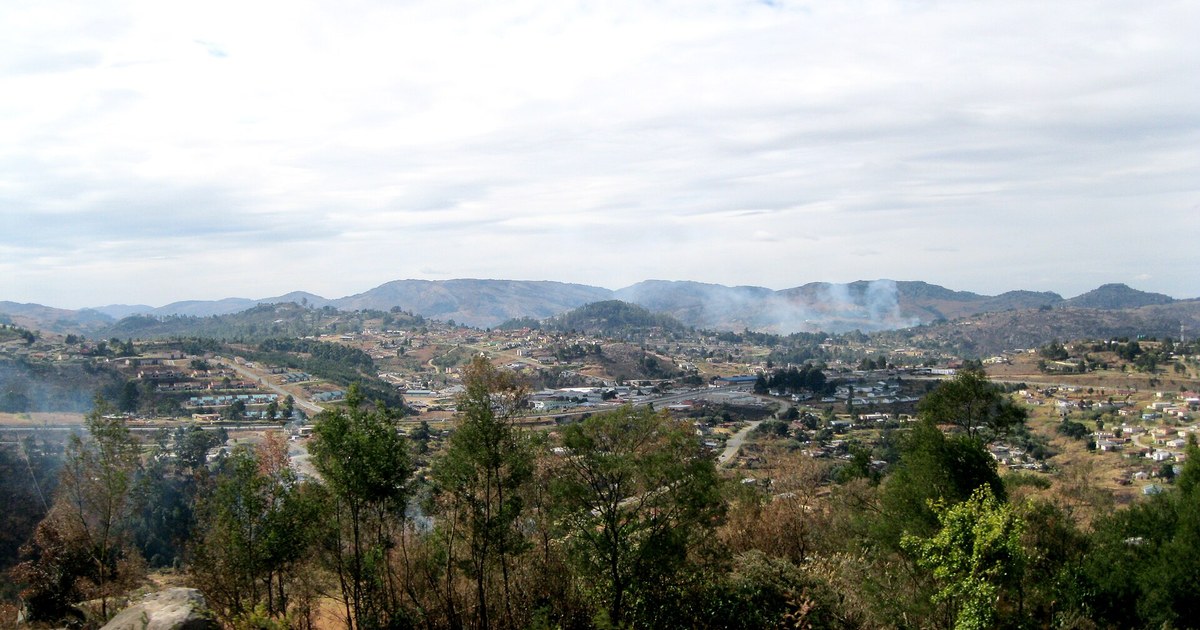

Britain forcibly resettled a Sri Lankan refugee with convictions for sexual assault in Eswatini under a UK Eswatini deal that was not disclosed to the UK Parliament or to the local community, the BBC reported on Wednesday.
Migration experts told the broadcaster it was the first known case of the UK government permanently resettling a refugee overseas in this way, as Britain looks for third countries to take people it cannot return home.
What did the BBC report about the UK Eswatini deal?
The man, Kishanth Peramalya, 35, had been held for years on Diego Garcia, a British-run island in the Indian Ocean, according to the BBC investigation. The BBC said it had obtained a copy of the draft agreement between the two governments, under which the UK would pay the “reasonable costs” of his accommodation, healthcare and other support for up to three years.
The governments were finalising plans for him to live in Eswatini permanently when he took his own life on 13 September, the BBC reported. He had a history of severe mental illness. His family told the BBC he had been placed alone in an isolated guesthouse and that his mental health worsened there.
The draft document did not give a total cost or explain how risks would be managed, the broadcaster said.
How did the refugee end up in Eswatini?
The Royal Navy rescued Mr Peramalya in 2021 with dozens of other Sri Lankan Tamils trying to sail from India to Canada. The island’s authorities recognised them as refugees who could not safely go home, but they were kept in a camp on Diego Garcia for three years. A court later ruled that detention unlawful.
In December 2024 most of the group were allowed into Britain. Ministers refused to admit Mr Peramalya because of his convictions, which included four counts of sexual assault. Court papers seen by the BBC show the UK approached more than 20 countries without success.
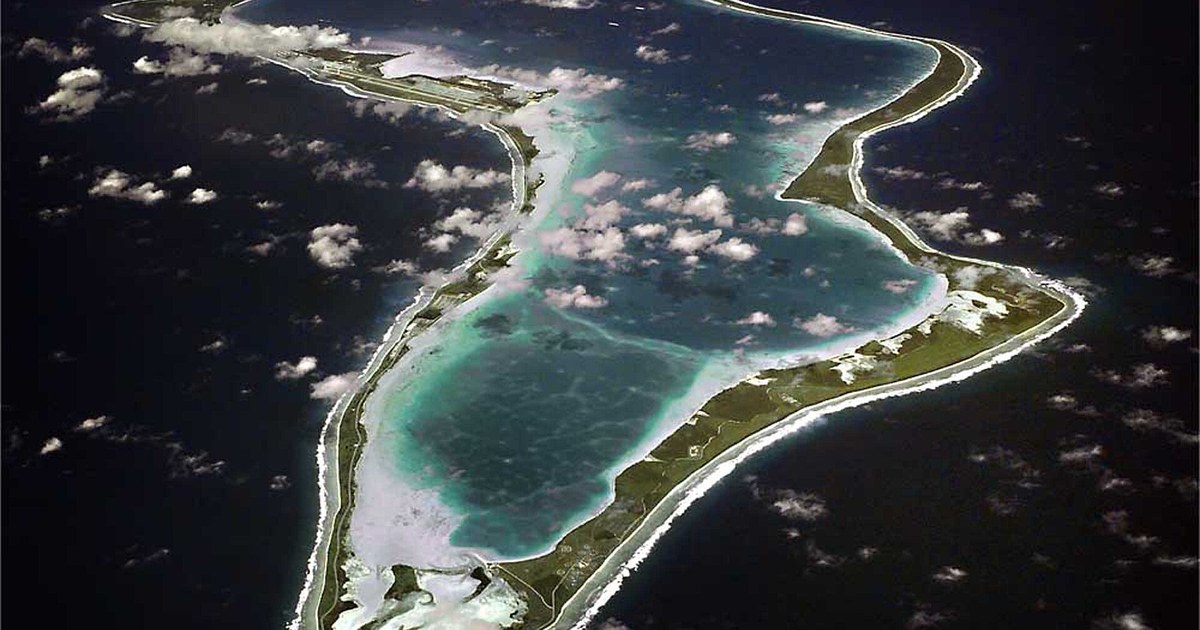
After the US began using its base on Diego Garcia in the war with Iran in February 2026 and non-essential personnel were withdrawn, the Maldives took him for 30 days at the end of March. He was then sent on to Eswatini, the BBC said.
What have the governments said?
Neither government answered the BBC’s questions on the circumstances of the resettlement. A UK government spokesperson said: “Keeping the British public safe will always be our first priority”, adding that this included steps to ensure “high-harm foreign criminals cannot enter the UK”. The UK said it continues to work with the Eswatini authorities on the case. Eswatini’s government has not commented publicly.
The UN refugee agency said refugees may in some circumstances be lawfully transferred to a third country, but only with specific safeguards “fulfilled in practice”. The UN special rapporteur on the human rights of migrants, Gehad Madi, has urged governments to publish the terms of such arrangements and put them under parliamentary scrutiny, according to the UN human rights office.
Why does the UK Eswatini deal matter for Africa?
Eswatini had already agreed to take people deported by the US under President Donald Trump’s third-country programme; the US paid the kingdom $5.1mn in 2025 to accept up to 160 people, the BBC reported. Other African states, including Liberia and South Sudan, have also taken US deportees, while Burkina Faso refused.
Critics in Eswatini told the BBC the country was being used as a “dumping ground”. Melusi Simelane of the Southern African Litigation Centre, which is challenging the US arrangement in court, said the health system could not cope with people who need a lot of support. Last week five EU countries agreed a deal to send rejected asylum seekers to Rwanda, the BBC noted.
The UK Eswatini deal is likely to draw questions in Parliament in London, where Labour scrapped the previous government’s Rwanda plan in 2024 but now seeks third-country return deals for failed asylum seekers.
FAQ
What is the UK Eswatini deal?
According to the BBC, it is a draft agreement under which Eswatini would host a Sri Lankan refugee permanently, with Britain paying his costs for up to three years. It was not disclosed to Parliament.
Who was resettled under the UK Eswatini deal?
Kishanth Peramalya, a 35-year-old Tamil refugee with convictions for sexual assault, who had been held on Diego Garcia. He died in Eswatini in September 2026.
Has Eswatini taken other deportees?
Yes. It agreed in 2025 to accept up to 160 people deported by the US, which paid it $5.1mn, the BBC reported.
What did the UK government say?
A spokesperson said keeping the British public safe was its first priority, including keeping high-harm foreign criminals out of the UK.


