
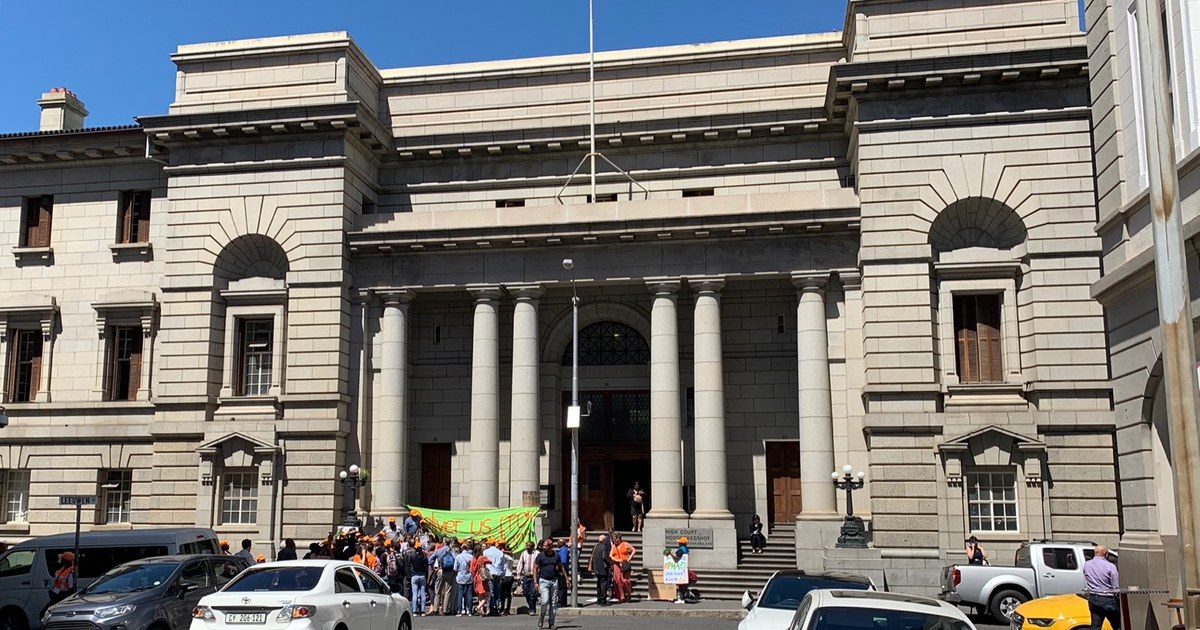

In Africa news today, South Africa’s Western Cape High Court set aside the Phala Phala panel report on President Cyril Ramaphosa on Wednesday, removing the basis of Parliament’s impeachment inquiry as it stood.
The unanimous ruling is Mr Ramaphosa’s biggest legal win over the 2020 theft of foreign currency from his farm. Also in Africa news today: Libyan officers died after a drone strike in Benghazi, Sudan rejected Ethiopia’s offer to host talks, and Somalia and Mozambique made cabinet decisions.
In brief
- South Africa: three judges set aside the 2022 Phala Phala report and the National Assembly’s steps based on it, IOL and The Citizen reported from the court.
- Libya: two naval officers wounded in Sunday’s drone attack on a Russian warship in Benghazi died on Tuesday evening, the Libyan National Army (LNA) said.
- Sudan: the government rejected Ethiopia’s offer to host a Sudanese dialogue, saying Addis Ababa lacks neutrality, as drone strikes killed at least 14 people in Damazin and Roseires, local outlets reported.
- Somalia: the cabinet approved closed-list elections and a 10% vote threshold for national parties, according to a government statement.
- Mozambique: the Council of Ministers approved the concession of Quelimane port under a public-private partnership, the government said.
What did South Africa’s court rule on the Phala Phala report?
Judge President Nolwazi Mabindla-Boqwana, sitting with Judges Mark Sher and Ncumisa Mayosi, declared unlawful both the report by the independent panel chaired by former Chief Justice Sandile Ngcobo and any steps the National Assembly took because of it, according to the summary read in court as reported by IOL and The Citizen.
The court found the panel “went beyond its lawful remit” and made material errors of law, and that it never found sufficient evidence of a serious violation, only a prima facie case to answer. The judges also said the president should not escape the process, which must “proceed on a lawful foundation”.
Why it matters: removal of a president under section 89 of the Constitution needs a two-thirds vote. Parliament’s impeachment committee, set up after the Constitutional Court ruled in May that the Assembly’s 2022 vote was unlawful, now has no valid report to work from. No response from the Presidency or Parliament had been published by mid-morning. Our full report on the ruling explains what comes next.
What happened at Libya’s Benghazi naval base?
Two Libyan naval officers wounded in Sunday’s attack on a Russian navy corvette docked at the Benghazi Naval Base died on Tuesday evening, the LNA said in a statement late on Tuesday, reported by AP via Arab News and Asharq Al-Awsat. The LNA’s General Command, led by Khalifa Haftar, said it would respond “at the appropriate time and place, and by the appropriate means”.
Ukraine’s President Volodymyr Zelenskyy has said his forces used seven drones in the operation. Two LNA-affiliated officials told AP that sea drones were launched from a base used by Ukrainian forces in western Libya. That claim could not be independently verified, and DNE Africa found no response to it from the Tripoli-based Government of National Unity.
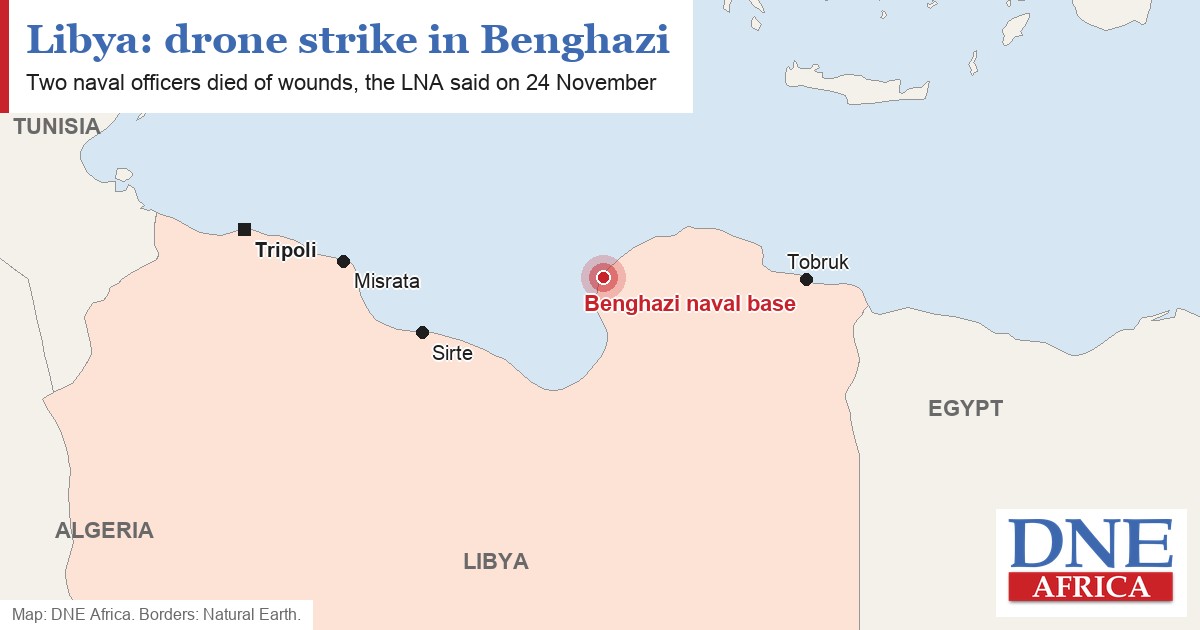
Why it matters: in Africa news today, the deaths bring Libyan casualties into the Russia-Ukraine war, in a country split between rival administrations. The eastern-based House of Representatives had said Libya reserved the right to respond (our earlier report; latest).
Why did Sudan reject Ethiopia’s offer to host talks?
Sudan’s government said it “categorically” rejected Prime Minister Abiy Ahmed’s offer to host an inclusive Sudanese dialogue in Addis Ababa, in a statement carried by the state Sudan News Agency (SUNA) on Wednesday and reported in Arabic by Sudan Tribune and Al-Ahram. It said Ethiopia lacks the neutrality required, accusing it of supporting the Rapid Support Forces (RSF) militia and of allowing drones to be launched from its territory, and asked the African Union to exclude Ethiopia from hosting or facilitating talks. The accusations are Sudan’s; Ethiopia has rejected similar claims before, and had not responded to the statement by publication.
Hours earlier, drones struck Damazin and Roseires in Blue Nile state on Tuesday evening. Radio Dabanga reported in Arabic that 15 people were killed and 15 injured, and Darfur24 put the civilian toll at 14, including members of three families in Damazin’s Al-Saliha district. A local civil society group blamed the RSF militia and the SPLM-North, which have not commented. The governor imposed a night curfew, Dabanga reported. The tolls could not be independently verified.
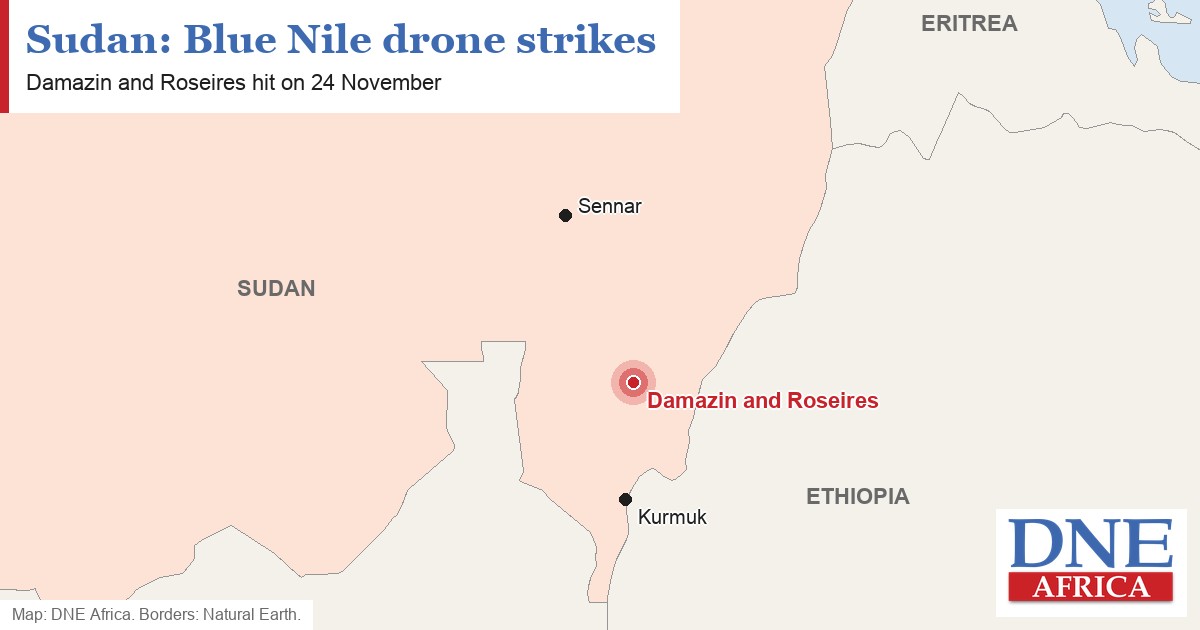
Why it matters: in Africa news today from Sudan, the rejection, a day after Abiy made his offer, closes one route to talks as fighting moves towards the Ethiopian border. Our Sudan war explainer sets out the background.
What did Somalia’s cabinet change in the election laws?
Somalia’s Council of Ministers, in an extraordinary session chaired by Prime Minister Hamza Abdi Barre on Tuesday, approved amendments to 23 articles of the national electoral law and eight of the political parties law, according to a government statement reported in English by Hiiraan Online. The changes introduce closed-list elections, a 10% threshold for national parties, and direct election of councils, state assemblies and both houses of parliament, which would choose the president. The bills go to parliament.
Why it matters: the rules shape the planned move to direct elections, which the opposition and the Puntland and Jubaland administrations dispute (our earlier report); they had not reacted by Wednesday morning.
What did Mozambique decide on Quelimane port?
Mozambique’s Council of Ministers approved the terms for a concession of Quelimane port in Zambezia province to a company formed by the state ports and rail firm CFM and partners, under a public-private partnership to design, finance, build and operate the port before returning it to the state, the government said in Portuguese on Wednesday. It also approved a Dondo logistics terminal concession and talks on an oil terminal and refinery at Beira. It gave no investment value or partners’ names.
Why it matters: Mozambique relies on imported fuel and on ports that serve landlocked neighbours, and President Daniel Chapo’s government is pushing investment in the centre and north (our earlier report).
What to watch in Africa news today
- Kenya: President William Ruto receives Germany’s President Frank-Walter Steinmeier at State House, Nairobi, for talks and a joint press appearance, according to the German presidency’s programme.
- Liberia: President Joseph Boakai is due to sign a $5.7bn infrastructure agreement with Bea Mountain Mining Corporation for 270 megawatts of power and a 146km road, before it goes to the legislature for ratification, FrontPage Africa reported. The Liberia Council of Churches has urged lawmakers not to ratify the current version.
FAQ
What is the top Africa news today?
South Africa’s Western Cape High Court set aside the Phala Phala panel report on President Cyril Ramaphosa, removing the basis of Parliament’s impeachment inquiry as it stood. The judges said any process must proceed on a lawful foundation.
Does the Phala Phala ruling end the impeachment process?
Not necessarily. The court set aside the panel report and the steps based on it, but said the president should not escape the process. Parliament has not yet said how it will proceed.
Why did Sudan reject Ethiopia as a host for talks?
Sudan’s government said Ethiopia lacks neutrality, accusing it of supporting the RSF militia and of allowing drones to be launched from its territory. Ethiopia has rejected similar accusations before.
Where can I follow Africa news today?
DNE Africa publishes Africa news today every morning, with the continent’s top stories from the last 12 hours.


