
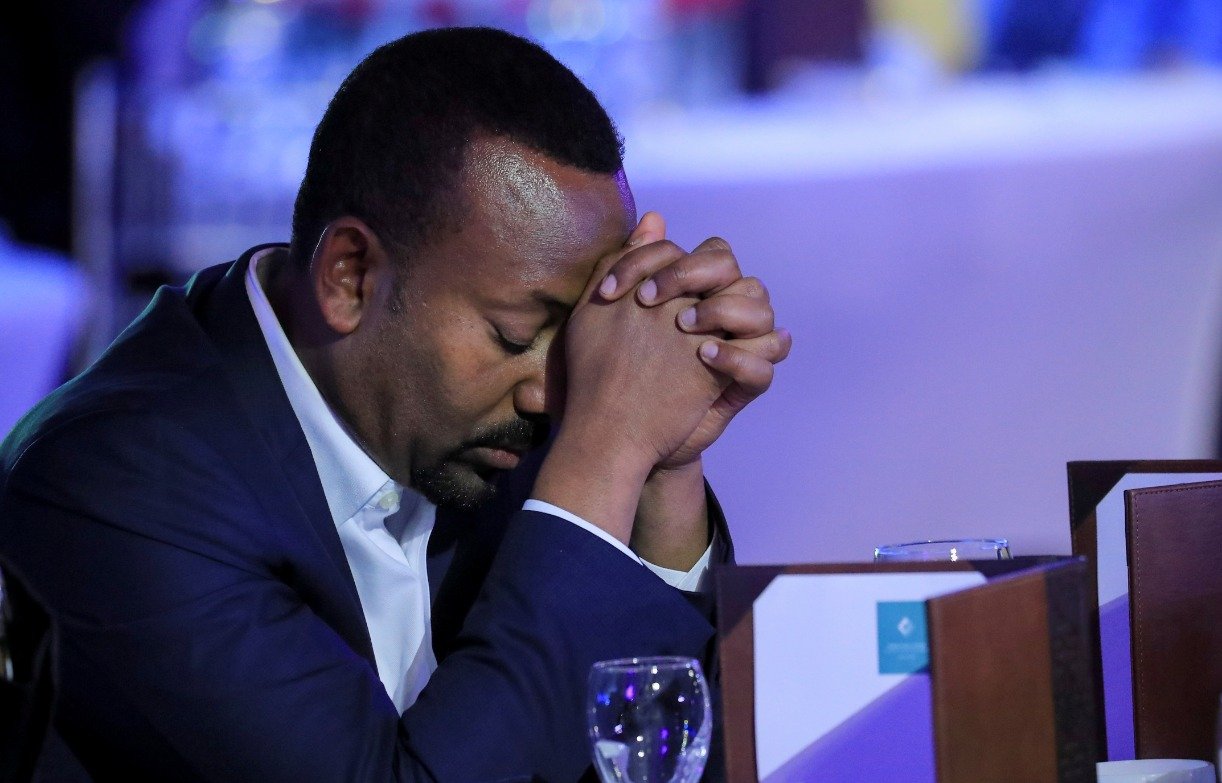

On December 8, 2024, Ethiopian Prime Minister Abiy Ahmed took to the stage in Arba Minch to deliver a politically charged speech on “Nations and Nationalities Day.” The annual celebration, now in its 19th edition, is designed to emphasize Ethiopia’s multi-ethnic identity and its political system of ethnic federalism. However, what should have been a day of reflection on Ethiopia’s rich diversity and unity turned into a stark contrast between Abiy’s calls for peace and the government’s continued violations of human rights and military aggression across the nation.
Despite Abiy’s fervent calls for reconciliation, his government’s actions remain at odds with his message, with widespread reports of continued violence, including drone strikes targeting civilians, and the military’s operations against rebel groups in the Amhara and Oromia regions. These developments point to a government increasingly engaged in military solutions rather than a true commitment to peace. This disconnect between Abiy’s rhetoric and the government’s actions not only undermines the peace process but has exacerbated the suffering of civilians, making the possibility of a peaceful and unified Ethiopia ever more distant.
The Paradox of Ethiopia’s Ethnic Federalism
Ethiopia’s federal system, established under the 1995 constitution, is built around the recognition of ethnic groups as the primary basis for administrative divisions. This ethnic federalism is meant to ensure representation and autonomy for the country’s diverse communities. However, this system has also fostered division, competition, and instability. Under Abiy’s leadership, the country has struggled to find a balance between promoting unity and respecting the cultural and political rights of its many ethnic groups.
The celebration of “Nations and Nationalities Day” is rooted in the idea that diversity is the foundation of Ethiopia’s unity. Yet, despite the slogans calling for unity in diversity, the reality of Ethiopia’s political landscape tells a different story. Abiy’s administration has struggled to manage the tensions inherent in a system that prioritizes ethnicity in governance. Ethnic federalism has often been seen as a catalyst for division rather than cohesion. Critics argue that the system, while intended to empower Ethiopia’s various groups, has fostered violence, political fragmentation, and regional instability.
Abiy’s speech, which emphasized the importance of diversity as the country’s strength, rang hollow to many who view the government’s approach to ethnic federalism as a driver of conflict. While he praised the holiday as an opportunity to celebrate Ethiopia’s multi-ethnic identity, his government’s actions have only deepened existing ethnic divisions, particularly with ongoing violence in the Amhara and Oromia regions. These are regions where ethnic militias, including Fano in Amhara and the Oromo Liberation Army (OLA), have clashed with the government forces in a battle for autonomy and political control.
Abiy’s Call for Peace Amid Continuing Violence
In his address, Abiy specifically appealed to the rebel groups in the Amhara and Oromia regions, encouraging them to follow the example of the faction of the Oromo Liberation Army (OLA) that had recently signed a peace deal with the government. He asked those involved in the conflict to put down their weapons and choose peace, framing the peace deal as a success in resolving the tensions in Oromia.
However, the reality surrounding the peace deal is far more complicated. While one faction of the OLA may have agreed to peace terms, other factions dismissed the agreement as politically motivated, accusing the government of signing peace deals with expelled members to legitimize the process. These factions claim the peace deal was orchestrated by the government to create a veneer of stability, rather than a genuine step toward resolving the deep-rooted grievances that fuel the conflict. Many view the deal as little more than a tool to silence dissent and to secure Abiy’s political position rather than an actual effort to bring peace to the region.
In stark contrast to his speech, Abiy has also been vocal about the government’s military capabilities, stating just a week earlier that rebel groups could never defeat the government, even if they fought for a thousand years. This combative rhetoric clashes with his calls for reconciliation and negotiations, presenting a contradictory stance that raises questions about his commitment to peace. His words of peace seem increasingly out of step with the government’s actions, including ongoing military operations, crackdowns, and the increasingly harsh treatment of civilians in the affected areas.
Military Operations and Drone Strikes: A Deepening Crisis
While Abiy has urged peace and unity, the government’s military actions have led to further escalation of violence, especially in the Amhara and Oromia regions. The government has launched several military offensives to disarm rebel groups, particularly Fano militias in Amhara, and to suppress the Oromo Liberation Front (OLF) in Oromia. These military operations, rather than bringing peace, have only fueled the conflict, with rebel forces consolidating their control in many areas.
Most troubling are the reports of intensified drone strikes, which have targeted civilian infrastructure in the Amhara region. These strikes, reportedly carried out by the Ethiopian military, have targeted homes, schools, health centers, and other civilian structures. The strikes have resulted in significant casualties, including women, children, and elderly civilians, further deepening the humanitarian crisis in the region. In one particularly tragic incident this week in Dawunt, North Wollo, a drone strike targeted a civilian truck, killing 50 people.
The Ethiopian Human Rights Commission has acknowledged these reports and is investigating the government’s actions, but the continued use of aerial strikes raises serious concerns about the government’s respect for international law and its commitment to protecting civilian lives. These actions directly contradict the calls for peace and unity that Abiy has been making in public speeches.
A Nation at a Crossroads
As Ethiopia continues to struggle with these internal conflicts, it is clear that the country is at a crossroads. Abiy Ahmed, once lauded for his efforts to bring peace to the Horn of Africa, is now facing significant challenges at home. The country’s internal conflicts, particularly in the Amhara and Oromia regions, have escalated into full-scale military confrontations, and the government’s heavy-handed approach to these crises is not bringing the lasting peace that Abiy once promised.
The government’s actions, including military operations, drone strikes, and the continued targeting of civilians, undermine the credibility of Abiy’s calls for peace. His rhetoric, which appeals to national unity and reconciliation, contrasts sharply with the harsh reality on the ground, where violence continues to plague regions of the country. The government’s actions suggest that it is more invested in suppressing opposition and maintaining control than in seeking a genuine resolution to the conflicts.
Despite the government’s claims that it is fighting to preserve the unity of the nation, its approach is only perpetuating division and violence. The Ethiopian people, caught in the crossfire of government offensives and rebel attacks, continue to suffer. Abiy’s calls for peace ring increasingly hollow as long as the government’s military operations and drone strikes continue to harm innocent civilians.
Ethiopia stands at a critical juncture in its history. For true peace to take root, the government must change course, prioritize dialogue over military force, and take meaningful steps to address the root causes of the conflict. Until then, the promises of unity and reconciliation will remain just that—empty words, drowned out by the sounds of ongoing violence and suffering.


