


Biometric identity systems spreading across Africa carry real risks in who controls them, not in a mass trade in citizens’ fingerprints and iris scans, an African Narratives study published on 27 November found.
The study, by political economy researcher Abd-El Rahman Atef Abuzaid of the Chad-based think tank, matters because banks, welfare schemes and elections in Ghana, Nigeria, Ethiopia and Kenya now depend on a single scan. It argues that for biometric identity, contracts, regulators and fallback options will decide whether those systems serve citizens.
What does the study say about biometric identity in Africa?
The African Narratives study, titled “Who Controls the Digital Body of Africa? The Race for Fingerprints, Faces and Iris Data”, found little evidence for the popular claim of a general trade in Africans’ biological data. The strongest documented business in biometric identity, it said, lies in supplying systems and charging for verification.
It separates three questions that public debate often blurs: personal data rights, control of software, and responsibility for decisions about services. Buying a foreign system does not by itself mean a foreign company owns a population’s biometric records, the author wrote. The analysis draws mainly on official legal and institutional documents available by 14 November 2026.
The study starts from the need. It cites the World Bank’s 2025 identification dataset, which estimates that around 800mn people worldwide lacked official identification in 2024, more than half of them in sub-Saharan Africa. Exclusion, it notes, can exist long before any scanner arrives.
How far has biometric identity spread in banks and public services?
The study gives dated figures on biometric identity from official sources. In Ethiopia, a May 2026 World Bank report recorded more than 39mn registrations on the Fayda digital ID as of March 2026, with over 100 public and private institutions connected, from banks to tax authorities and exam boards. The World Bank approved $350mn for the Fayda project in December 2023, including a $50mn grant for host communities and refugees.
In Nigeria, an October 2026 World Bank restructuring paper recorded about 121mn National Identification Numbers by 30 September 2026, against a target of 180mn, with some targets for systems and authentication still unmet. The study links that expansion to social assistance and health insurance; DNE Africa has reported on a legal challenge over Nigeria’s INEC voter register.
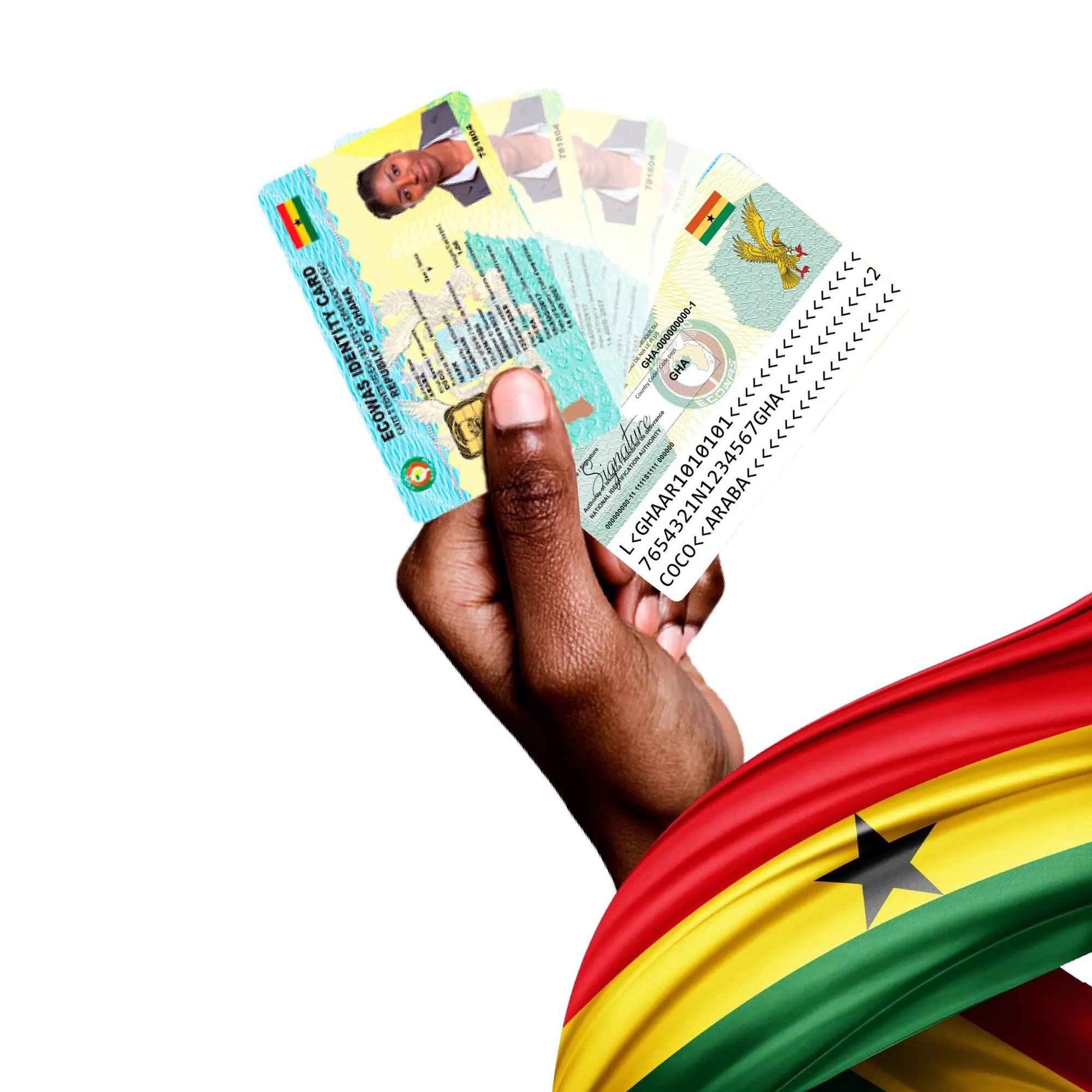
Ghana shows biometric identity becoming a condition of access to money. A Bank of Ghana notice of 12 November 2025 kept the Ghana Card as the sole identification for financial transactions and required biometric verification of customers. In July 2026 the National Identification Authority said amended regulations in force since 9 June required organisations to move to biometric verification and declared visual inspection of the card insufficient.
What did Kenya’s Worldcoin case show about consent?
The study treats Kenya’s dispute with Worldcoin, which linked iris scans to cryptocurrency tokens, as a test of consent. Kenya’s data regulator found that tokens were offered only to people who agreed to biometric processing, that this inducement affected their freedom of choice, and that consent was invalid.
On 5 May 2025 Kenya’s High Court barred collection through the project’s Orb device without a lawful impact assessment, or on consent induced by cryptocurrency, and ordered the unlawfully obtained data erased within seven days. The study cites an Internet Governance Forum case study reporting that the regulator confirmed the deletion in January 2026. The company has said its newer design keeps biometric images on users’ phones; the author notes this is the company’s own account and cannot make earlier collection lawful.
What risks does the study see for elections and supplier dependence?
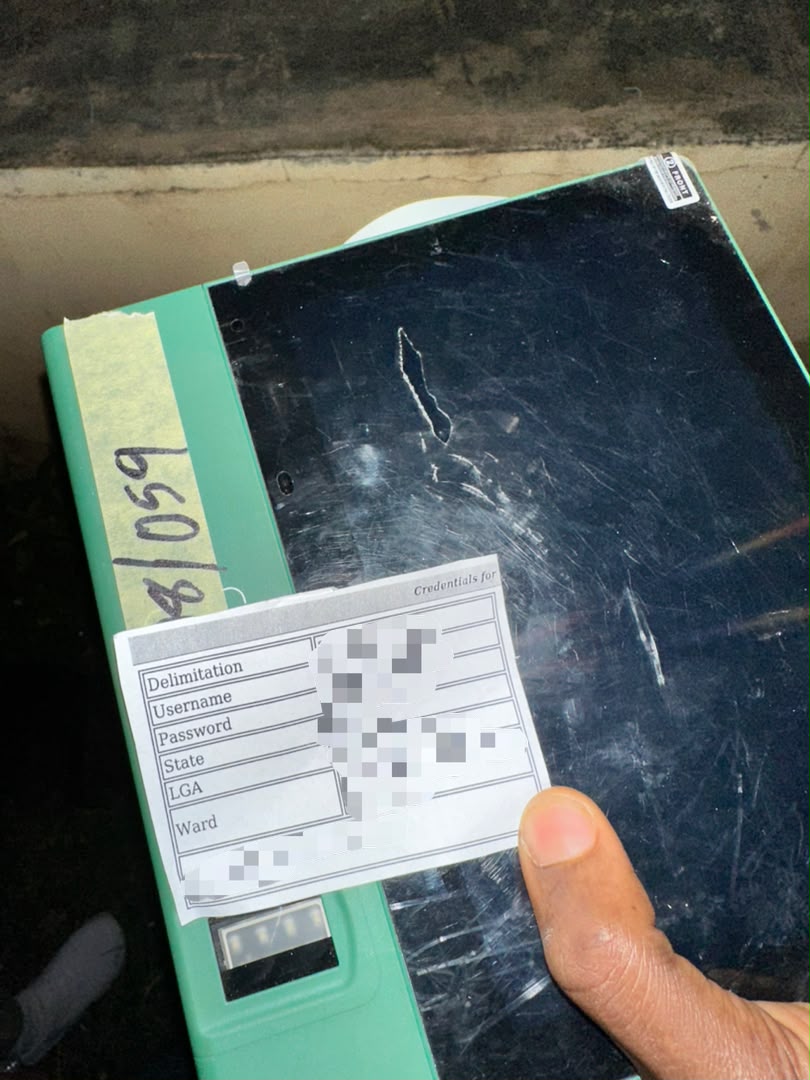
On elections, the study stresses that a fingerprint used to confirm a voter is separate from electronic voting. It cites the African Union observer mission’s account of Ghana’s 2024 vote, with a register of about 18.77mn voters, roughly 18.64mn of them with biometric data. Nigeria’s electoral commission describes its Bimodal Voter Accreditation System as combining fingerprints with facial recognition.
The subtler danger for biometric identity, the study argues, is dependence on suppliers. It cites IDEMIA’s April 2024 announcement of an upgrade to Nigeria’s system designed for 250mn records, and World Bank guidance that some stored templates are tied to particular algorithms and are hard to move to a new provider. The practical test of sovereignty, the author wrote, is whether an agency can keep services running and replace a contractor on reasonable terms. Keeping servers inside the country is only part of the answer.
Matching can also fail for reasons unrelated to eligibility, the study notes, citing World Bank findings on manual workers, older people and children. A fingerprint cannot be changed like a password, so unnecessary collection creates lasting risk.
What does the study recommend?
It proposes four safeguards for biometric identity systems: contracts that define what each supplier may handle and how records move to a new provider; designs that expose as little data as possible in routine checks; a workable route when a scan fails, including human review and an independent regulator able to act against public and private bodies; and judging systems by public outcomes, such as time taken to fix errors, rather than registration totals.
It points to the African Union’s Interoperability Framework for Digital ID, which rejects a single continental database in favour of trusted national credentials that disclose only what each transaction needs. The study is the think tank’s second this month after its work on the Lobito Corridor; it has also studied elections in Ethiopia and Cabo Verde.
FAQ
Who published the study on biometric identity in Africa?
African Narratives, a think tank based in N’Djamena, Chad, published it on 27 November 2026. The author is political economy researcher Abd-El Rahman Atef Abuzaid.
Are Africans’ biometric records being sold abroad?
The study found no evidence for a general trade in Africans’ biometric identity data. It located the documented business in system contracts and verification fees.
What is the main risk of biometric identity systems, according to the study?
The study says the main risks are suppliers that become hard to replace, agencies with too much access, and people unable to challenge errors that block essential services.
What did Kenya’s High Court decide on Worldcoin?
On 5 May 2025 it barred biometric collection through the Orb without a lawful impact assessment or on crypto-induced consent, and ordered unlawfully obtained data erased within seven days.


