
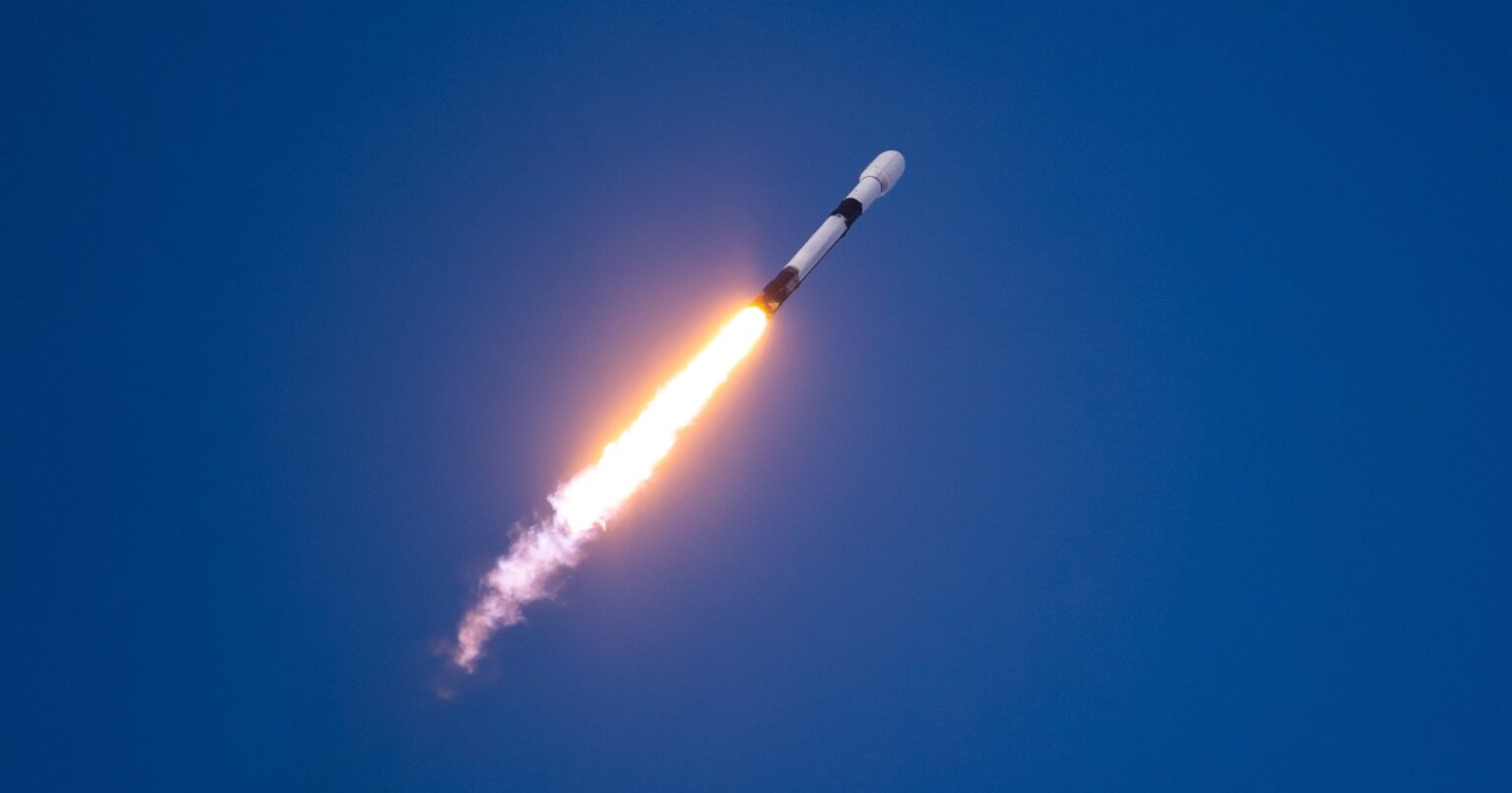

The US Federal Communications Commission on 25 November granted SpaceX conditional approval for Starmind, a constellation of up to 1mn satellites designed as orbital data centres for artificial intelligence, the first such SpaceX FCC approval in US history.
The decision gives Elon Musk’s rocket company a licence for computing in space on a scale far beyond any existing satellite network, though the FCC made no finding that orbital data centres can work technically or pay their way.
What did the SpaceX FCC approval allow?
The Space Bureau order, numbered DA 26-1273, was “granted in part, deferred in part” with conditions. It authorises 1mn satellites in orbital shells between 500km and 1,002km, in 30-degree and sun-synchronous inclinations.
Under the SpaceX FCC approval, the satellites will mainly talk to one another and to SpaceX’s Starlink network by laser. The FCC allowed radio links in the Ka-band only as a backup for control and emergency use, on a non-interference basis, according to the order.
“This action opens a bold new frontier for the computing infrastructure needed to power America’s leadership and growth,” FCC chairman Brendan Carr said in a statement. Musk thanked Carr on X, writing that it “will be a great asset to America and the world”.
What conditions come with the SpaceX FCC approval?
SpaceX must put its first Starmind satellite into operation by 25 November 2033 and complete the constellation by 25 November 2040, or the authorisation lapses. The 15-year licence term starts only when the first satellite is working in orbit.
The FCC deferred SpaceX’s request to waive the rule that satellites ending their missions below 2,000km must re-enter the atmosphere within five years. SpaceX wants the option to move retired satellites above 600km into disposal orbits or orbits around the sun. It must file a final debris plan before deploying any satellite above 600km, the order said, and report twice a year.
Who objected to the Starmind constellation?
Amazon’s satellite unit Kuiper, Viasat and the American Astronomical Society filed petitions to deny the application, raising collision risk, congestion, interference and harm to astronomy. Amazon called the plan a “lofty ambition rather than a real plan”, TechCrunch reported.
In granting the SpaceX FCC approval, the Space Bureau said SpaceX’s commitments answered the debris concerns for satellites below 600km. It dismissed concerns about optical astronomy and the environment as outside its authority, and said its rules set no cap on the number of satellites it may license. The FCC said it was reviewing other orbital data centre proposals.
Why does the SpaceX FCC approval matter beyond the US?
Beyond the SpaceX FCC approval itself, SpaceX argues that solar-powered computing in orbit avoids the power and grid limits that constrain data centres on Earth. That claim is untested: the company still has to cut the cost of building and launching satellites, cool chips in space and finance hardware bound for orbit.
Starmind would sit alongside Starlink, which sells internet access in more than 20 African countries and is moving into mobile coverage, such as the Starlink deal with Botswana’s BTC. Spectrum for satellite systems is shared globally through the ITU, where African states hold 13 council seats, so how the frequencies and orbits of very large constellations are coordinated matters to African regulators too.
The race for AI computing has drawn heavy investment, including the $15bn raised by China’s DeepSeek.
FAQ
What is Starmind?
Starmind is SpaceX’s planned constellation of up to 1mn satellites that would act as data centres in orbit, processing AI workloads and sending results to Earth.
When must SpaceX launch Starmind satellites?
Under the SpaceX FCC approval, the first satellite must be operating by 25 November 2033 and the full constellation by 25 November 2040.
Did the FCC approve SpaceX’s debris plan?
Only for satellites below 600km. Its request to dispose of higher satellites without atmospheric re-entry was deferred until SpaceX files more information.
Who opposed the plan?
Amazon’s Kuiper, Viasat and the American Astronomical Society petitioned the FCC to deny it.


