

The United States is seeking stronger regional coordination with Egypt and Libya on economic cooperation, conflict resolution and maritime security, as Washington steps up diplomatic engagement across the region, according to a report by The Diplomatic Insight.
The report, published on Nov. 20, said US Senior Adviser for Arab and African Affairs Massad Boulos met Libyan Minister of Economy and Trade Souhel Bousheha on Thursday to discuss bilateral economic cooperation, the development of Libya’s energy sector and closer relations.
Libyan Prime Minister Abdul Hamid Dbeibeh and National Oil Corporation Chairman Masoud Suleiman also attended the meeting, The Diplomatic Insight reported.
The meeting coincided with Boulos’s talks with Egyptian Foreign Minister Badr Abdelatty in Washington, where the two officials discussed developments in Libya and Sudan, as well as regional security issues.
According to Egypt’s Foreign Ministry, Abdelatty reaffirmed Cairo’s support for efforts to resolve Libya’s political crisis, preserve the country’s unity and stability, and unify its institutions. The discussions also covered the Sudanese crisis and the importance of reaching a humanitarian truce and a comprehensive ceasefire, followed by a political process led and owned by the Sudanese people.
The two sides also addressed developments in the Horn of Africa and Red Sea security, underscoring the importance of respecting states’ sovereignty and territorial integrity, the ministry said.
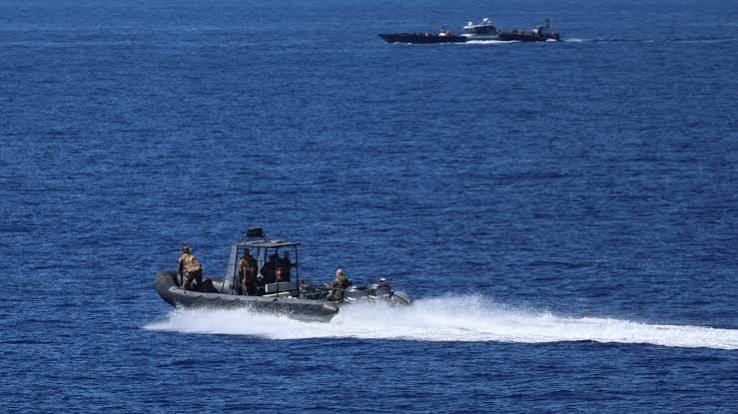
The Diplomatic Insight said closer cooperation among regional countries could help strengthen security around the Red Sea and protect key maritime routes, particularly the Bab el-Mandeb Strait and the Suez Canal, which are vital to international trade.
The publication argued that progress towards peace in Sudan and greater stability in Yemen would contribute to a more secure maritime environment, while reducing risks to shipping and regional trade.
The Red Sea is a major international shipping corridor linking the Mediterranean Sea and the Indian Ocean through the Suez Canal and Bab el-Mandeb Strait. Instability along this route can have wider implications for global supply chains and trade flows.
The report suggested that Washington’s engagement with Egypt and Libya reflects its interest in building stronger regional partnerships to support stability and safeguard maritime trade.


