
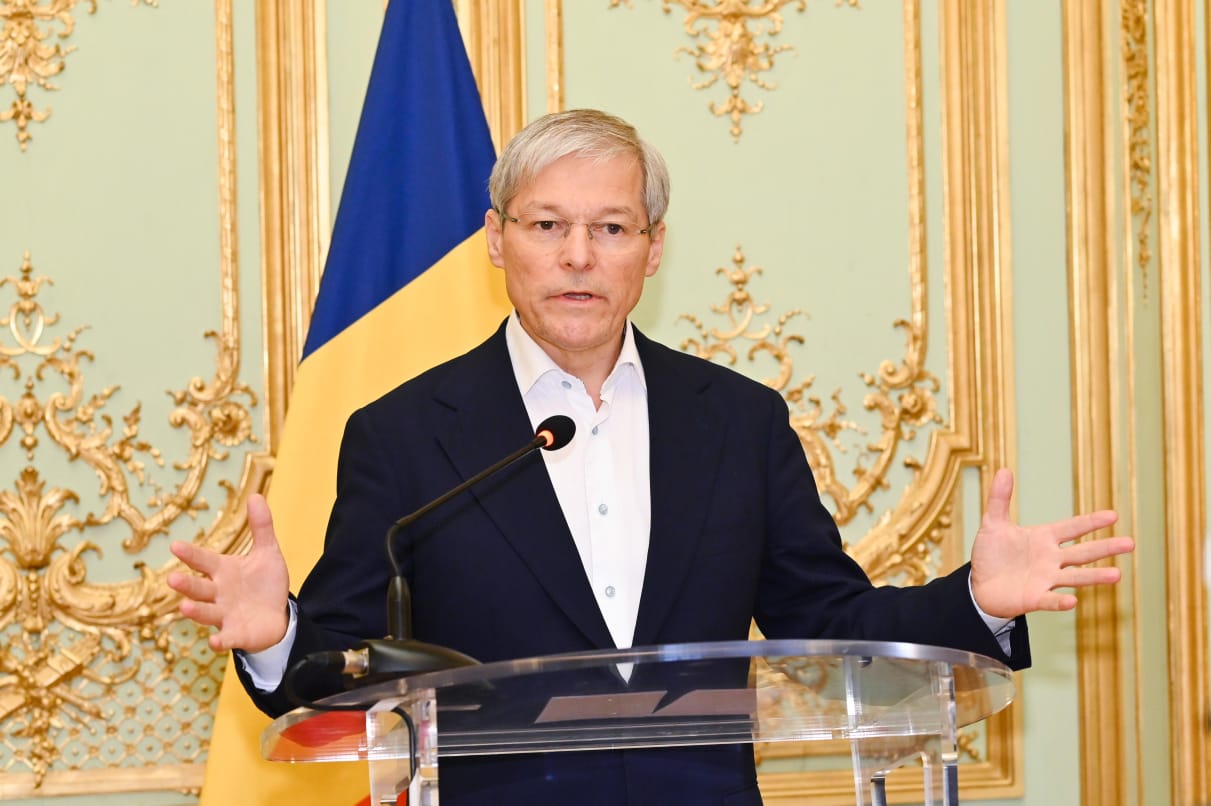

Dacian Cioloș, Romania’s candidate for secretary-general of the International Organisation of La Francophonie (OIF), has announced an academic programme under which Romanian universities will offer up to 1,709 scholarships to young Africans from the 2027-28 academic year.
The former Romanian prime minister unveiled the programme at a press conference in Paris on 11 November, before leaving for the Francophonie summit in Phnom Penh on 15 and 16 November, where member states will elect the organisation’s next leader.
The scheme is the result of co-operation between Romania’s National Council of Rectors and the African Union Commission, which began after talks Cioloș held with AU representatives in the first half of the year. It adds to scholarship programmes for foreign students already funded by the Romanian state.
“The future of La Francophonie is built through the concrete opportunities we offer young people,” Cioloș said, describing the scheme as an example of moving “from political dialogue to co-operation on the ground”. Romania had a long tradition of training African students, he added.
How it will work
The Romania-African Union academic mobility programme will offer bachelor’s, master’s and doctoral places at 26 Romanian universities, in fields including science, technology, agriculture, medicine, climate change and the green and digital transitions. The scholarships will be funded from the participating universities’ own resources.
The African Union Commission will carry out the initial selection of candidates, with Romanian universities making the final choice. The programme aims for balanced geographical representation across AU member states and equal opportunities for women and men.
It will run under a memorandum of understanding between the National Council of Rectors and the AU Commission for an initial five years, with the option of extending it. The council will also offer 100 further scholarships to French-speaking countries in south-east Asia, the Caribbean and Oceania.
A crowded race
Cioloș is the only non-African among four candidates for the OIF’s top job. He faces Rwanda’s Louise Mushikiwabo, who has led the organisation since 2018 and is seeking a third term, Coumba Bâ of Mauritania and Juliana Amato Lumumba of the Democratic Republic of Congo. The secretary-general will be elected by the heads of state and government of the OIF’s 53 full members for a four-year term from 2027 to 2030.


