
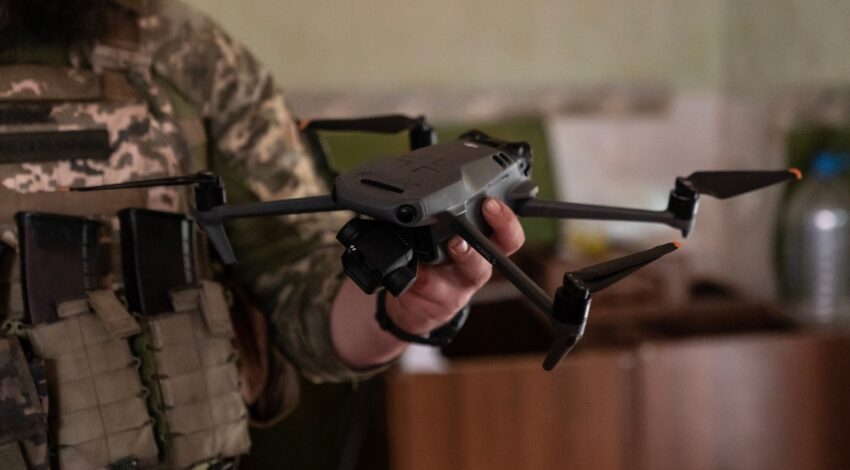

In the wake of growing instability across the Sahel region, governments in Mali, Burkina Faso, and Niger have significantly ramped up their use of air power to combat jihadist insurgencies and rebellious forces. These nations have increasingly relied on advanced drone technology, with Turkish Bayraktar TB-2 drones and Russian military aircraft becoming key instruments in their aerial strategies.
According to a Le Monde report, the authorities in Burkina Faso have taken the initiative to bolster their air capabilities, creating a highly secretive base near the southern outskirts of the capital, Ouagadougou. This base, which houses nearly a dozen Turkish-made drones, has been operational since late 2022. The drones, particularly the Bayraktar TB-2, have proven crucial in intelligence-gathering and precision strikes, enabling Burkinabe forces to target and dismantle jihadist groups and rebel strongholds.
Mali has also turned to these unmanned aerial vehicles (UAVs) as a primary tool to assert control over areas previously held by insurgents. Drones have been pivotal in Mali’s 2023 victory in regaining control of Kidal from Tuareg rebels, which the government heralded as a major triumph. According to Mali’s military officials, these airstrikes have not only enhanced operational efficiency but have also provided the armed forces with crucial intelligence, boosting their efforts against insurgents and stabilizing contested territories.
However, while the drones have brought tactical advantages, they have also sparked significant controversy due to their association with civilian casualties. According to a tally conducted by Le Monde, 42 of the 269 aerial strikes executed in the Sahel region in 2024 were reported to have struck civilian targets, including markets, homes, and medical facilities. In particular, an attack on the town of Tin Zawatine in late August, which resulted in the deaths of 15 people—11 of them children—has raised alarm. These repeated incidents of collateral damage have sparked protests and criticisms from humanitarian organizations, who argue that the use of drones without sufficient safeguards endangers innocent lives.
Despite these issues, drone warfare has become an essential element in the military strategies of Sahelian countries, and their armed forces continue to promote the successes of these technologies in national media. Drone strikes have become a symbol of modernity and strength for the ruling military juntas, with national television broadcasts regularly showcasing the deployment and effectiveness of these high-tech weapons as a demonstration of military prowess.
The Sahel’s jihadist groups, however, have quickly adapted to the threat posed by drones. Initially, these groups were caught off-guard by the sudden onslaught of aerial surveillance and attacks, but over time, they have developed countermeasures, including the use of electronic warfare and the strategic relocation of their assets to evade drone strikes. This has rendered the battlefield more complex and dynamic, as insurgent groups seek to exploit weaknesses in the drone-based surveillance systems.
Meanwhile, in a dramatic development, Tuareg rebel groups have also begun deploying their own drones, reportedly with assistance from Ukrainian military intelligence. This new aerial capability has added a further layer of complexity to the ongoing conflict in the region, as these groups now possess the means to challenge the dominance of the military drones deployed by Sahel governments. Rebel leaders have claimed that their drones have successfully targeted military bases in northern Mali, forcing government forces to adopt more cautious strategies.
The increasing reliance on aerial strikes, coupled with the involvement of foreign military partners like Turkey and Russia, has drastically transformed the security landscape of the Sahel. What began as a land-based insurgency has now evolved into a multidimensional aerial conflict, where drones play a crucial role in both offensive operations and counterinsurgency efforts.
The future of the Sahel conflict remains uncertain, as these governments continue to invest heavily in drone technologies and aerial combat capabilities. With insurgents adapting to the new aerial realities, and the specter of civilian casualties looming large, it remains to be seen whether air superiority alone can bring lasting stability to the region or whether it will continue to fuel further escalation in an already volatile environment. As the skies over the Sahel fill with drones, both military and civilian populations are left to reckon with the high cost of this new age of warfare.


