

Syphilis is one of the world’s oldest known infections — and also one of the easiest to diagnose and treat. Yet across sub-Saharan Africa, it continues to quietly harm thousands of women and newborns every year.
A new study published in the journal BMC Public Health reveals why many pregnant women in Uganda are still not getting tested or treated in time, despite the availability of antenatal health services.
The researchers argue that the problem is not simply medical. It is deeply shaped by poverty, stigma, gender expectations, and the everyday realities women face inside the healthcare system.
Syphilis, a sexually transmitted infection, can be cured with a simple dose of penicillin.
But when left untreated during pregnancy, it can cause miscarriage, stillbirth, premature birth, or severe complications in newborns.
The study highlights that adverse pregnancy outcomes may occur in up to 60% of untreated cases, making syphilis one of the most preventable yet persistent threats to maternal health. Africa carries the largest burden globally, accounting for more than half of maternal syphilis cases worldwide, as well as the majority of congenital infections passed from mother to child.
To understand why testing rates remain low, a team of Ugandan and international researchers spoke directly with women. They conducted focus group discussions with 82 pregnant women in two districts — Wakiso and Hoima.
The study’s title reflects what many women expressed: marriage does not necessarily protect women from infection. Several participants said they were surprised by the idea that syphilis could still be a risk within a relationship, especially when faithfulness is assumed but not always guaranteed.
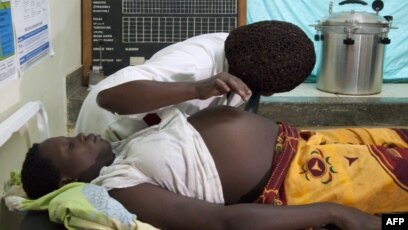
Although antenatal care services are officially available, women described clinics as stressful and difficult to access. Some reported long waiting times, overcrowding, and disrespectful treatment from healthcare workers.
While services are supposed to be free, women explained that informal fees and transportation expenses often make visits unaffordable.
For those already struggling financially, attending a clinic can mean asking a husband for money — which sometimes leads to conflict, or even domestic violence. In such conditions, some women said they preferred to avoid clinics altogether. Even when women reach health facilities, treatment itself can become another barrier.
Syphilis is commonly treated through painful penicillin injections, which many participants feared. Some women also said they worried about being judged or shamed, particularly because syphilis is sexually transmitted.
The stigma surrounding infection can discourage women from seeking care early, or from disclosing concerns. Facing these barriers, many pregnant women reported relying instead on traditional birth attendants. They described them as more compassionate, more affordable, and easier to reach than government facilities.
Traditional attendants, the study suggests, remain an important part of maternal care in many Ugandan communities — even though they are often excluded from official health strategies. Researchers argue that working with them, rather than ignoring their role, could help expand screening and awareness.
The study also found widespread misunderstanding about syphilis. While most women knew it could be sexually transmitted, some believed infection could spread through toilets or could be inherited genetically.
Others considered syphilis less serious than HIV because it is “curable,” which reduced the urgency of testing. These misconceptions, researchers warn, can delay diagnosis until pregnancy complications occur.
The researchers conclude that eliminating congenital syphilis will require far more than medical supplies. They recommend removing clinic barriers, improving respectful care, expanding community awareness, and involving trusted local health networks.
Syphilis may be easy to cure — but for many women, the path to treatment is not. As the study makes clear, preventing maternal infection depends not only on medicine, but on whether women feel supported, respected, and able to access care without fear.


