
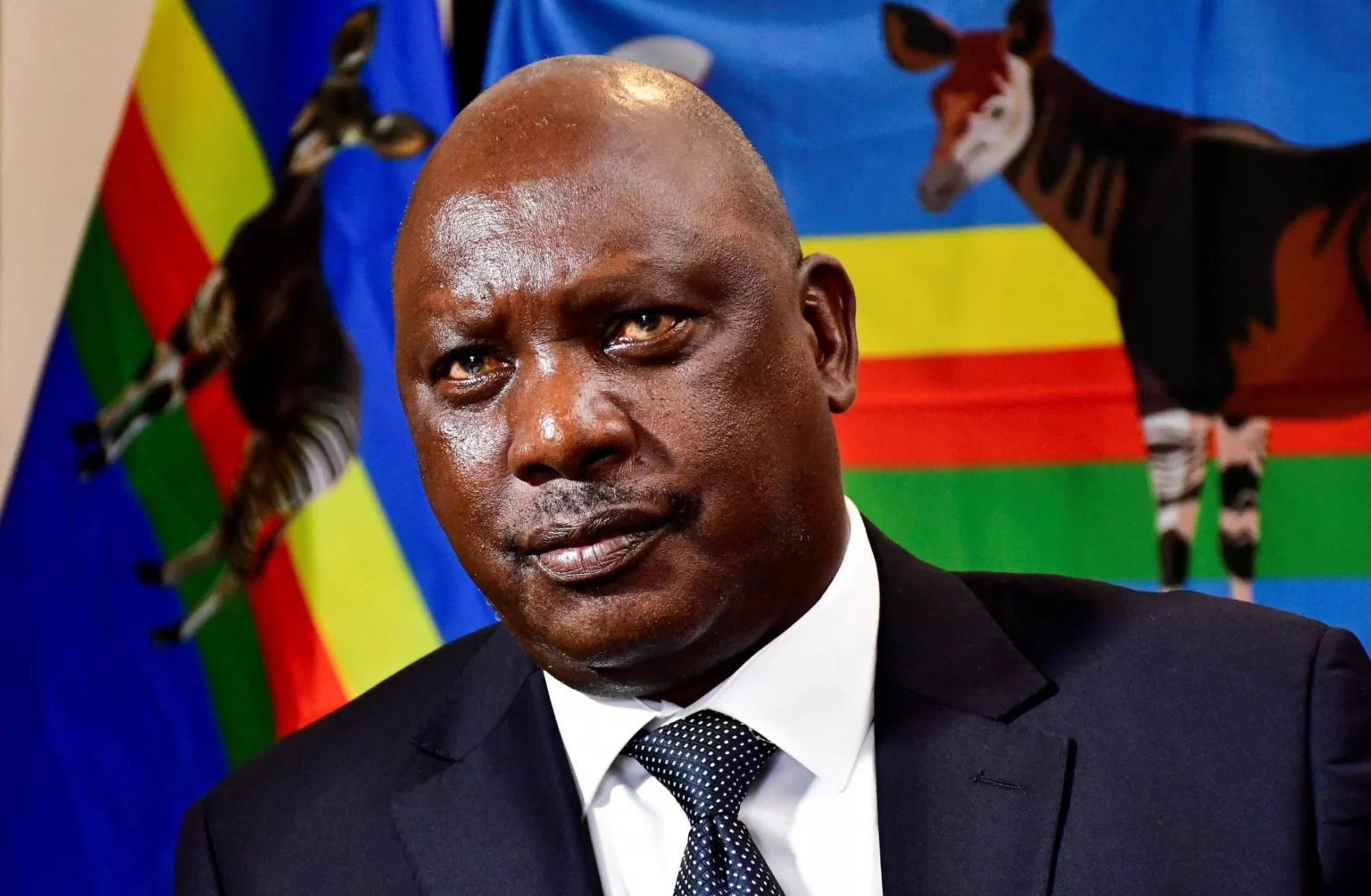

Thomas Lubanga, previously convicted by the International Criminal Court, has re-emerged in Ituri at the head of a new militia. The development highlights the continued fragility of state authority in eastern Congo and the persistence of unresolved local grievances. A new brief by African Narratives think tank dives deep into the impact of his return.
Key Facts
• Region: Ituri Province, northeastern Democratic Republic of the Congo
• Group: Convention for the Revolution of the People (CRP)
• Leader: Thomas Lubanga, ex-UPC commander, released 2020
• Conflict drivers: land access, gold mining zones, ethnic mobilization
• Frontlines: North of Bunia and around Lake Albert trade routes
• Civilian impact: Renewed displacement, wider insecurity risk
Lubanga Repositions Himself in Ituri
The reappearance of Thomas Lubanga in Ituri marks the return of a familiar figure in Congo’s long-running conflict. Lubanga, who led the Union of Congolese Patriots during the early 2000s, now operates through a new group, the Convention for the Revolution of the People. His re-entry into the conflict zone suggests that armed networks in Ituri were weakened but never dismantled, and that local loyalties remain active beneath the surface.
The African Narratives briefing notes that Lubanga’s organization has expanded activities north of Bunia and along strategic routes bordering Lake Albert. These are areas where control offers influence over movement of goods, taxation, and community protection claims.
A Conflict That Never Fully Ended
Cycles of violence in Ituri stem from disputes over land rights, customary authority, and the allocation of mining revenues. Although Lubanga’s previous conviction in 2012 removed him from the battlefield, it did not resolve these structural drivers. The state did not fill the security and governance vacuums left behind, enabling the re-formation of armed groups when conditions permitted.
The Congolese army, the FARDC, is currently overstretched. Engagements in North Kivu against the M23 movement reduce its capacity to sustain operations across multiple fronts. This has allowed the CRP and other militias to entrench themselves locally while avoiding decisive confrontation.
Strategic Weight of the Lake Albert Corridor
The CRP’s activity near Lake Albert has implications beyond local security. The area links Ituri to Uganda through informal trade and transportation routes. Changes in control here can alter commercial flows and trigger shifts in Kampala’s security posture. Uganda has intervened in eastern Congo several times in the past two decades, often citing border stability.
If the CRP strengthens its hold on these corridors, regional actors may reassess their involvement.
Possible Paths Forward
The African Narratives briefing outlines three plausible trajectories:
- Extended low-intensity conflict
Violence remains periodic, displacement continues, and the state manages rather than resolves insecurity. - Large-scale military operation
The FARDC may attempt to reassert territorial control, but such offensives have historically produced temporary gains with significant humanitarian risks. - Negotiation and incorporation
Lubanga may seek political relevance through integration into formal structures, but this raises legitimacy concerns given his conviction record.
None of these options promise a quick stabilization of Ituri. Situation in Eastern DRC remains highly volatile.
At a Glance
• The CRP’s rise reflects structural governance gaps, not a sudden shift
• FARDC’s multiple operational fronts limit its ability to neutralize new militias
• Activity near Lake Albert raises potential cross-border implications
• Civilian populations face repeated displacement and insecurity
Q: Why is Lubanga influential again?
A: Local networks and grievances persisted after his imprisonment, enabling him to mobilize when state presence remained weak.
Q: Why is Lake Albert strategically important?
A: It controls trade routes and cross-border movement between Congo and Uganda.
Q: Is a negotiated settlement likely?
A: Possible, but politically sensitive because of Lubanga’s ICC conviction and the risk of reinforcing violence as a bargaining tool.


