
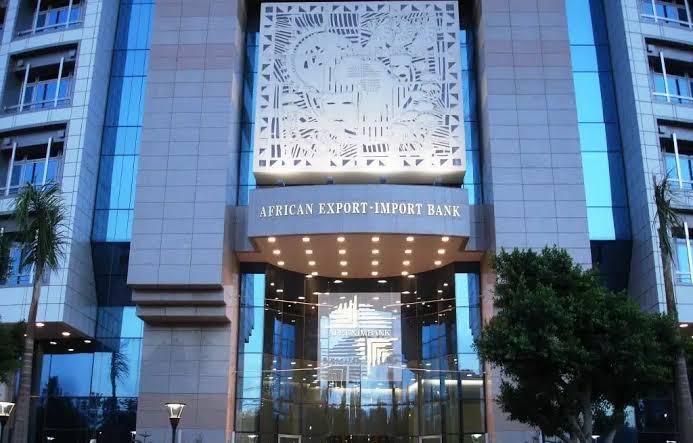

Moody’s Investors Service has downgraded the credit rating of the African Export-Import Bank (Afreximbank) for the second time in less than a month, reflecting growing concerns over the bank’s asset quality and tightening access to funding.
The downgrade moves Afreximbank’s long-term issuer rating from B1 to B2, pushing the pan-African lender deeper into speculative-grade territory. However, the agency revised its outlook from “negative” to “stable,” signalling a pause in further immediate deterioration, according to a statement issued Tuesday evening.
In its assessment, Moody’s cited the bank’s increasing exposure to high-risk sovereign borrowers as a key driver behind the rating action. The agency noted that Afreximbank has in recent years shifted away from its traditional mandate of trade finance to providing emergency liquidity and budget support to distressed African economies.
“The bank has taken on elevated credit risk by extending loans to governments with weak fiscal profiles,” Moody’s said, adding that this has weakened the institution’s asset profile and reduced its financial flexibility.
The credit rating downgrade is expected to increase the bank’s cost of borrowing in global capital markets and could lead to a reassessment of its funding terms from key partners.
The move comes at a critical time for Afreximbank, which is actively working to manage its exposure to countries undergoing debt restructuring, including Ghana, Zambia, and Malawi. The bank has reiterated its status as a preferred creditor, a designation that grants it repayment priority in the event of sovereign defaults—a protection historically afforded to multilateral development banks.
Headquartered in Cairo, Afreximbank has long been considered a key institution in facilitating intra-African trade, offering tailored financial instruments to support cross-border commerce and industrialisation across the continent. However, as macroeconomic pressures mount across Africa, the bank’s evolving risk profile has drawn increased scrutiny from rating agencies.
The latest downgrade follows a similar move by Fitch Ratings last month, which also cut the bank’s credit rating and assigned a negative outlook. That decision led to a sharp decline in the value of Afreximbank’s eurobonds, with some notes trading at their lowest levels in a year.
Moody’s warned that sustained exposure to financially fragile borrowers, unless carefully managed, could further undermine the bank’s capital buffers and impact its long-term development mandate.
Despite the pressure, Afreximbank remains one of Africa’s largest financial institutions, with an active role in supporting the African Continental Free Trade Area (AfCFTA), sovereign financing, and COVID-19 economic recovery efforts.


