
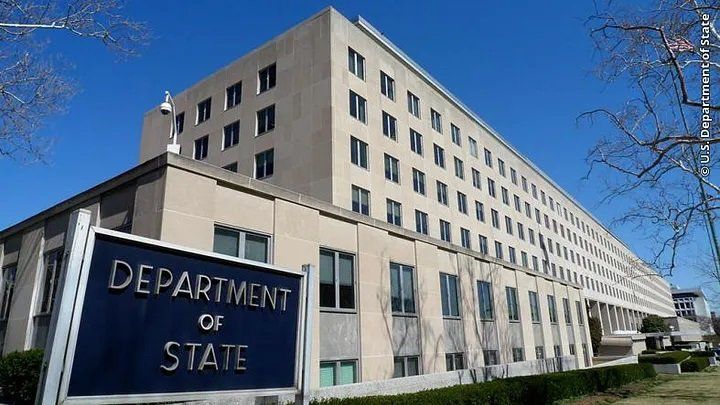

The United States has confirmed that Ethiopian government forces, along with armed groups, committed extensive human rights abuses in multiple regions during 2024, including extrajudicial killings, torture, and indiscriminate attacks on civilians. The findings were detailed in the U.S. State Department’s annual human rights report, which covers violations across more than 200 countries.
In the Amhara region, the report documents confirmed extrajudicial killings by government forces amid ongoing conflict. The military operation—launched in August 2023 under a state of emergency to “disarm Fano forces”—has been marked by reports of massacres, drone strikes, and artillery shelling targeting civilians. Despite the formal end of the state of emergency last year, the violations have continued, with both government troops and armed groups accused of abuses.
The two-year conflict has claimed thousands of civilian lives, displaced millions, and left over 5 million children out of school. Humanitarian organizations warn that infrastructure has been severely damaged and the death toll continues to rise. The Amhara Association of Ethiopia has recorded thousands of civilian deaths linked to the fighting.
Similar patterns of abuse are reported in Oromia, where the Ethiopian National Defense Force has been battling the Oromo Liberation Army (OLA) for more than six years. The report confirms extrajudicial killings, civilian massacres, and mass kidnappings, often followed by executions even after ransoms were paid. While local sources allege ransom payments were sometimes transferred directly into kidnappers’ bank accounts, this detail was not included in the State Department’s report.
One of the most damning findings is the confirmation of a 2024 drone strike that killed 248 civilians—an incident the Ethiopian government has denied targeted non-combatants. In Tigray, the report also records ongoing arbitrary and extrajudicial killings despite the region’s recent peace process.
The State Department’s assessment paints a bleak picture of Ethiopia’s human rights situation, underscoring that multiple armed actors—state and non-state—continue to operate with impunity across the country’s conflict zones.


