
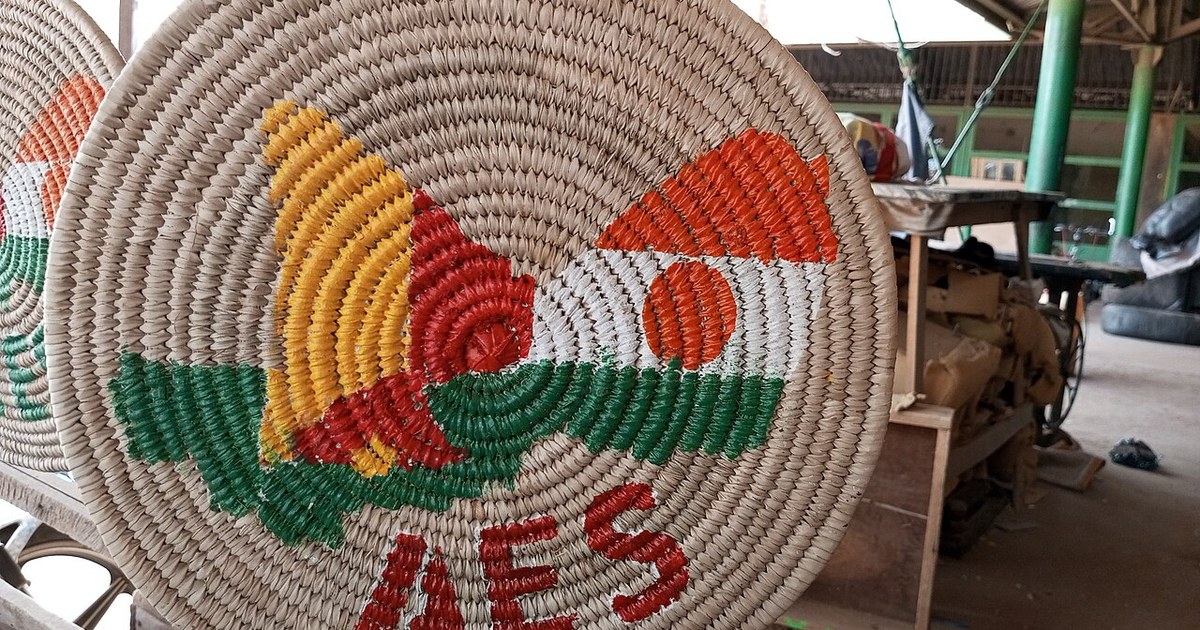

The Sahel alliance, formally the Confederation of Sahel States (AES), joins Mali, Burkina Faso and Niger in a defence and political union that left ECOWAS in January 2025 and now faces its hardest security test.
Last updated: 26 November 2026
The Sahel alliance matters well beyond its three members. It covers about 2.8mn square kilometres between the Sahara and the coastal states of West Africa, it has turned the three governments towards Russia and away from France, and its talks with ECOWAS will decide how freely people and goods move across one of Africa’s busiest trade regions. Armed groups linked to al-Qaeda and the Islamic State are fighting all three governments at once.
In brief
- Mali, Burkina Faso and Niger signed the Liptako-Gourma Charter in September 2023 and turned the Sahel alliance into a confederation in July 2024; their exit from ECOWAS took effect on 29 January 2025.
- A joint force of about 6,000 troops, headquartered in Niamey, was launched in December 2025, according to ISS Africa. Burkina Faso’s Captain Ibrahim Traore holds the rotating presidency.
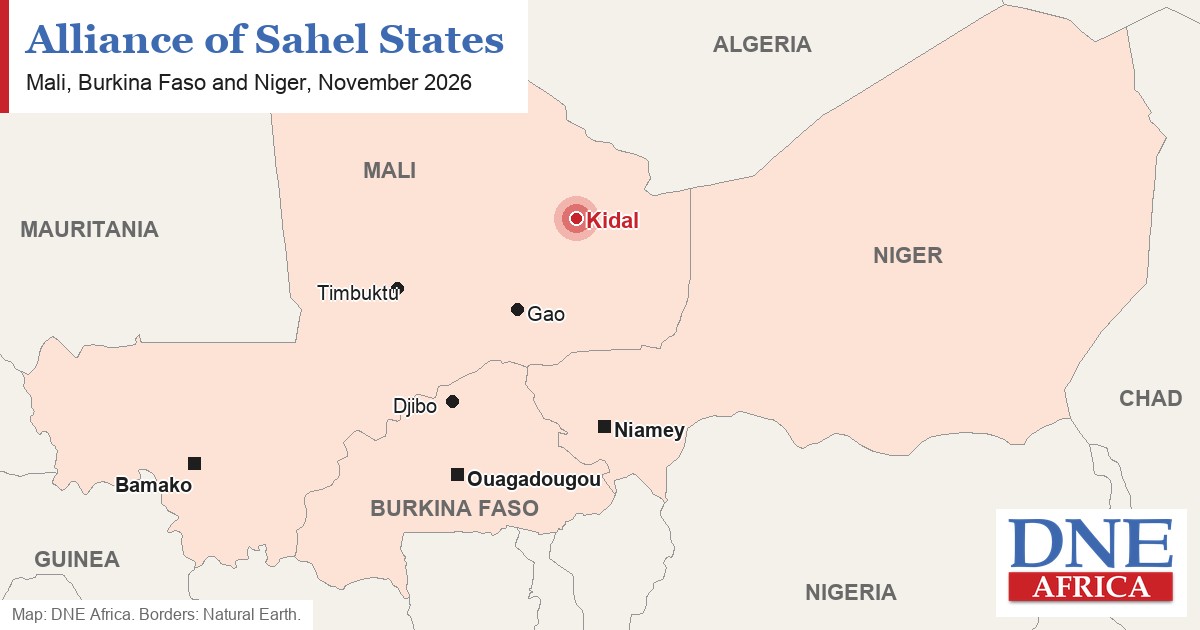
- On 25 April 2026 coordinated attacks by JNIM, an al-Qaeda affiliate, and the Azawad Liberation Front (FLA) killed Mali’s defence minister; the FLA held Kidal until early October.
- Nearly 4mn people are uprooted across the three countries, the UN refugee agency said in October 2026.
What is happening in the Sahel alliance now?
The Sahel alliance is trying to show it can protect its members while it negotiates a new relationship with its former partners. Sahel alliance ministers met in Ouagadougou on 11 and 12 November to review the “Year II” roadmap adopted in February, covering defence, diplomacy and development, ahead of the next summit of heads of state. Burkina Faso’s minister of war and patriotic defence, General Celestin Simpore, said the joint force showed “resilience” and that the confederation now spoke with “one voice” for sovereignty, according to a statement from Burkina Faso’s foreign ministry.
The same meeting criticised Guinea’s expulsion of gold miners from the three countries as “massive and uncoordinated” in a joint statement on 12 November. Burkina Faso’s relief agency, CONASUR, had registered 45,406 returnees by 12 November. DNE Africa covered the Guinea gold mining expulsions earlier this month.
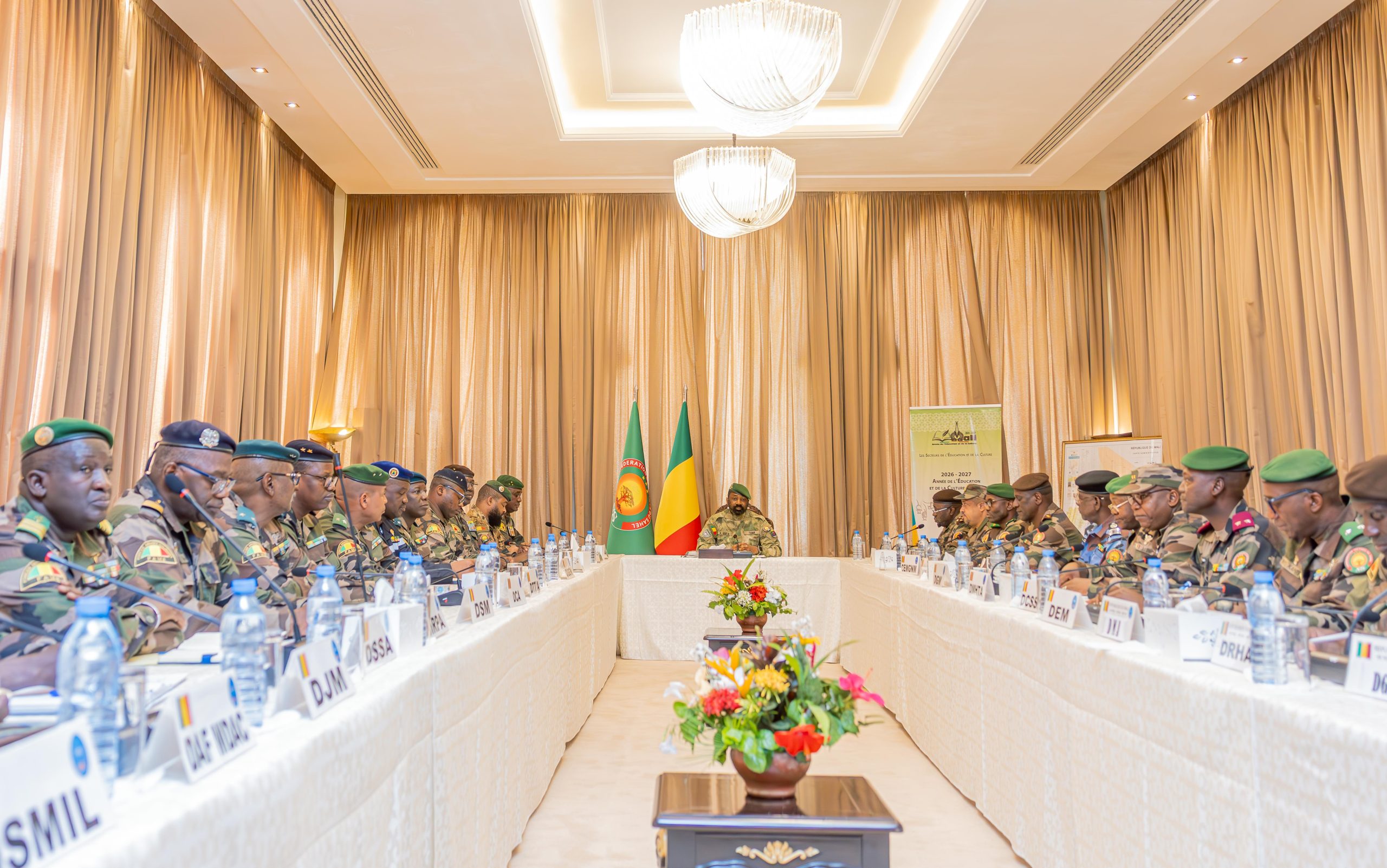
In Mali, the Sahel alliance’s largest member, the army says it has regained ground. Mali’s armed forces returned to Kidal on 6 October after the FLA announced what it called “a controlled withdrawal” in response to air strikes by Malian and Russian forces. On 24 November the chief of general staff, General Elisee Jean Dao, told Transitional President Assimi Goita that the trend of operations was “largely positive”, the state news agency AMAP said, a claim that could not be independently verified. Goita asked commanders to strengthen the joint force, as DNE Africa reported.
JNIM declared a blockade on fuel bound for Bamako in September 2025 and reimposed it after the April attacks, and tankers now travel in escorted convoys, according to the Global Initiative Against Transnational Organized Crime. In Niger, soldiers attacked Niamey airport and the presidency’s perimeter on 29 August before the government said it had regained control, Reuters reported.
Who are the parties and what does each say it wants?
The three governments. Mali’s transitional government is led by General Assimi Goita, Burkina Faso’s by Captain Ibrahim Traore and Niger’s by General Abdourahamane Tiani. The army took power in Mali in 2020 and 2021, in Burkina Faso twice in 2022 and in Niger in July 2023. They describe the Sahel alliance as a project of sovereignty: “pooling our economies, streamlining our trade and developing our vast natural resources” will give young people a future, General Simpore said on 11 November. They call the armed groups they fight “terrorist armed groups”.
JNIM. Jama’at Nusrat al-Islam wal-Muslimin, formed in 2017 and led by Iyad ag Ghali, is al-Qaeda’s affiliate in the region. For the first time in nearly 15 years of conflict it has made clear that it wants to remove the governments of all three states, the International Crisis Group said in a briefing on 20 November.
The FLA. The Azawad Liberation Front, a mainly Tuareg movement, seeks independence for northern Mali, which it calls Azawad. It demanded the withdrawal of Russia’s Africa Corps, and called its October exit from Kidal a “temporary operational measure”.
Islamic State Sahel Province. The Islamic State’s affiliate operates mainly in the border zone of Mali and Niger and said it carried out an attack on Niamey’s airport in January 2026.
ECOWAS. The West African bloc said in Dakar in October that its priorities are the free movement of people, goods and services, open roads, borders and ports, and co-operation against terrorism. It is building its own counter-terrorism force, now due to deploy by December 2027, as DNE Africa reported.
How did the Sahel alliance begin?
The Sahel alliance grew out of the three governments’ quarrels with ECOWAS, the African Union and France after the military takeovers, and from a shared war with the same armed groups.
- August 2020 and May 2021: the army takes power in Mali.
- January and September 2022: two military takeovers in Burkina Faso.
- July 2023: the army takes power in Niger; ECOWAS threatens military intervention.
- 16 September 2023: the three sign the Liptako-Gourma Charter in Bamako, a mutual defence pact.
- 28 January 2024: they announce their withdrawal from ECOWAS.
- 6 July 2024: the first summit in Niamey creates the Confederation of Sahel States.
- 29 January 2025: the ECOWAS exit takes effect.
- 28 March 2025: a 0.5% levy on imports is agreed to fund confederal bodies, according to ISS Africa.
- April 2025: the three recall their ambassadors from Algeria after it says it shot down a Malian drone.
- September 2025: the three announce their withdrawal from the International Criminal Court; JNIM declares its fuel blockade on Bamako.
- December 2025: the joint force is launched; at a summit in Bamako on 22 and 23 December, Traore takes over the presidency from Goita.
- 25 April 2026: JNIM and the FLA attack Bamako, Kati, Gao, Sevare, Mopti and Kidal; Defence Minister Sadio Camara is killed.
- 6 October 2026: the FLA withdraws from Kidal and the army returns.
- 17 October 2026: first ministerial dialogue between ECOWAS and the Sahel alliance in Dakar.
What is the human cost?
Nearly 4mn people have been uprooted across the Sahel alliance’s three countries, including more than 818,000 refugees and asylum seekers, the UN refugee agency (UNHCR) said in October 2026, about twice the level of 2020.
The UN Office for the Coordination of Humanitarian Affairs counted 2,083 security incidents that killed 2,460 people in Burkina Faso, Mali and western Niger between January and May 2026, according to its humanitarian overview of 29 June. It put the number of internally displaced people at 2.8mn, including 2.1mn in Burkina Faso, 415,000 in Mali and 347,000 in Niger. Some 2.7mn people faced acute food insecurity, 3,794 schools and 974 health facilities were not working, and the $303mn appeal was 16% funded at the end of June.
Abuses are reported on all sides. The Global Centre for the Responsibility to Protect, said in its assessment that armed groups use sieges, kidnappings and blockades against civilians, and that the armies of Mali and Burkina Faso, Russia’s Africa Corps and state-backed militias were implicated in possible war crimes. The governments describe their operations as directed at “terrorist armed groups”; their response to these specific findings could not be obtained.
What are neighbours, the AU, the UN and outside powers doing?
ECOWAS. Ministers from ECOWAS and the Sahel alliance agreed in Dakar on 17 October to set up joint working groups to prepare a framework co-operation agreement, ThisDay reported. No date was set for the next meeting. As of 25 November no new visa or border rules had been announced.
The African Union. All three states remain suspended from AU activities. The AU Peace and Security Council reviewed the transitions in Burkina Faso and Niger on 27 July 2026 and called for continued engagement, according to its communique.
Russia and others. Russia is the Sahel alliance’s main security partner. Africa Corps fights alongside Mali’s army, while in Burkina Faso and Niger its role is limited to training, ISS Africa said in an analysis; the three also buy equipment from Turkey, Iran and China. A report by African Narratives on the Russia-Africa summit of October 2026 links Russia’s appeal in the three countries to frustration with French-led stabilisation efforts and to the choices of their own leaders, and says more military co-operation does not in itself show better security. The Morocco-based Policy Center for the New South said in July that the three hope to turn their break with the West into strategic autonomy, but must avoid new dependencies.
The US and Europe. The head of US Africa Command, General Dagvin Anderson, met Goita in Bamako on 10 November to discuss security co-operation, according to the Malian Press Agency (AMAP). Germany’s Stiftung Wissenschaft und Politik took a critical view in a November analysis, describing the Sahel alliance as “regime-strengthening regionalism” (translated from German) that has mainly helped the three governments at home. The Sahel alliance’s ministers in turn accused the European Union of “interference” in African states’ affairs on 12 November.
What to watch next in the Sahel alliance
- The next summit of the three heads of state, which the November ministerial meeting was preparing; no date has been announced.
- The ECOWAS working groups, and whether free movement and trade are kept in a framework deal.
- Whether JNIM tightens or eases its blockade of Bamako, and whether talks with the group, which Crisis Group urged, take shape.
- The joint force’s first large operations across borders, and the FLA’s next move in the Kidal region.
FAQ
What is the Sahel alliance?
The Sahel alliance, or Confederation of Sahel States (AES), is a defence and political union of Mali, Burkina Faso and Niger, created by the Liptako-Gourma Charter in September 2023 and turned into a confederation in July 2024.
Why did the Sahel alliance leave ECOWAS?
The three governments said ECOWAS had failed to respect their sovereignty and had imposed sanctions after the military takeovers. They announced their exit in January 2024 and it took effect on 29 January 2025.
Who leads the Sahel alliance?
The presidency rotates. Burkina Faso’s Captain Ibrahim Traore took over from Mali’s General Assimi Goita at the Bamako summit in December 2025.
Does the Sahel alliance have its own army?
It has a joint force of about 6,000 troops from the three national armies, headquartered in Niamey and launched in December 2025, according to ISS Africa.


