
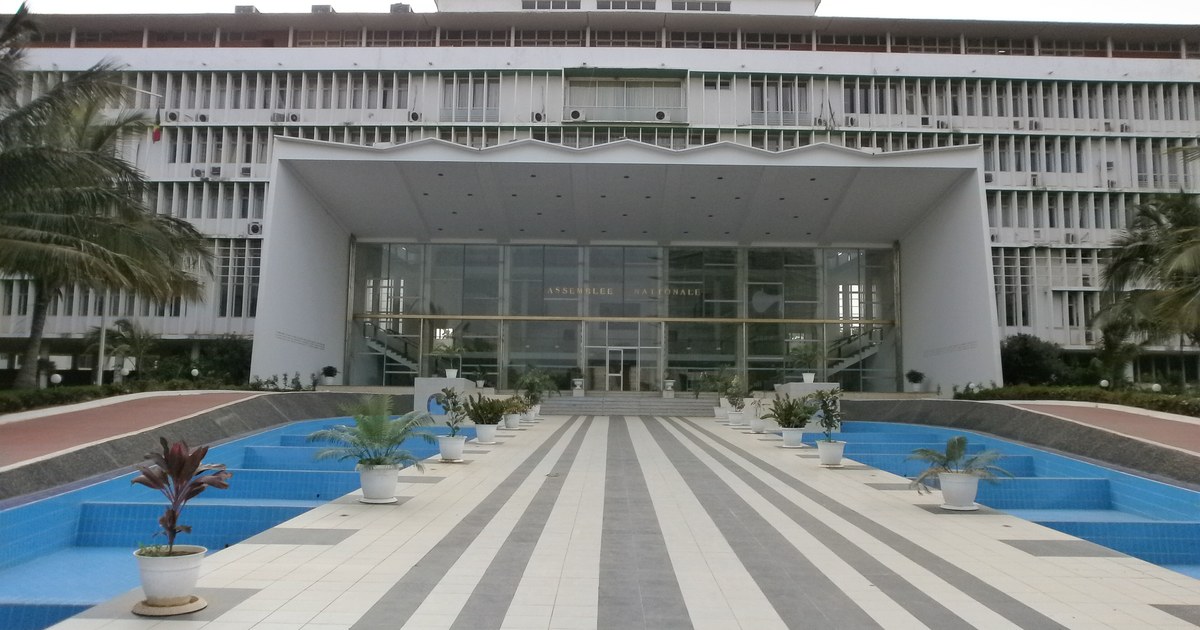

In Africa news today, Senegal’s President Bassirou Diomaye Faye ordered the government to carry out the 2026 supplementary budget at once, hours after the National Assembly voted to demand the withdrawal of the decree that enacted it.
The dispute between the presidency and the parliamentary majority over public spending deepened on Wednesday. Also in Africa news today: South African factory-gate inflation jumped, Tunisia’s central bank held its rate, Ethiopia’s prime minister faced MPs and Gabon opens a new cement line.
Africa news today in brief
- Senegal: the Council of Ministers told the prime minister and finance minister to implement the supplementary budget immediately, after MPs voted 128 to 9 against the decree behind it, Seneweb reported.
- South Africa: producer prices rose 8.1% year on year in October, up from 6.2% in September, Statistics South Africa said.
- Tunisia: the central bank kept its policy rate at 7% and said the current-account deficit had doubled to 3.5% of GDP.
- Ethiopia: Prime Minister Abiy Ahmed took questions in parliament for the first time since the June election, state broadcaster EBC announced.
- Gabon: President Brice Clotaire Oligui Nguema is due to open a third CIMAF cement line at Owendo, the state news agency AGP said.
Why is Senegal’s budget in dispute?
The weekly Council of Ministers communique of Wednesday 25 November said Mr Faye had instructed the prime minister and the minister of economy, finance and planning to put the 2026 supplementary finance law into effect immediately. The communique was carried late on Wednesday by Seneweb (in French).
Earlier that day the National Assembly adopted a resolution, by 128 votes to 9 with 2 abstentions, asking for decree 2026-2416 of 19 November to be withdrawn “without delay”, Seneweb reported in French from the plenary. The text, tabled by the Pastef parliamentary group led by Ayib Daffe, called the decree “a usurpation of legislative power” (translated from French). It also asked the finance committee to oversee new borrowing and warned that accountants and budget controllers could be held responsible for spending under the decree.
MPs rejected the supplementary budget bill on 3 November; Mr Faye then enacted it by decree, as DNE Africa reported. Why it matters: the government and the parliamentary majority now give officials opposite instructions on the same spending, at a time when the president is also pushing new mining measures (our report on the gold trading house).
How fast are South Africa’s producer prices rising?
Factory-gate prices for final manufactured goods rose 8.1% in the year to October, from 6.2% in September, and 1.7% on the month, Statistics South Africa said on Thursday. Economists had expected an annual rise of about 7.6%, according to market consensus compiled by financial data services.
Coke, petroleum, chemical, rubber and plastic products were the main contributors, the agency said, reflecting higher fuel prices. Consumer inflation was 5.2% in October, according to Stats SA’s previous release.
Why it matters: producer prices are an early guide to the cost pressures that reach shoppers, and the jump comes as the IMF urges reforms to lift growth, as covered in our report on the IMF review.
Why did Tunisia’s central bank hold its rate?
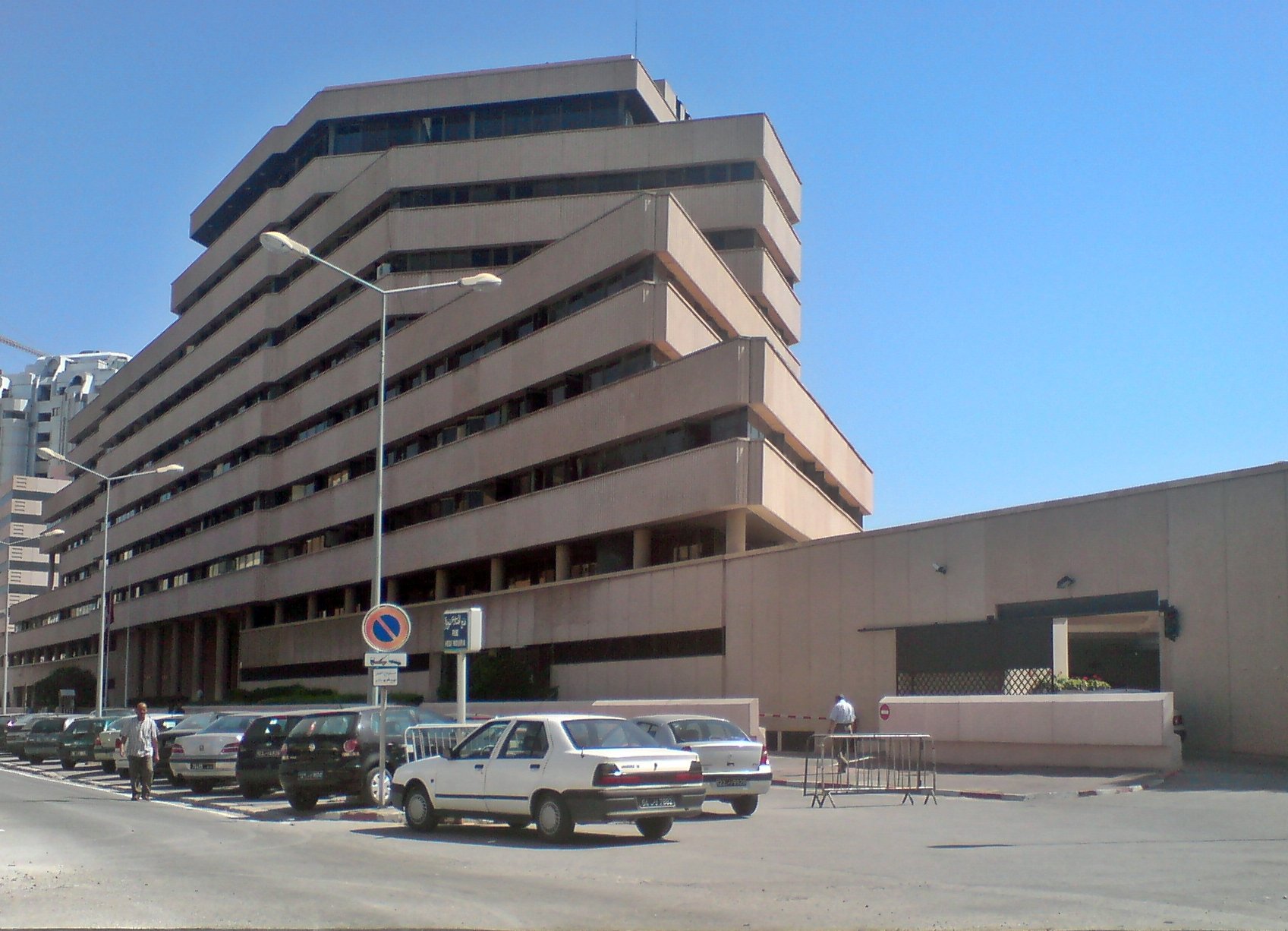
The board of the Central Bank of Tunisia kept the policy rate at 7% at its meeting on 25 November, according to its communique, published in French and reported on Thursday morning by Tunisian outlets including Mosaique FM.
The bank said the current-account deficit reached 6.403bn dinars, or 3.5% of GDP, in the first ten months of 2026, against 2.999bn dinars (1.7%) a year earlier. Net foreign assets covered 88 days of imports on 24 November, down from 106 days. Inflation was 5.6% in October and growth slowed to 1.9% in the third quarter. The board called for a prudent monetary stance.
Why it matters for Africa news today: a wider external gap and thinner reserves limit room to cut rates while food prices, up 13.2% according to the bank, keep pressure on households.
What are Ethiopian MPs asking Abiy Ahmed?
Mr Abiy appeared before the House of Peoples’ Representatives on Thursday to report on the first quarter of the 2026/27 fiscal year and answer questions, a session announced in Amharic by state broadcaster EBC on Wednesday. It is his first question session in the parliament elected in June 2026, in which Tigray’s 38 constituencies held no vote, Addis Standard noted.
MPs raised security in Oromia, Amhara and Tigray, relations with Eritrea and Egypt, access to the Red Sea, the national dialogue, debt, taxes and the cost of living, and the absence of local elections for 13 to 14 years, the state-owned Fana Media Corporation reported. His answers had not been published by late morning.
Why it matters: the session follows Sudan’s rejection of Ethiopia’s offer to host Sudanese talks, reported in Wednesday’s Africa news today, and renewed fighting in Tigray since late September.
What is Gabon’s new cement line worth?
Mr Oligui Nguema is due on Thursday to inaugurate the third production line of CIMAF Gabon, a subsidiary of Morocco’s CIMAT-CIMAF group, in the Owendo industrial zone near Libreville, the Gabonese Press Agency (AGP) said in French. The investment of about 25bn CFA francs ($44mn) was made under an agreement with the state.
The plant’s capacity will rise to 1.85mn tonnes of cement a year, the Libreville outlet Gabonactu reported. A ban on clinker imports, decided by the Council of Ministers in September 2025, takes effect on 1 January 2027, AGP said.
Why it matters: Gabon wants more building materials made at home as it seeks to show investors stronger finances, a case its finance minister made against Fitch this week (our report). The Owendo opening is the Central African entry in Africa news today.
Africa news today: what to watch
Three scheduled events are due today:
- Ethiopia: Mr Abiy’s answers to MPs and the House’s vote on the government’s report, according to the parliamentary agenda announced by EBC.
- Gabon: the CIMAF line opening at Owendo, with the president attending, per AGP.
- Senegal: Mr Faye begins an economic tour of the eastern regions of Kedougou and Tambacounda, running until 30 November, according to the Council of Ministers communique.
FAQ
What is the top Africa news today?
Senegal’s president ordered the immediate implementation of the 2026 supplementary budget after the National Assembly voted 128 to 9 to demand the withdrawal of the decree that enacted it.
What did Senegal’s National Assembly decide?
The vote behind the lead story in Africa news today was a resolution, adopted on 25 November, that asks for decree 2026-2416 to be withdrawn and for parliament’s finance committee to oversee new borrowing, Seneweb reported.
What was South Africa’s producer inflation in October 2026?
Producer prices rose 8.1% year on year and 1.7% on the month, Statistics South Africa said, led by fuel and chemical products. It is the main economic figure in Africa news today.
Which countries are in Africa news today?
This edition of Africa news today covers Senegal, South Africa, Tunisia, Ethiopia and Gabon, one from each of Africa’s five regions.


