

The International Organization for Migration (IOM), in partnership with Egypt’s Ministry of Defense and with support from the European Union, has completed an international training programme aimed at strengthening the capacity of United Nations and African peacekeepers to protect civilians and manage migration-related challenges in conflict-affected regions.
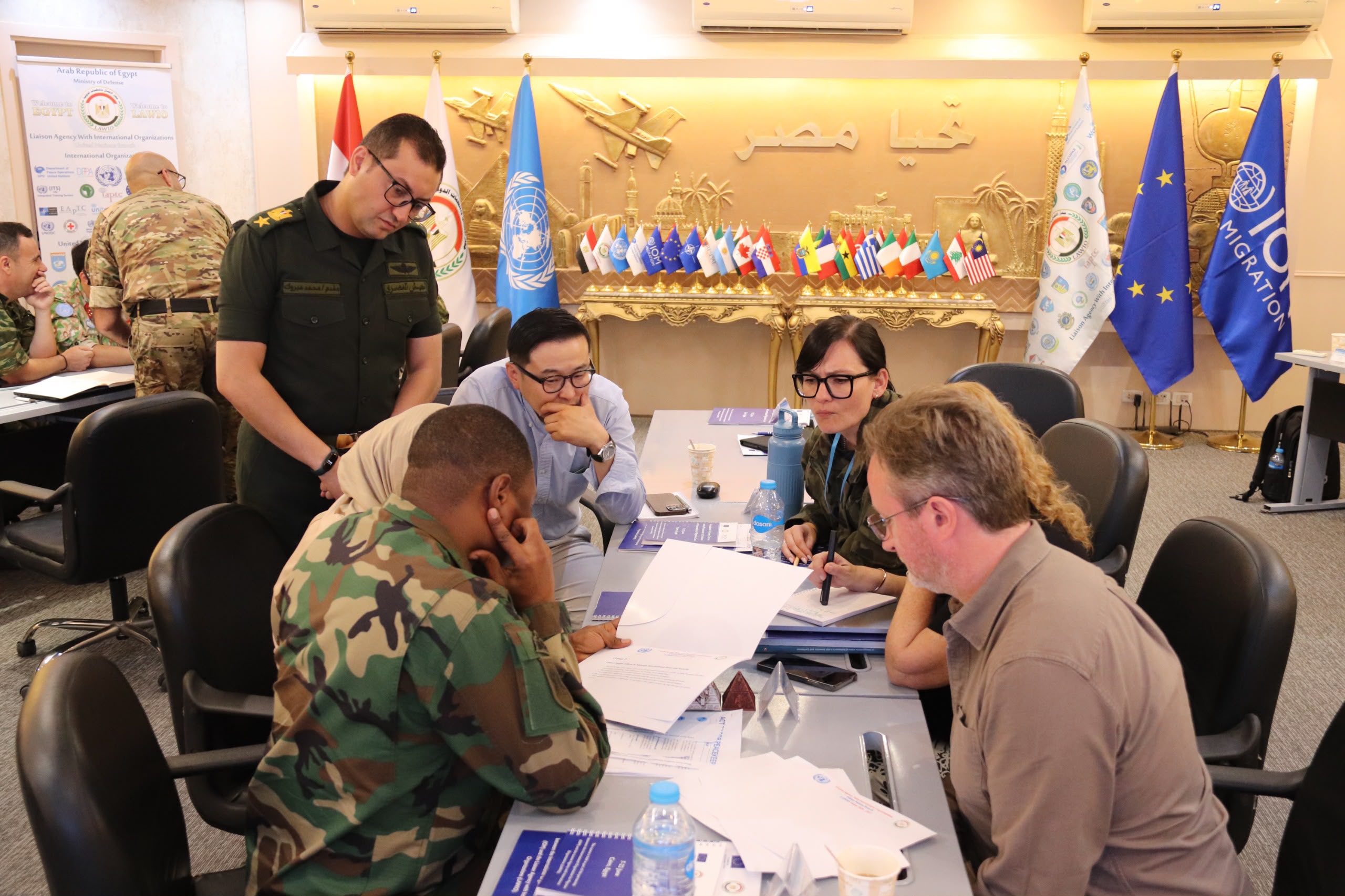
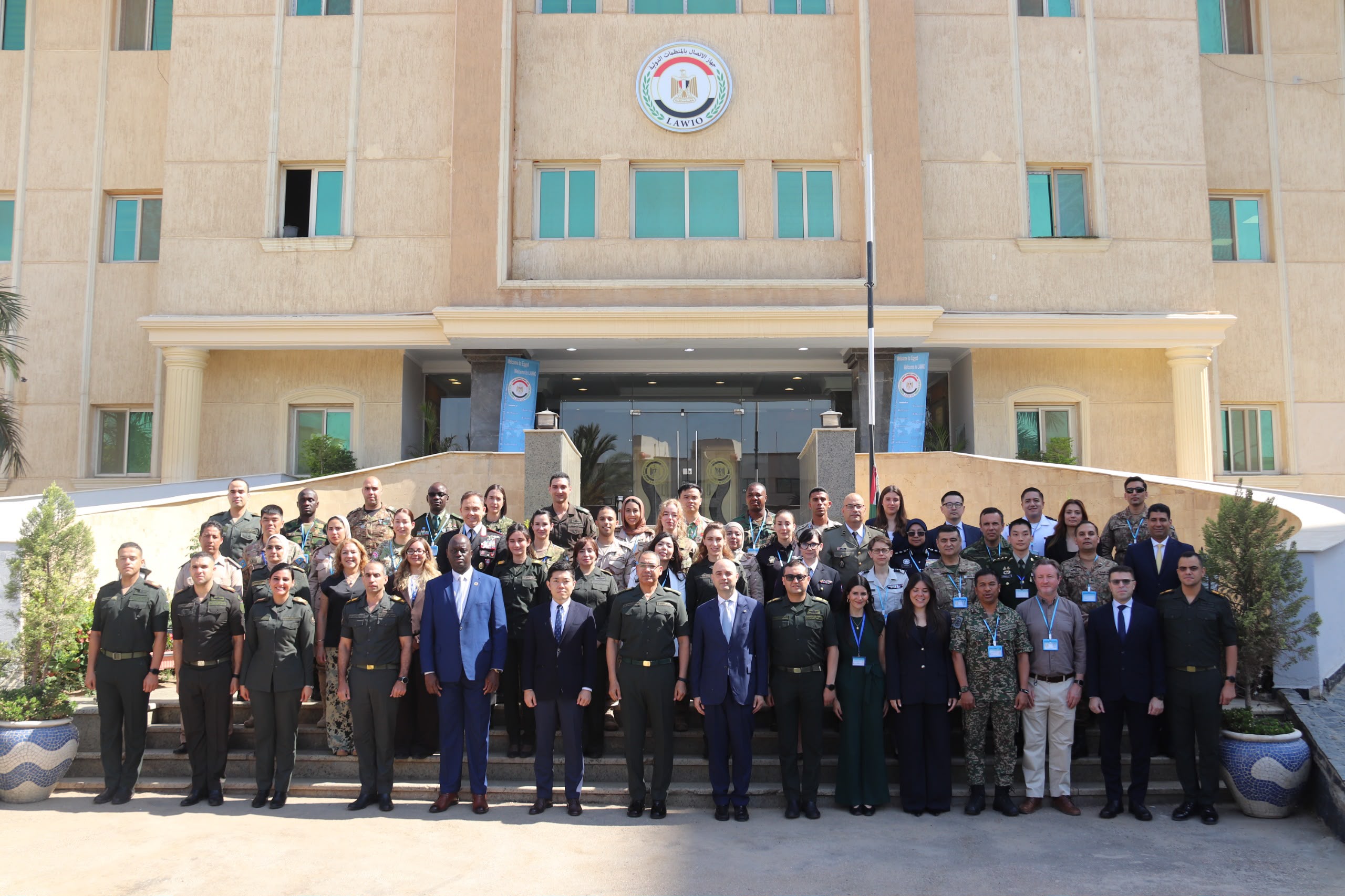
The second edition of the “United Nations Protection of Civilians and International Migration Law” course was held at the Egyptian Ministry of Defense’s Liaison Agency with International Organizations (LAWIO) in Cairo, bringing together military, police and civilian personnel from 25 countries across Africa, Europe, Asia and the Americas.
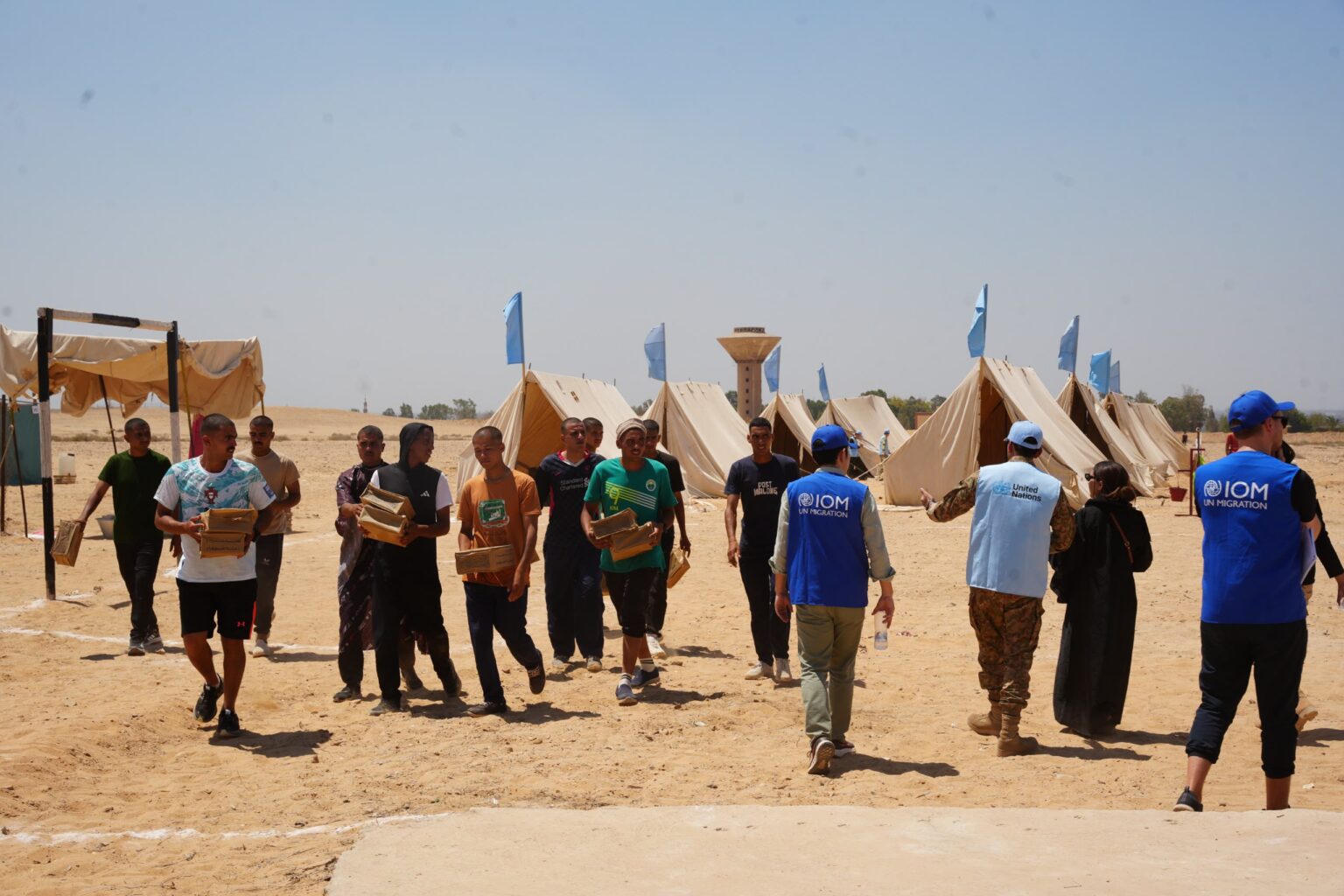
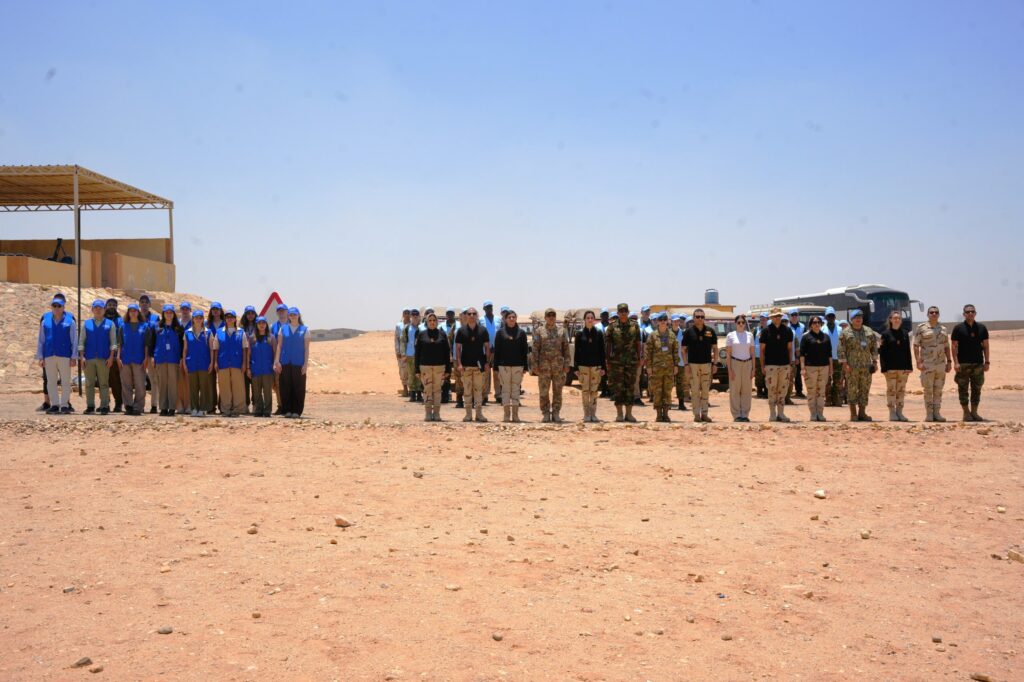
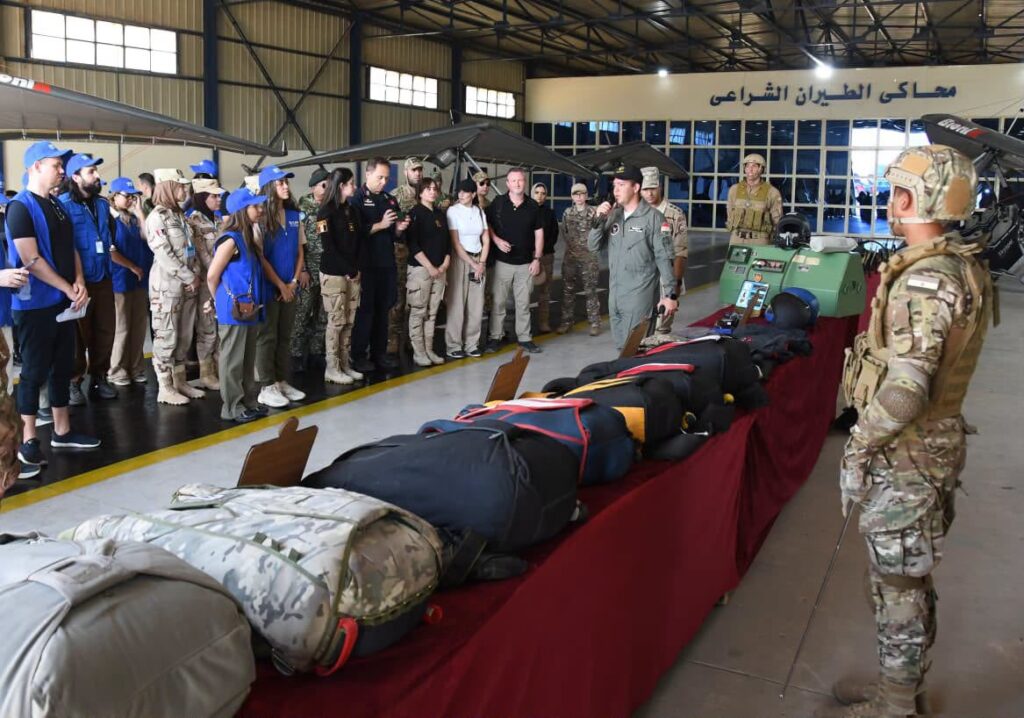
The two-week programme, held from June 7 to June 22, trained 36 participants from Egypt and partner countries, including Ghana, Morocco, Nigeria, Senegal, Tunisia and Zambia. The course combined classroom instruction with simulation exercises and field training at Egypt’s Airborne Forces Military Base to prepare peacekeepers for complex humanitarian and security environments.
The initiative was designed to strengthen the operational readiness of personnel deploying to United Nations and African-led peace support operations by equipping them with skills to implement civilian protection mandates while applying international migration law and relevant legal frameworks.
Brigadier General Ayman Shebl, Chief of LAWIO, said protecting civilians has evolved beyond a United Nations mandate into “a shared humanitarian, ethical, and legal responsibility” requiring close cooperation among military, police and civilian actors as well as stronger partnerships between governments and international organizations.
He said Egypt remains committed to expanding international cooperation that supports stability and promotes peace, highlighting the country’s partnership with IOM and the European Union on migration governance in crisis-affected settings.
In turn, Major General Ayman Abdelaziz Kishar, Deputy Head of Egypt’s Military Intelligence Authority, said the training represented an important step in strengthening international cooperation to address common security challenges, including migrant smuggling, human trafficking and effective migration management.
He expressed hope for continued collaboration in support of United Nations peace operations while promoting peace, understanding and international cooperation.
IOM Egypt Chief of Mission Carlos Oliver Cruz said modern peacekeepers are increasingly among the first responders assisting displaced people, refugees, migrants in vulnerable situations and survivors of trafficking and conflict-related sexual violence.
“These encounters frequently take place in border areas, transit corridors and near operational bases, where protection risks are heightened and access to services may be limited,” Cruz said, adding that today’s complex crises require greater preparedness and stronger operational coordination.
The course integrated international migration law into the standard United Nations Protection of Civilians curriculum, reflecting the growing overlap between migration management, humanitarian protection and peacekeeping operations.
The programme formed part of the European Union-funded project to strengthen the operational capacity of the Egyptian Navy and Border Guard in managing migration flows through enhanced border surveillance and search-and-rescue operations. The project is implemented by IOM and CIVIPOL.
Sophie Vanhaeverbeke, Head of Cooperation at the European Union Delegation to Egypt, said the training highlighted the growing importance of civil-military coordination and the critical role peacekeepers play in addressing migration and border management challenges in accordance with international law.
She praised Egypt’s Ministry of Defense for advancing capacity-building efforts and reaffirmed the EU’s commitment to supporting partnerships with Egyptian authorities and international organizations.
IOM said it will continue supporting national and regional initiatives aimed at strengthening operational preparedness, enhancing civilian protection and promoting the application of international migration law in peace operations.


