
By using this site, you agree to the Privacy Policy and Terms of Use.
Accept
DNE Africa
  • Home
  • Politics
    embryo fossil found in 1
    Science

    250-Million-Year-Old Fossil Egg Solves Mystery of Early Mammal Relatives

    By Mohammed El-Said 5 Min Read
    Somalia condemns Israeli diplomatic appointment to breakaway Somaliland
    Politics

    Somalia condemns Israeli diplomatic appointment to breakaway Somaliland

    By DNE Africa April 16, 2026
    elephant genomes revea 1
    Science

    Africa’s Elephants Are Losing Genetic Diversity as Habitats Shrink, Study Finds

    By Mohammed El-Said April 16, 2026
  • Business
    Mahmoud Mohieldin: Africa’s share of global FDI does not exceed 6%
    Business

    Mahmoud Mohieldin: Africa’s share of global FDI does not exceed 6%

    Dr Mahmoud Mohieldin, Chair of the African Advisory Council to the G-FAFS,…

    By DNE Africa 2 Min Read
    climate shocks vulnerability
    BusinessScience
    Climate Change Could Deepen Food Crisis in East Africa by 2050
    WhatsApp Image 2026 02 02 at 4.01.57 PM
    BusinessHealth
    Takeda hosts regional summit in Cairo to improve care for rare hereditary angioedema
    omega 1 130922 cakuo
    BusinessScienceTechnology
    Heat and Dust Are Cutting Solar Power Output Across Sub-Saharan Africa, Study Finds
    Double-Edged Sword- Backbase Reveals How AI is Redefining Trust in African Banking
    Business
    Beyond the Chatbot: Backbase Report Charts Africa’s AI-Driven Financial Revolution
  • Culture
  • Opinion
  • Technology
  • World
  • My Bookmarks
Reading:  Sudan, Ethiopia and Somalia brace as Gulf patrons look inward
Sign In
  • Join US
DNE AfricaDNE Africa
Font ResizerAa
  • Home
  • Politics
  • Business
  • Culture
  • Opinion
  • Technology
  • World
  • My Bookmarks
Search
  • Home
  • Politics
  • Business
  • Culture
  • Opinion
  • Technology
  • World
  • My Bookmarks
Have an existing account? Sign In
Follow US
© Foxiz News Network. Ruby Design Company. All Rights Reserved.
 Sudan, Ethiopia and Somalia brace as Gulf patrons look inward

 Sudan, Ethiopia and Somalia brace as Gulf patrons look inward

DNE Africa
Last updated: March 9, 2026 11:23 pm
By DNE Africa 6 Min Read
Share
SHARE

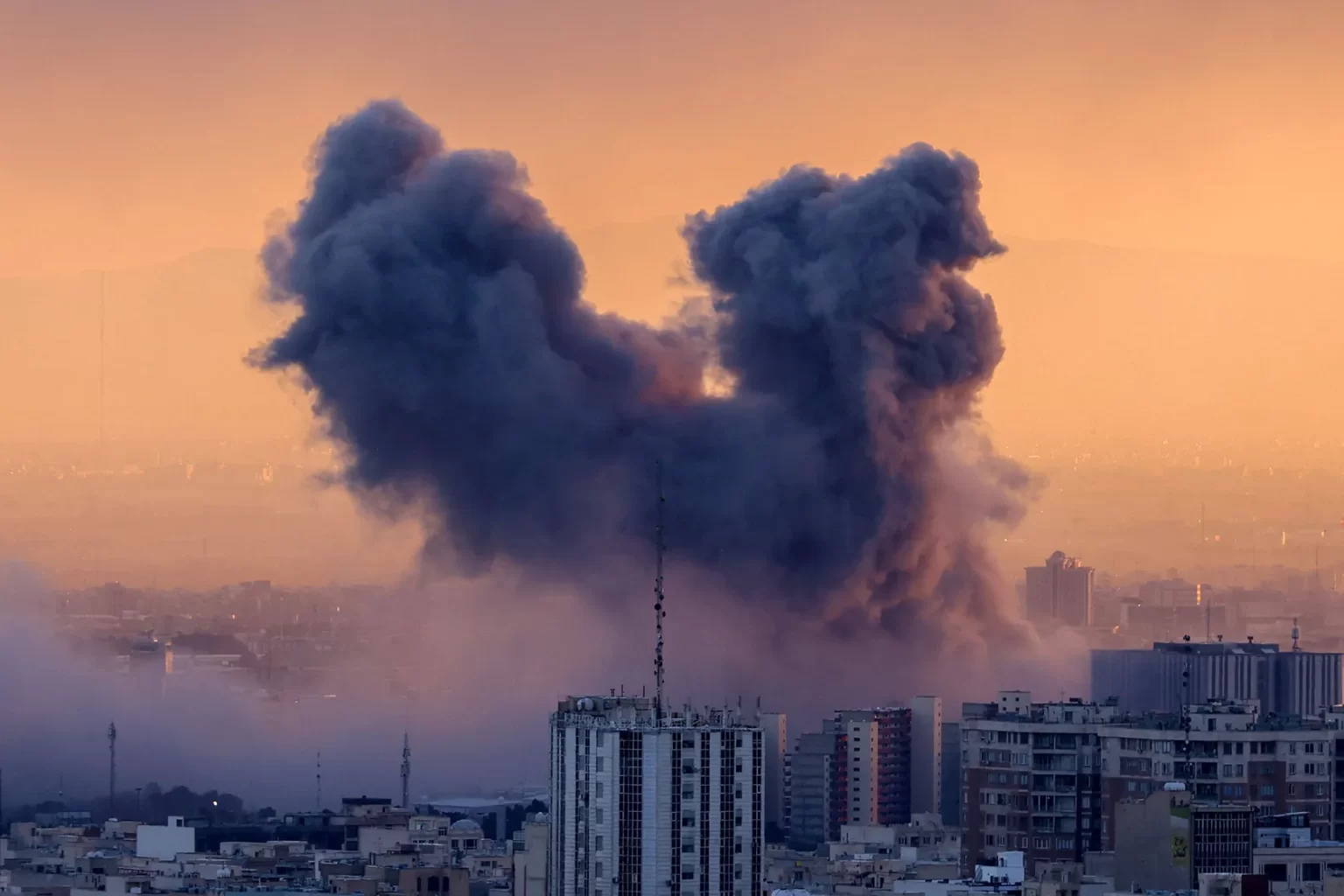
Ethiopia, Sudan and Somalia face a deepening power vacuum as Gulf states — their principal external patrons for over a decade — turn inward to manage escalating security pressures following the US-Israel war on Iran.

Contents
Why Ethiopia and the Horn of Africa are exposedThe big pictureBy the numbers: Red Sea, dam disputes and a shifting war next doorWhat they’re saying Between the lines: Ethiopia’s Red Sea window and its risksWhat’s nextEthiopia’s Somaliland deal could move faster without Saudi resistanceTurkey and Egypt remain engaged — but on terms that constrain EthiopiaSomaliland recognitionThe bottom line

Why Ethiopia and the Horn of Africa are exposed

Ethiopia in particular stands at an inflection point. Gulf diplomacy and funding have shaped Addis Ababa’s regional ambitions — including its drive for Red Sea access through Somaliland — and a sudden withdrawal of that external architecture could either accelerate Addis Ababa’s strategic moves or leave them dangerously exposed.

The big picture

The UAE, Qatar and Saudi Arabia have functioned as the Horn of Africa’s dominant external brokers since at least 2023, funding factions, mediating disputes and advancing their own logistics and investment interests across Ethiopia, Sudan and Somalia. Their engagement was opportunistic — contingent on Gulf stability. That stability is now gone.

Researchers who have studied Gulf–Africa relations for over a decade argue that Horn states have always played external patrons off against one another, extracting resources, recognition and diplomatic cover. Ethiopia’s government has been among the most adept at this — and now faces a sharply altered external environment in which to pursue it.

By the numbers: Red Sea, dam disputes and a shifting war next door

  • Ethiopia signed a sea-access agreement with Somaliland in 2024, granting Addis Ababa a foothold on the Red Sea coast — a deal that may now accelerate toward formalisation
  • Gulf diplomatic visits to Addis Ababa and Mogadishu surged between 2023 and early 2026; that tempo is expected to slow significantly
  • Sudan’s Rapid Support Forces (RSF) — the UAE’s primary client in the civil war — face the sharpest drop in external support
  • Sudan’s military is expected to retain backing from Turkey and Egypt, prolonging a war with no knockout punch in sight
  • Ethiopia’s dispute with Egypt over the Grand Ethiopian Renaissance Dam on the Blue Nile remains unresolved, with Cairo’s opposition to Addis Ababa’s regional ambitions undimmed

What they’re saying 

“Gulf states’ opportunistic interventions were possible largely because they were at peace with one another and with Iran. That is no longer the case,” according to a researcher with over a decade of experience studying Gulf engagement in sub-Saharan Africa.

“Sudan’s civil war may last even longer now that Gulf states are focused elsewhere. Neither side in the civil war will have the ability to land a knock-out punch,” the same researcher warns.

No statements on Horn of Africa posture — including on Ethiopia — have been issued by Gulf governments since the Iran conflict escalated.

Between the lines: Ethiopia’s Red Sea window and its risks

Ethiopia’s Red Sea ambitions have long made Riyadh nervous — Saudi Arabia has quietly resisted Somaliland’s international recognition and the legitimacy it would lend Addis Ababa’s access deal. With Saudi attention consumed by Iran, Prime Minister Abiy Ahmed may judge this the opportune moment to press ahead.

Yet the same distraction that removes a brake on Addis Ababa also removes a guarantor: Gulf states that previously mediated between Addis Ababa, Asmara and Mogadishu will no longer be available to contain the fallout if Ethiopia’s moves provoke a reaction.

What’s next

Ethiopia’s Somaliland deal could move faster without Saudi resistance

The landlocked nation is expected to move toward formalising its 2024 sea-access agreement with Somaliland, with Saudi opposition now sidelined by the Iran crisis.

Turkey and Egypt remain engaged — but on terms that constrain Ethiopia

Turkey is likely to stay active across the Horn, potentially pressing Somalia to reassert control over Somaliland while positioning Ankara as a replacement broker between Ethiopia and Eritrea. Egypt will stay engaged, driven by the existential threat it perceives from Ethiopia’s Grand Ethiopian Renaissance Dam and its impact on Nile water flows.

Both Turkey and Egypt may offer Addis Ababa symbolic Red Sea concessions — such as limited access to Somaliland’s port of Berbera — in exchange for Addis Ababa reaffirming Somalia’s territorial integrity and never formally recognising Somaliland.

Somaliland recognition

Israel’s recognition of Somaliland, already opposed by Qatar, Saudi Arabia, Egypt and Turkey, is expected to fall further down all parties’ agendas — complicating Addis Ababa’s broader push for formalised coastal access.

The bottom line

Ethiopia enters a period of both opportunity and exposure. The Gulf states that bankrolled, mediated and occasionally restrained the Horn’s rivalries are looking elsewhere — and Addis Ababa, along with Sudan and Somalia, must now navigate their most consequential regional disputes without the external architecture that has defined the past decade.


You Might Also Like

250-Million-Year-Old Fossil Egg Solves Mystery of Early Mammal Relatives

Somalia condemns Israeli diplomatic appointment to breakaway Somaliland

Africa’s Elephants Are Losing Genetic Diversity as Habitats Shrink, Study Finds

Blending Traditional Knowledge and Modern Science Could Help Africa Fight Crop Diseases

IFC eyes over $2.2bn investments in North Africa this year

TAGGED:AfricaEthiopiaGulfHorn of AfricaIranSomaliaSomalilandSudan
Share This Article
Facebook Twitter Pinterest Whatsapp Whatsapp LinkedIn Reddit Telegram Email Copy Link

You Might Also Like

Mahmoud Mohieldin: Africa’s share of global FDI does not exceed 6%
Business

Mahmoud Mohieldin: Africa’s share of global FDI does not exceed 6%

By DNE Africa 2 Min Read
Low Res Sampling Image 1
HealthScience

Wastewater Plants in South Africa May Be Spreading Antibiotic Resistance

By Mohammed El-Said 5 Min Read
cassava roots jpg 1 996x567 1
Science

Climate Change Expands Cassava Farming in Africa—but Also Spreads Deadly Crop Disease

By Mohammed El-Said 6 Min Read

More Popular from DNE AFRICA

Ad imageAd image
Politics

Jawar Mohammed Exposes Ethiopian Airlines Alleged Transport of Sudan’s RSF Forces to Assosa

Prominent activist Jawar Mohammed is accusing Ethiopian Airlines of using civilian aircraft to transport Sudan's Rapid…

By DNE Africa
Science

Rethinking the Green Revolution: What Tanzanian Farmers Are Teaching Development Planners

In a rural village in Tanzania, farming decisions are rarely simple calculations about seeds, fertilizer, or…

By Mohammed El-Said
opinionPolitics

Khartoum’s Reckoning: The Decisive Defeat of the RSF and the Sudanese Army’s Historic Victory

History rarely announces its turning points with trumpets. More often, it whispers through collapsing supply lines,…

By Abdiwahab Sheikh Abdisamad
BusinessScience

Climate Change Could Deepen Food Crisis in East Africa by 2050

A new scientific review warns that climate change combined with rapid population growth could significantly worsen…

By Mohammed El-Said
DNE Africa

News by Africans, For Africans

Categories

  • The Escapist
  • Entertainment
  • Business

Quick Links

  • Advertise with us
  • Newsletters
  • Complaint
  • Deal

DNE Africa.All Rights Reserved.

Welcome Back!

Sign in to your account

Username or Email Address
Password

Lost your password?