
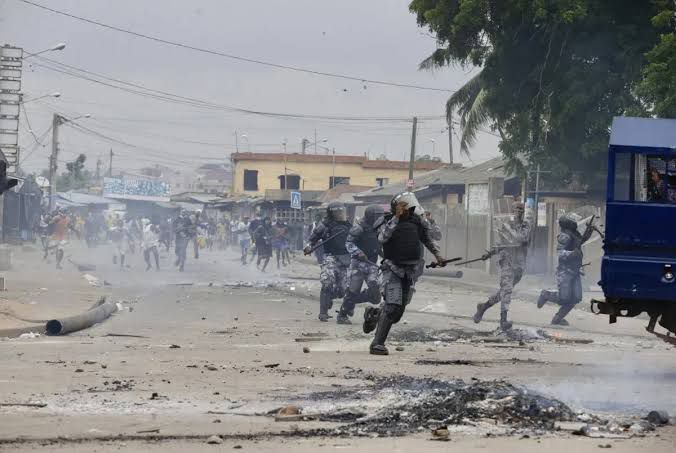

The Economic Community of West African States (ECOWAS) has broken its silence and expressed deep concern over recent unrest in Togo, where clashes between security forces and protesters in the capital Lomé have resulted in multiple deaths and injuries.
In a delayed statement issued late Tuesday, ECOWAS said it “regrets the loss of life” and called on all parties to exercise restraint, engage in meaningful dialogue, and prioritize the national interest. The regional bloc’s Commission also reaffirmed its readiness to assist in efforts aimed at preserving peace and stability in the country.
The protests, which began in early June, were sparked by public anger over the continued rule of President Faure Gnassingbé, who has been in power for two decades following the death of his father, Gnassingbé Eyadéma, who ruled Togo for nearly 38 years.
The latest wave of demonstrations peaked on June 26, when thousands took to the streets of Lomé in a mass mobilization led by artists and social media influencers. The protests were met with a harsh crackdown by security forces, leaving at least seven people dead and dozens injured, according to local sources and rights organizations.
Initially, around 50 protest leaders—including doctors, academics, and cultural figures—were detained. Some were later released by order of the Attorney General. However, the government maintains that the protests were unauthorized and disruptive to public order.
Human rights groups have sharply criticized the government’s heavy-handed response and demanded protection for peaceful demonstrators. Several civil society and opposition groups, including the “Don’t Touch My Constitution” movement, have called for an international investigation into the killings, citing skepticism about the transparency and effectiveness of domestic inquiries.
The crisis has also been fueled by a recent constitutional amendment, introduced by President Gnassingbé, which transitions Togo from a presidential to a parliamentary system. Under the revised framework, the president now holds the role of prime minister, concentrating all executive powers in his hands—effectively allowing him to remain in power indefinitely.
Opposition parties have rejected the constitutional changes, accusing the ruling administration of manipulating the political system to prolong the Gnassingbé family’s decades-long grip on power.
With tensions running high, ECOWAS’ appeal for calm and dialogue underscores the delicate situation in Togo and the need for inclusive political solutions that address the demands of a population increasingly vocal about democratic reform and accountable governance.


