
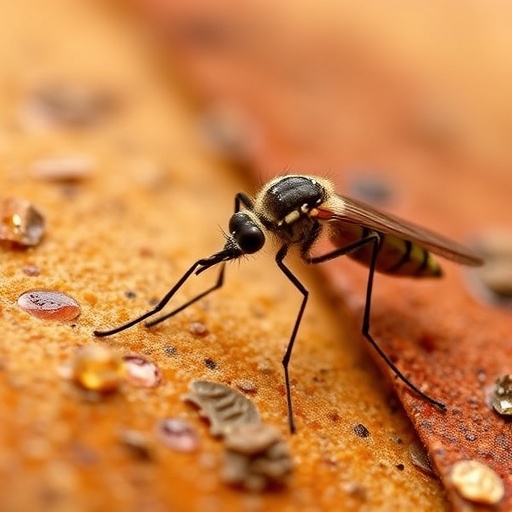

A major new scientific study has warned that climate change could sharply increase malaria infections and deaths across Africa in the coming decades — not only because of rising temperatures, but mainly due to floods and storms that disrupt health systems and malaria control efforts.
Published in the journal Nature, the study was led by Peter Gething from the Malaria Atlas Project and draws on more than 25 years of data. Researchers combined climate information with health, socioeconomic and malaria control records to assess how the disease may evolve under future warming scenarios.
The findings suggest that climate change could result in 123 million additional malaria cases between 2024 and 2050, along with more than 530,000 extra deaths, if malaria control efforts remain at today’s levels.
While the exact figures vary depending on the severity of climate change, the authors say the overall trend is clear: climate impacts pose a serious threat to decades of progress against malaria in Africa.
Extreme Weather Emerges as the Main Driver
Unlike many earlier studies that focused mainly on ecological factors — such as warmer temperatures creating better conditions for mosquitoes — this research highlights that extreme weather events are likely to be the primary cause of increased malaria burden.
The study estimates that 79% of the additional malaria cases and 93% of the additional deaths could be driven by disruptive climate impacts, including floods and cyclones, rather than gradual ecological changes alone.
Floods and storms can damage homes, destroy protective bed nets, interrupt insecticide spraying campaigns, and cut off access to healthcare and treatment. In rural and vulnerable communities, even short-term disruptions can lead to sharp surges in malaria transmission.
For example, flood-related destruction of roads and clinics can delay diagnosis and treatment, while damaged housing may leave families more exposed to mosquitoes.
Most Increases Will Occur in Already Endemic Areas
The researchers emphasize that most of the additional malaria burden is not expected to come from the disease spreading into entirely new regions, but rather from intensification in places where malaria already exists.
The study projects that only a very small share of additional cases will occur outside current transmission zones. Instead, climate change will mainly worsen malaria risk in high-burden regions.
Areas projected to face particularly large increases include: Southern and central Nigeria, The African Great Lakes region (including parts of Kenya, Uganda, Rwanda and eastern Democratic Republic of Congo), Angola and Zambia and cyclone-prone coastal zones of southeast Africa
A Major Challenge for Malaria Eradication Goals
The findings come at a critical moment. After years of declining malaria rates in Africa — thanks to insecticide-treated nets, effective drugs and improved housing — progress has slowed over the past decade.
The study warns that climate change could undermine these gains and make global eradication targets far harder to reach by mid-century.
The authors call for urgent investment in climate-resilient malaria control strategies, such as: strengthening health and supply chain infrastructure, expanding early warning and emergency response systems, ensuring continued access to treatment during floods and disasters, and developing new tools less vulnerable to climate disruption.
The study concludes that climate change is no longer a distant future threat. It is already reshaping disease risks across Africa, and without rapid action, malaria could become significantly harder to control in the decades ahead.


