

Archaeological discoveries across Africa are continuing to shed light on the continent’s ancient societies, with new excavations and finds in August revealing tombs, settlements, industrial sites and evidence of prehistoric life spanning thousands of years.
From Egypt’s Western Desert and Nile Delta to Senegal and Angola, the latest findings are helping researchers reconstruct how ancient African communities lived, buried their dead, produced tools and developed technologies.
Here are some of the most notable archaeological discoveries and findings reported or highlighted in August 2026:
Egypt’s Bahariya Oasis Reveals Three Ancient Tombs
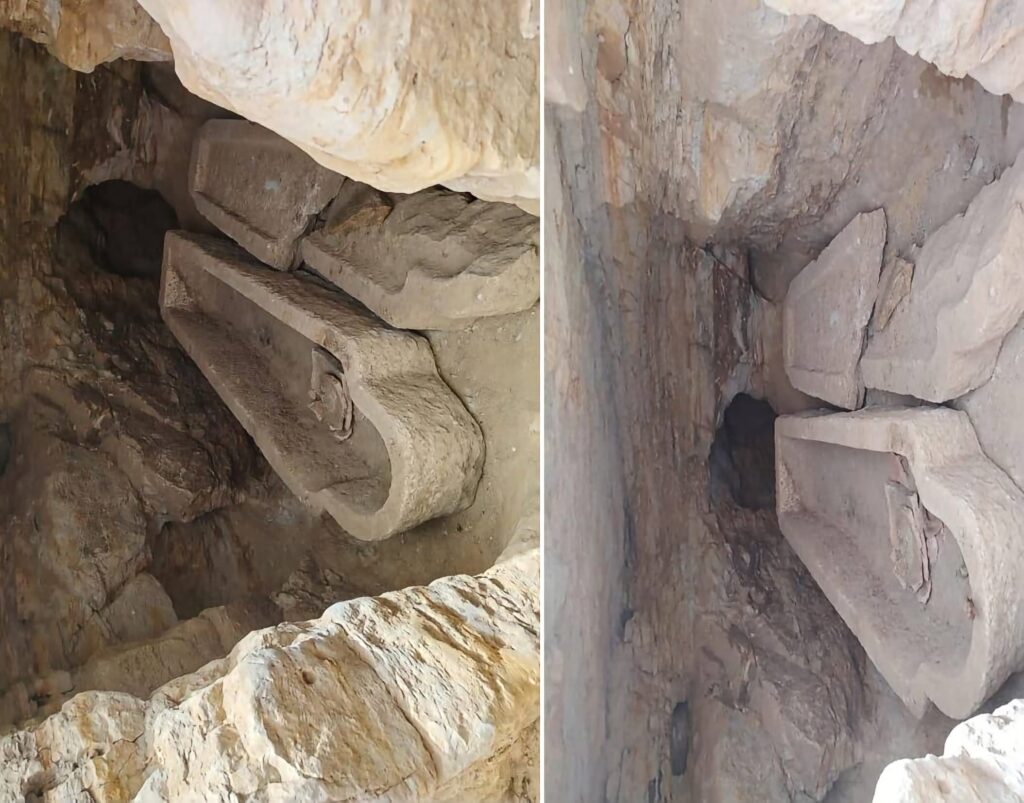
An Egyptian archaeological mission has uncovered three tombs dating to different periods of ancient Egyptian history at the Sheikh Soby archaeological site in the Bahariya Oasis.
The discovery includes mummies, limestone and pottery coffins, pottery vessels, offering tables and votive terracotta figurines, providing new evidence of funerary and religious practices in the oasis.
The first tomb is a collective rock-cut burial carved into sandstone and appears to have been used by a family of five. Archaeologists found five limestone coffins containing linen-wrapped mummies in two burial chambers.
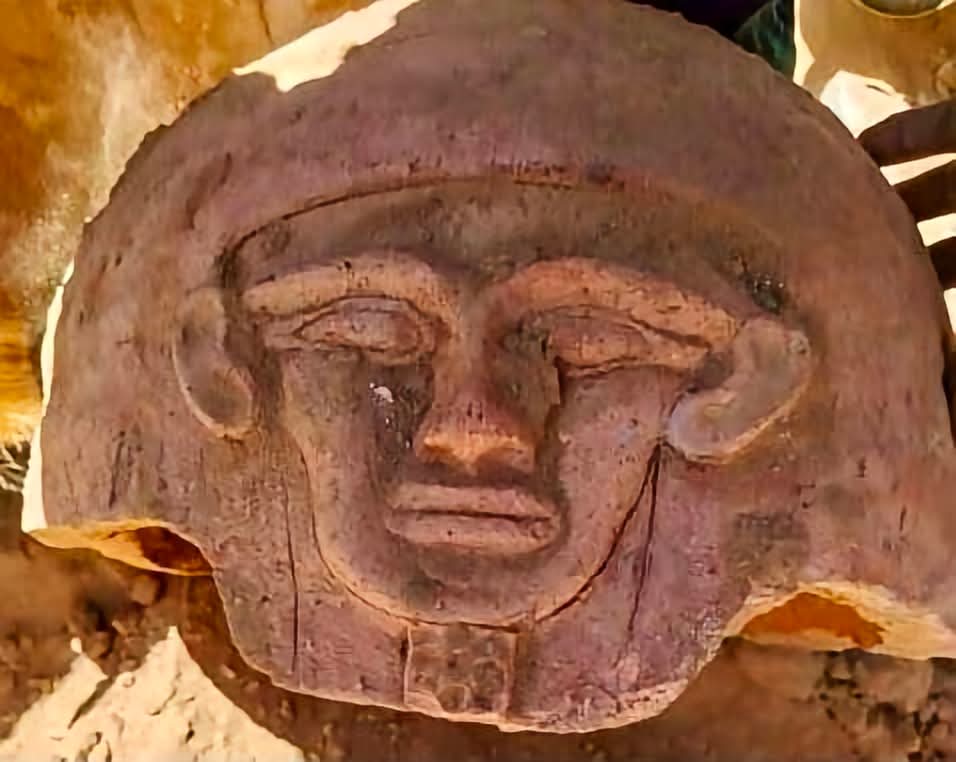
Two other tombs are believed to date to the Roman period. One appears not to have been used, while the other contains fragments of pottery coffins, a limestone coffin and a cylindrical pottery coffin bearing a human-face relief.
The finds add to evidence of Bahariya’s long history as a settlement and burial centre, where communities continued to develop their own traditions while interacting with wider Egyptian society.
Kom El-Khelgan Uncovers Thousands of Years of Nile Delta History
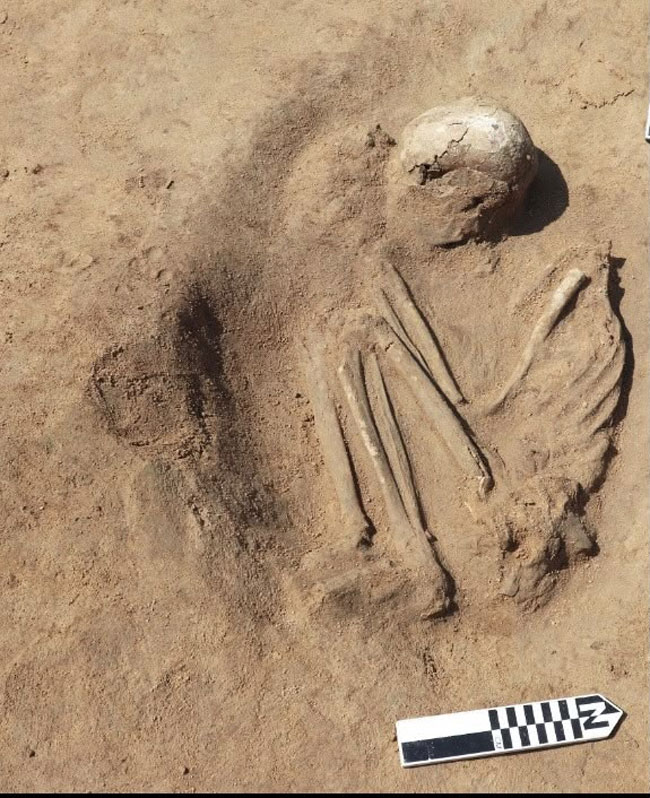
In Egypt’s Dakahlia Governorate, archaeological excavations at Kom El-Khelgan have revealed an extensive cemetery and settlement documenting successive periods of occupation.
The site includes 110 tombs dating from the Predynastic Period through later phases of Egyptian history, while excavations have also uncovered mudbrick structures, grain silos, ovens and hearths linked to a settlement dating to the Second Intermediate Period.
The discoveries provide evidence not only of burial practices but also of everyday life, including food production, storage and domestic activity.
The archaeological site underscores the importance of the Nile Delta as a major centre of human settlement and cultural development over thousands of years.
Senegal’s Ancient Ironworking Industry
Archaeological research in eastern Senegal is offering new insight into the development of iron production in West Africa.
At the Didé West 1 site, researchers identified 25 furnaces, 30 tuyeres and about one tonne of iron-production slag.
The workshop, which is believed to have operated between about 400 BC and AD 400, provides evidence of organised metal production in the region more than 1,500 years ago.
The scale and preservation of the remains are particularly significant for researchers studying the origins and development of ironworking technologies in West Africa.
The site could also help archaeologists understand the economic and social organisation of communities involved in producing metal tools and agricultural equipment.
Ancient Burials in Angola
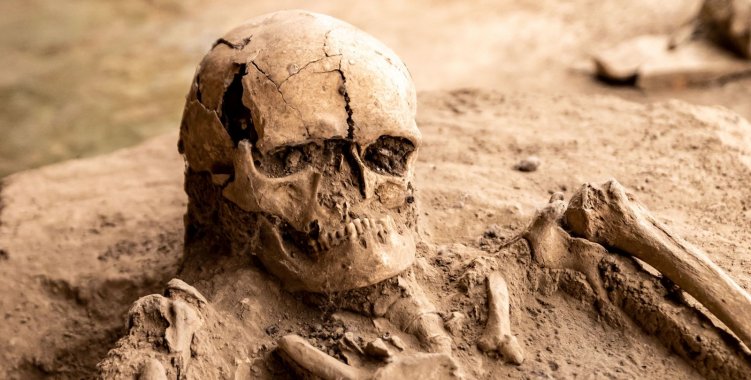
Archaeological research in Angola has also highlighted the diversity of ancient funerary practices in Central Africa.
Excavations at a 15th-century archaeological site uncovered some of Angola’s oldest known burials, including evidence described by researchers as the country’s only known ancient cremation.
The site is located in an area affected by construction of the Caculo Cabaça dam, making archaeological documentation particularly important before parts of the landscape are transformed.
The finds provide rare evidence of how communities in the region treated their dead before the colonial period and contribute to a broader understanding of precolonial societies in Angola.


