
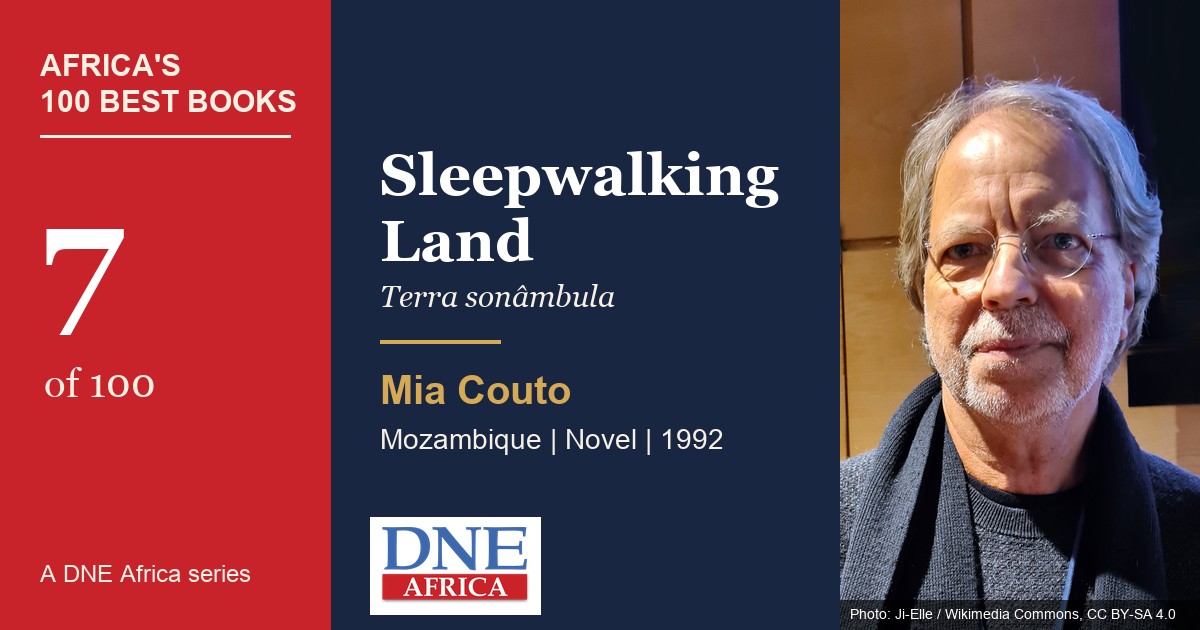

Sleepwalking Land, the 1992 first novel by Mozambique’s Mia Couto, follows an old man and a boy through a country wrecked by civil war, and argues from its first pages that the war came from within.
Africa’s 100 Best Books, No. 7 of 100. See the full list and every article in the series.
That argument is easy to miss. Early in the book a father tells his children that the fighting is a confusion from outside, brought by those who had lost their privileges, which was close to the official account of the time. A page later his son, the narrator of the notebooks at the novel’s heart, writes the line that answers him: “War is a snake that uses our own teeth to bite us.” Sleepwalking Land is built in the space between those two sentences.
The standard account is brief. Terra sonâmbula was published in Lisbon by Editorial Caminho in 1992, the year Mozambique’s 16-year war ended with a peace accord signed in Rome. David Brookshaw translated it into English as Sleepwalking Land (Serpent’s Tail, 2006). The jury of Africa’s 100 best books of the 20th century placed it in its top 12, according to the African Studies Centre Leiden, and it was the work read by the jury that gave Couto the Neustadt International Prize for Literature in 2014.
A note on method: the novel is in copyright. DNE Africa read the opening chapter and the start of the first notebook in the Portuguese original, in the free extract published by Companhia das Letras, its Brazilian publisher; the quotations here come from that text, in our translation, with page numbers from that edition.
Table of Contents
In this article
What is Sleepwalking Land about?
The novel opens on a dead road. “In that place, the war had killed the road,” the first sentence reads (page 9). An old man, Tuahir, and a boy, Muidinga, have fled a camp for displaced people. The boy limps; he had nearly died of an illness, and Tuahir, who took him in when others abandoned him, had to teach him everything again: to walk, to speak, to think. Muidinga wants to find his parents. Tuahir doubts they will want him.
They take shelter in a burnt-out bus, a machimbombo in Mozambican Portuguese, its seats still holding the charred dead. “What has already burned will not burn again,” Tuahir reasons (page 10). They bury the bodies and find, beside one more corpse, a suitcase. Inside are clothes, food and a set of school exercise books covered in uncertain handwriting.
Tuahir wants the paper for kindling. Muidinga tears off a single cover to start the fire, then sits beside it and discovers that he can read. That small scene carries the book’s faith in writing: the notebooks are saved from the flames, and from then on the novel alternates between the road and the eleven notebooks of Kindzu, a young man from a fishing village on the coast who set out on a journey of his own as his family broke apart. How the two stories meet is the novel’s quiet revelation, and is not given away here.
Whose war does the novel describe?
The war is never named, and no army is identified. Its marks are everywhere: burnt cars along the verges, looted villages, “bandos” (armed bands) on the roads, hunger and fear of the dark. Historically, it is the war fought from the late 1970s until 1992 between the Frelimo government and the Renamo movement, which the government long described as foreign-backed destabilisation.
Kindzu’s first notebook frames that account with care. His father, Taímo, dressed in a suit and tie to announce independence and wanted to name his last child after the date, 25 June. When the war came, Taímo said it was a confusion from outside. The son’s reply is the image of the snake that bites with our own teeth (page 17): a war that turns a people’s strength against itself, in families as much as on battlefields. Published as the peace accord was signed, Sleepwalking Land made that uncomfortable point while the official story still prevailed.
What do Mozambican critics say about it?
At home the welcome was mixed. Fátima Mendonça of Eduardo Mondlane University in Maputo, one of Mozambique’s leading literary historians, titled a 2008 essay on him “Mia Couto, le mal-aimé” (the unloved) in the journal Études littéraires africaines. She described a reception in Mozambique that had been ambiguous since his first book of prose, and a controversy that hardened a view of literature then dominant in some Mozambican literary circles. Gilberto Matusse, another Mozambican scholar, had by then made Couto one of three writers, with José Craveirinha and Ungulani Ba Ka Khosa, in his 1993 study of how Mozambican literature built an image of “moçambicanidade”, Mozambican identity.
The most detailed recent reading comes from a linguist. Alexandre António Timbane, a Mozambican who teaches at the University of International Integration of Afro-Brazilian Lusophony (UNILAB) in Brazil, wrote with Ivonete da Silva Santos in the journal Jangada in 2020 that the characters speak neither Portugal’s nor Brazil’s Portuguese, but Mozambique’s. Its words and syntax survived, they wrote, even the Brazilian publisher’s adaptations. They read Tuahir and Muidinga’s search as a search for an identity broken by war, conducted in Portuguese, the only official language in a country with more than 20 African languages.
Timbane and Santos also made a point that local readers know well: the novel’s war is rural, but the real one also struck towns, among them Maputo, Beira, Tete, Chimoio and Xai-Xai. Sleepwalking Land chooses the road and the bush, and leaves the cities out.
Who is Mia Couto?
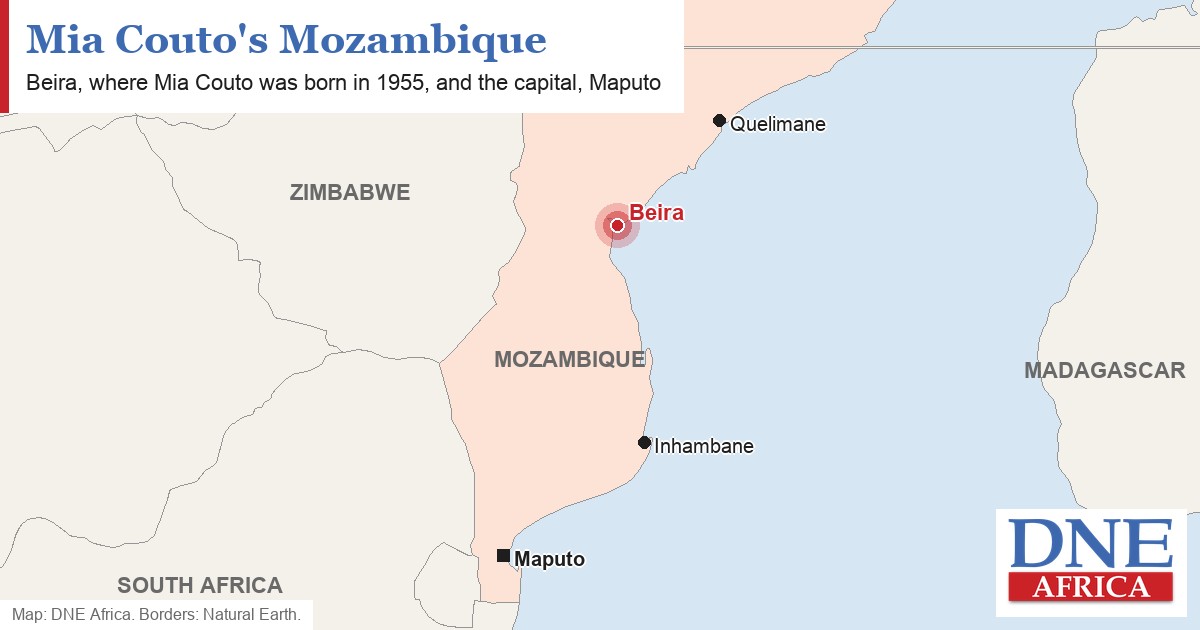
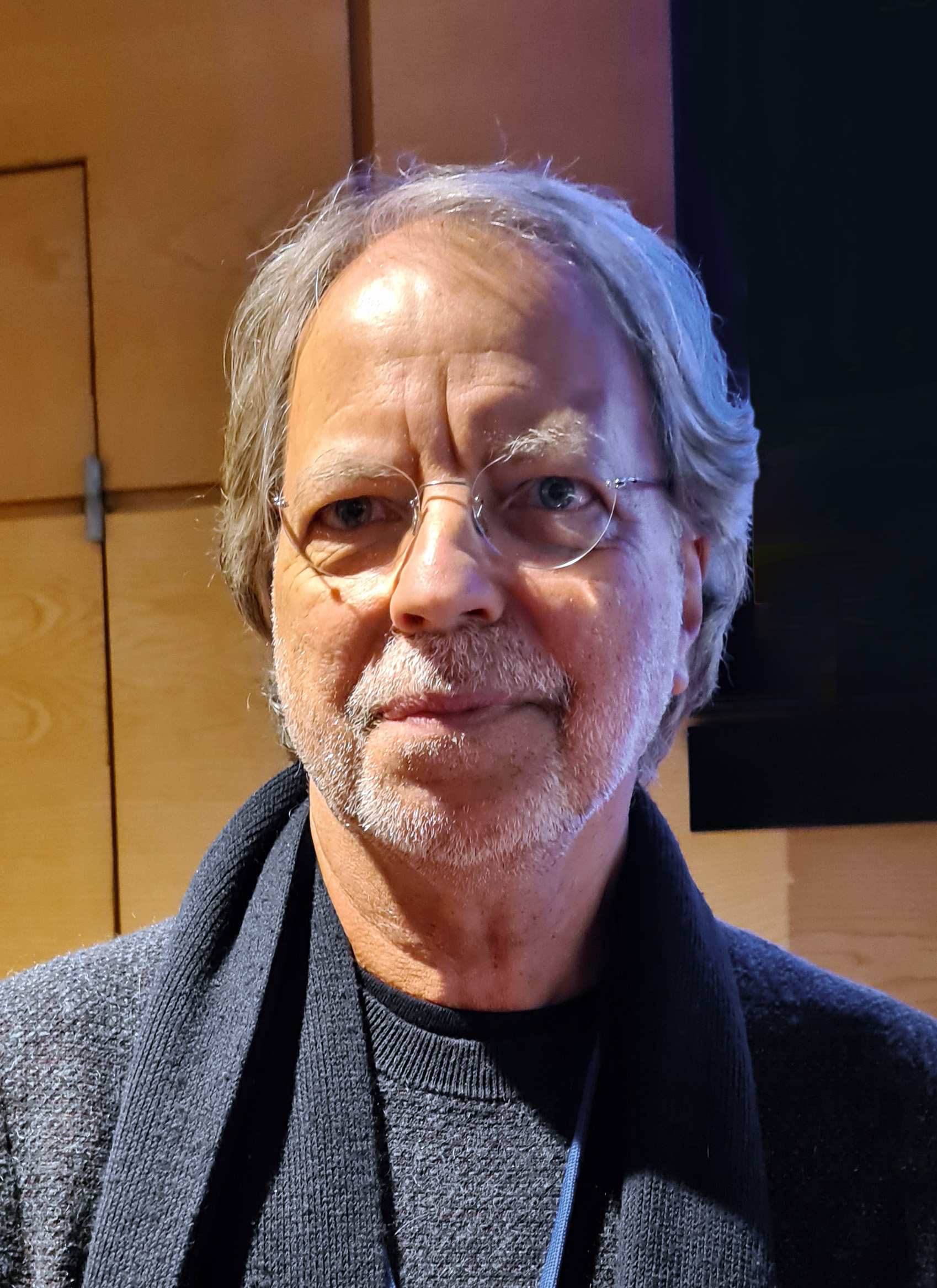
Mia Couto, born António Emílio Leite Couto in Beira in 1955 to Portuguese parents, is a biologist as well as a writer, according to the Neustadt Prize. He interrupted medical studies for a career in journalism around independence, and later returned to university to study biology.
His first book was poetry, in 1983, followed by short stories; Sleepwalking Land was his first novel. He won the Camões Prize, the leading award for literature in Portuguese, in 2013 and the Neustadt in 2014. He is still writing, and still being honoured. On 18 November the English edition of The Cartographer of Absences, set in Beira and also translated by Brookshaw, was nominated for the 2027 Dublin Literary Award by Porto’s Almeida Garrett library, Club of Mozambique reported, citing Lusa.
In Mozambique his name now sits on a prize for younger writers. The Mia Couto Literary Prize, funded by the port operator Cornelder de Moçambique and presented at the Beira Book Fair organised by the Kulemba association, rewards the year’s best book by Mozambican authors. In September 2025 it went to Léo Cote for the poetry collection Instalação do Corpo and Mélio Tinga for the prose work Névoa na Sala, each receiving 400,000 meticais, Club of Mozambique reported. The jury was chaired by the Mozambican scholar Nataniel Ngomane.
How does the language of Sleepwalking Land work?
Couto bends Portuguese the way Mozambicans speak and play with it. In the opening pages alone the boy “se meninou” (became a child again), the savanna watches the world “desflorir” (unbloom), the night goes on “enluarando” (mooning over), Tuahir asks to be read to “para me dormecer” (to sleep me), and Taímo is a “estorinhador”, a teller of little stories. The Brazilian edition states that it kept Mozambique’s spelling, and it ends with a glossary of local words.
Much of this is untranslatable, and Brookshaw’s English, by necessity, smooths some of it. What survives in any language is the rhythm of proverb and the logic of dreams: Taímo receives news of the future from the ancestors, and the shadow of Kindzu’s grieving mother grows until it is the size of the whole earth. The style can tip into whimsy, and readers who want a plain account of the war will find it oblique. But the strangeness is the point: a country that could no longer trust its official language of events needed a new one.
How does the novel read today?
Sleepwalking Land is a war novel almost without battles, which is its strength. It shows a war through its aftermath on ordinary people: the displaced, the orphaned, those who keep reading. Its refusal to name sides now looks less like evasion than like foresight, as Mozambique has since had to live with renewed violence, from clashes with Renamo after 2013 to the insurgency in Cabo Delgado since 2017.
Like Ngũgĩ wa Thiong’o’s A Grain of Wheat, No. 4 in this series, it asks what a war does to the people who survive it rather than who won. And like Assia Djebar’s Fantasia: An Algerian Cavalcade, No. 6, it treats written pages, saved from the fire, as the only reliable record. Thirty-four years on, Sleepwalking Land reads as a book about how a nation tells its own story once the guns stop.
Questions for discussion
- Muidinga nearly burns the notebooks and then reads them instead. What does the novel suggest about the value of writing in wartime?
- Taímo calls the war a confusion from outside; his son calls it a snake biting with our own teeth. Which view does the novel support, and why might that have mattered in 1992?
- Why do you think Couto never names the armies or the places of the war?
- How does the relationship between Tuahir and Muidinga change what “family” means in the book?
- Couto invents words and bends Portuguese grammar. What is gained, and what is lost, when the novel is read in translation?
- The novel’s war is fought on roads and in the bush. Does leaving out the cities change the picture of the war it gives?
Read next in the series
- A Grain of Wheat by Ngũgĩ wa Thiong’o (Kenya), No. 4: a village counts the cost of an independence war.
- Ualalapi by Ungulani Ba Ka Khosa (Mozambique), No. 52: Mozambican history retold through the last Gaza emperor (coming soon).
- We Killed Mangy-Dog by Luís Bernardo Honwana (Mozambique), No. 39: colonial Mozambique seen through children’s eyes (coming soon).
More from Africa’s 100 Best Books
- Previous, No. 6: Fantasia: An Algerian Cavalcade by Assia Djebar (Algeria)
- Next, No. 8: Chaka by Thomas Mofolo (Lesotho) (coming next in the series)
- All 100 books in the series
FAQ
Who wrote Sleepwalking Land?
Mia Couto, the Mozambican novelist and biologist, born in Beira in 1955. The Portuguese original, Terra sonâmbula, was published by Editorial Caminho in Lisbon in 1992.
What is Sleepwalking Land about?
An old man and a boy fleeing Mozambique’s civil war shelter in a burnt-out bus and find the notebooks of a young man named Kindzu. The novel alternates between their journey and his.
Who translated Sleepwalking Land into English?
David Brookshaw, whose translation was published by Serpent’s Tail in 2006. He has translated several of Couto’s books.
Is there a film of Sleepwalking Land?
Yes. The director Teresa Prata adapted it as Terra Sonâmbula, shot in Mozambique with a largely non-professional cast and first shown at the Montreal World Film Festival in 2007.
What prizes has Mia Couto won?
They include the Camões Prize in 2013 and the Neustadt International Prize for Literature in 2014.


