
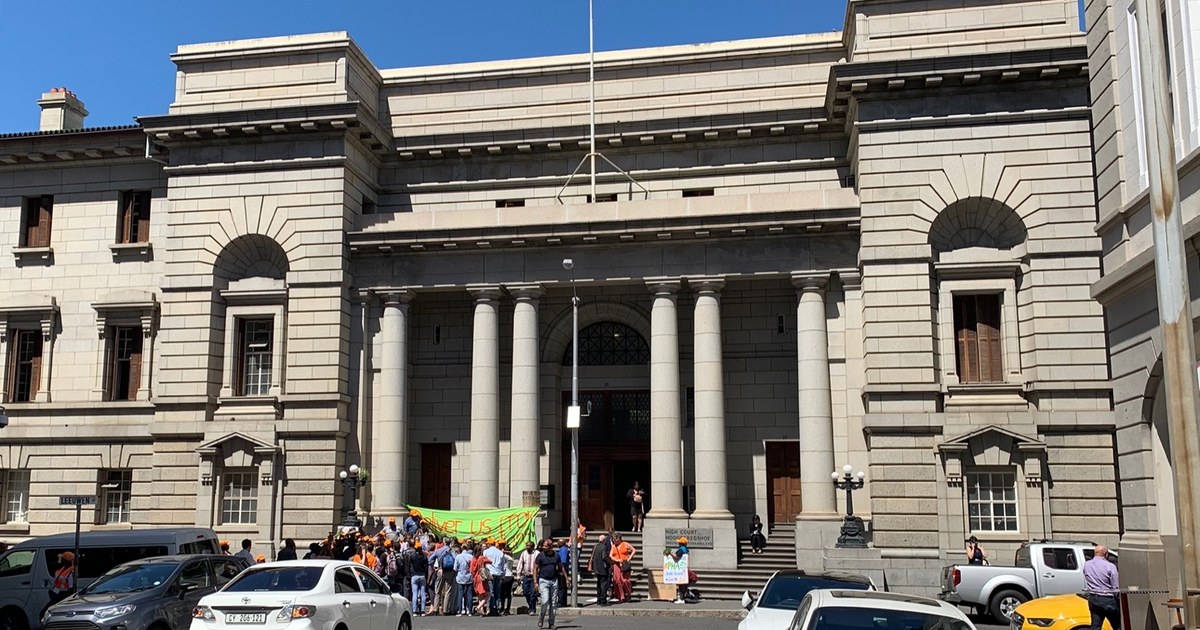

South Africa’s Western Cape High Court on Wednesday set aside the Phala Phala report, the 2022 independent panel finding that President Cyril Ramaphosa may have a case to answer over the theft of foreign currency from his game farm.
The unanimous ruling by three judges removes the legal basis for Parliament’s impeachment inquiry as it stood, although the court said the president should not escape the process, which must now “proceed on a lawful foundation”.
What did the court rule on the Phala Phala report?
Judge President Nolwazi Mabindla-Boqwana, sitting with Judges Mark Sher and Ncumisa Mayosi, reviewed and declared unlawful both the Phala Phala report and any steps the National Assembly took because of it, according to the summary she read in court, as reported by IOL and The Citizen. Each party was ordered to pay its own costs.
The court found that the panel behind the Phala Phala report, chaired by former Chief Justice Sandile Ngcobo, never made the finding Parliament’s rules required. “The panel did not state in its report that there was sufficient evidence showing that the president committed a serious violation or serious misconduct, only that the information before it prima facie disclosed a case to answer,” the judge president said.
The panel was meant to act as a sifting body, not to adjudicate, the court said. It found the panel “went beyond its lawful remit, asked itself wrong questions, and made several material errors of law”.
Which findings did the judges reject?
The Phala Phala report dealt with four charges arising from the theft of foreign currency at the farm in Limpopo on 9 February 2020. On each, the court found fault with the panel’s reasoning:
- Paid work: the panel made a material error of law in holding that cabinet members could hold no business interests, ignoring the Executive Members’ Ethics Act, which allows disclosed interests that pose no conflict.
- Failing to report the theft: there was no sign the panel considered whether the president acted in bad faith, which a violation of that kind requires.
- Charges three and four: the panel wrongly assessed them together, disregarded Mr Ramaphosa’s response to the third, and found no evidence that any departure from procedure in the investigation by Major-General Wally Rhoode was on his instruction.
The judges said the Phala Phala report strayed into matters on which the president was never charged, such as the source of the currency, after submissions from the Economic Freedom Fighters (EFF) and the African Transformation Movement (ATM). It relied on a June 2022 affidavit by former spy chief Arthur Fraser that was largely hearsay, they found.
The court rejected the uMkhonto weSizwe (MK) Party’s argument that it lacked jurisdiction, finding that the Constitutional Court had made no binding ruling on the validity of the report. It also rejected the argument that the review came too late: Mr Ramaphosa filed on 26 May, weeks after the Constitutional Court’s judgment of 8 May.
What happens to the impeachment process now?
The impeachment process rests on section 89 of the Constitution, under which the National Assembly may remove a president for a serious violation of the law, serious misconduct or inability to perform, with a two-thirds majority.
In December 2022 the Assembly voted not to adopt the Phala Phala report. On 8 May 2026 the Constitutional Court found that vote unlawful, in a case brought by the EFF and the ATM, and Parliament set up a 31-member impeachment committee. Its hearings have been on hold since 24 July, when Mr Ramaphosa obtained an interdict pending this review.
With the Phala Phala report set aside, the committee has nothing lawful to act on.
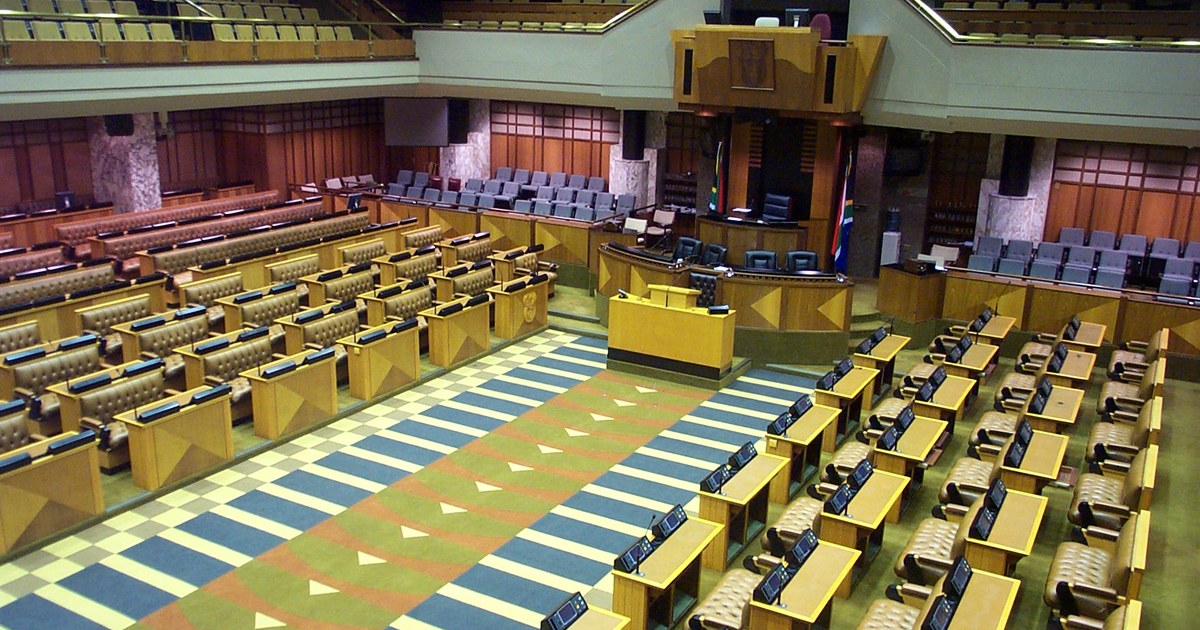
The judgment leaves it to Parliament to decide how to restart, and the parties that brought the original case may seek leave to appeal. DNE Africa found no statement from the Presidency, Parliament or the opposition parties by mid-morning on Wednesday.
What is the Phala Phala case about?
Mr Ramaphosa has denied wrongdoing throughout. He says the foreign currency stolen from a sofa at the farm was the proceeds of a sale of game, and that the theft was reported to his security head.
The ruling comes as the African National Congress, which Mr Ramaphosa leads, negotiates coalitions in big cities after losing ground in this month’s local elections, and as the IMF urges reforms to lift growth. This week he also promised an AI action plan.
FAQ
What is the Phala Phala report?
It is the November 2022 report of an independent panel set up under section 89 of the Constitution, which found that information before it showed President Ramaphosa may have committed serious violations or misconduct over the 2020 theft at his Phala Phala farm.
Why was the Phala Phala report set aside?
The Western Cape High Court found the panel applied the wrong test, went beyond the four charges, relied on hearsay and made material errors of law.
Does the ruling end the impeachment process?
No. The court said the president should not escape the process, but that it must proceed on a lawful foundation. Parliament must now decide how to proceed.
Who challenged the vote on the Phala Phala report?
The EFF and the ATM, whose case led the Constitutional Court to find the National Assembly’s December 2022 vote unlawful on 8 May 2026.


