
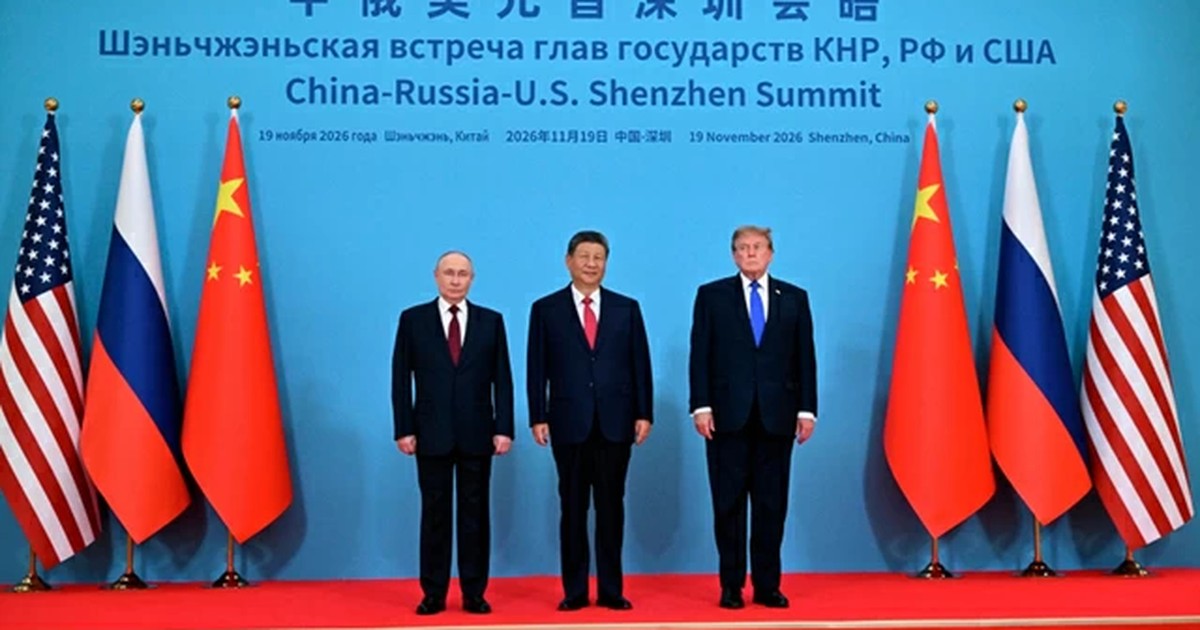

Military AI decisions should always involve humans, US President Donald Trump and Chinese President Xi Jinping agreed at their meeting in Shenzhen this week, US Treasury Secretary Scott Bessent said on Friday.
If confirmed by Beijing, the understanding would be one of the few concrete limits the two leading AI powers have set on the technology’s use in war, even as they compete for the lead in developing it.
What did Bessent say about military AI?
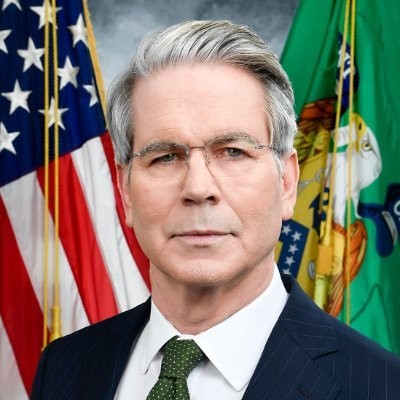
“I think it was very important that President Trump and President Xi agreed that humans should always be involved in any military decisions that SI makes, and the SI should not be allowed to be autonomous for major military actions,” Bessent told CNBC after returning from Trump’s trip to Asia, according to Reuters. “SI”, for “super intelligence”, is the Trump administration’s preferred term for advanced AI.
Bessent called the agreement one of the main achievements of the trip. Competition for AI supremacy would not affect it, he said, because “both sides agree that no major military operation should be launched without a human being involved”.
He also said US AI laboratories needed to keep their technological lead as the best defence against “dangerous” Chinese AI models that, he said, are being used in cyberattacks.
Has China confirmed the military AI agreement?
DNE Africa could not find a statement from the Chinese government or state media confirming the agreement as Bessent described it by Friday evening. Neither side has published a joint text, and Bessent did not say whether the commitment would be written down or how it would be checked.
It would build on earlier steps. In November 2024, Xi and then US president Joe Biden agreed that humans, not AI, should keep control over decisions to use nuclear weapons. After their summit in Washington in September 2026, Trump and Xi agreed to set up a channel to discuss risks from the most advanced AI, according to reports at the time.
There is no binding international treaty on autonomous weapons. Governments have discussed rules for lethal autonomous weapons systems at the UN in Geneva since 2014, under the Convention on Certain Conventional Weapons.
What else came out of the Shenzhen meeting?
The Trump-Xi talks took place alongside the first three-way summit of the US, Chinese and Russian leaders in Shenzhen, where the three pledged that a nuclear war must never be fought.
On chips, Bessent said Nvidia’s H200 remained the most advanced AI processor China could buy under licence, and that Chinese orders for it had been thin as Beijing builds its own chip industry. He said allegations involving former Nvidia chief executive Jensen Huang, now the subject of a subpoena from California, did not come up in the meeting.
Bessent said trade policy was discussed at length but gave no details. Decisions on proposed tariff cuts and on the future of the US-China tariff truce appear to have been left to a fourth Trump-Xi meeting at the G20 summit in Miami in mid-December, Reuters reported.
What happens next?
Any written commitment on military AI would most likely emerge from the G20 meeting or from the AI channel the two governments set up this year. Until Beijing confirms it, the military AI pledge rests on the US account.
FAQ
What did Trump and Xi agree on military AI?
According to US Treasury Secretary Scott Bessent, they agreed that humans should always be involved in military decisions that use AI, and that AI should not act autonomously in major military operations.
Has China confirmed the military AI agreement?
DNE Africa found no Chinese government statement confirming it by Friday evening, and no joint text has been published.
Is there an earlier US-China agreement on AI and weapons?
Yes. In November 2024, Xi and Joe Biden agreed that humans should keep control over decisions to use nuclear weapons.
When will Trump and Xi meet again?
A fourth meeting is expected at the G20 summit in Miami in mid-December, according to Reuters.


