

The World Health Organization’s Africa office has added artificial intelligence to its polio surveillance dashboards, letting officials across 47 countries ask questions in plain language and get maps, charts and summaries back.
The tools are meant to cut the time outbreak teams spend waiting for analysts to pull together data, according to a statement from the WHO Regional Office for Africa, issued for GIS Day on 18 November.
How does AI help polio surveillance?
The WHO Africa GIS Centre receives surveillance and operational data every week from the region’s 47 countries, from poliovirus detections and laboratory results to vaccination coverage and health facility visits. Producing a district map or country summary used to take several manual steps, the agency said.
Now an officer can ask, for example, for detections of circulating vaccine-derived poliovirus type 2 (cVDPV2) by district in a given country since January 2026, and receive a visual breakdown. The Poliovirus Detection Dashboard can also write summaries from current and archived records.
“By bringing together data across the different interventions, the program is able to identify potential surveillance gaps and identify areas with suboptimal campaign performance,” said Kebba Touray, head of the GIS Centre. Similar tools are being used to track delayed vaccination campaigns and the reasons for delays.
Why does polio surveillance still matter in Africa?
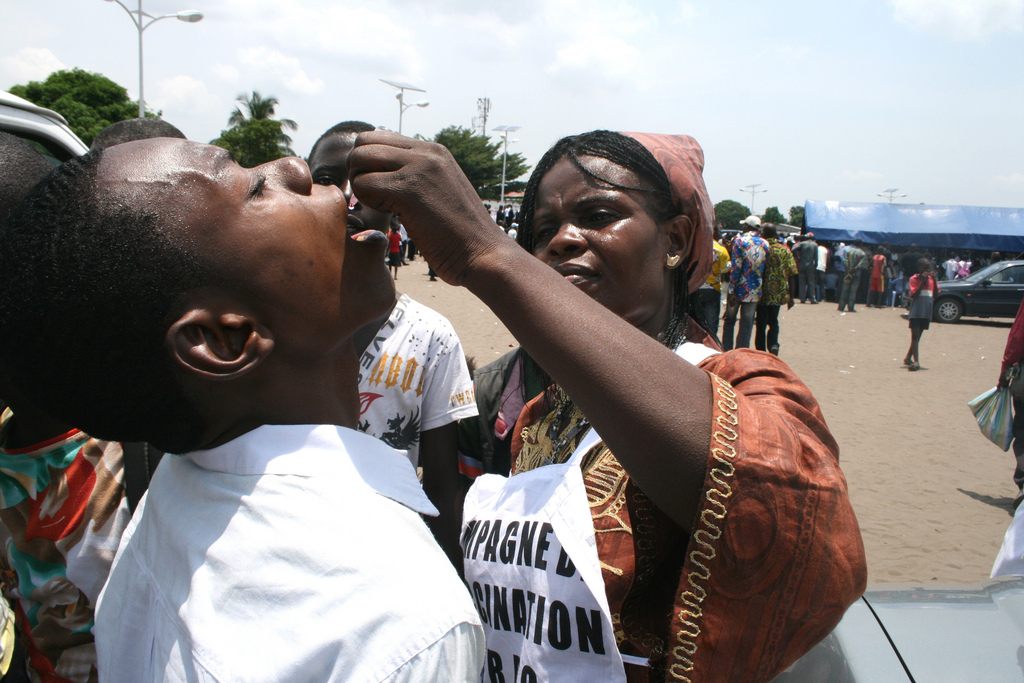
The African region was certified free of wild poliovirus in 2020, but outbreaks of cVDPV2, which can emerge in under-immunised communities, continue in several countries, including Nigeria, as we have reported on gaps in its data. The WHO said AI does not replace epidemiological expertise or human verification of polio surveillance data.
FAQ
What has WHO Africa added to its polio surveillance tools?
AI functions that let users ask questions in plain language and receive maps, charts, tables or written summaries from its dashboards.
How many countries does it cover?
The WHO African region’s 47 countries, which report surveillance data weekly.
Does AI replace health experts?
No. The WHO said it gives faster access to information but does not replace expertise or human verification.


