
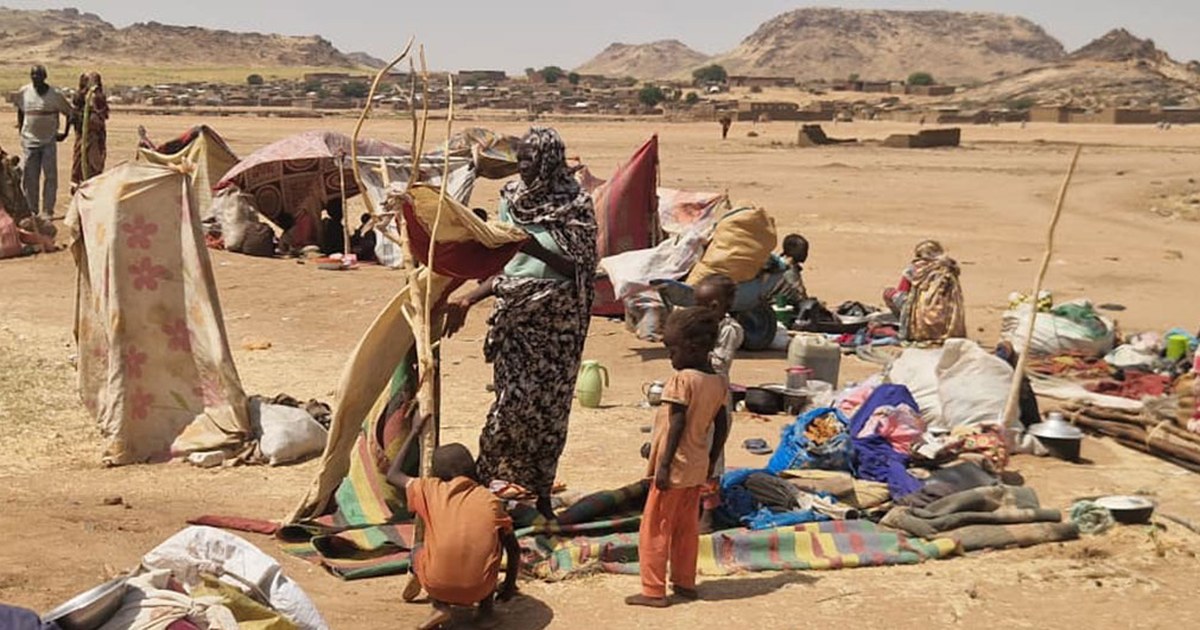

Sudan malnutrition treatment is running short of supplies, with stocks exhausted at 91 stabilisation centres in five states, Sudan Tribune reported on Sunday, citing a World Health Organization report for October.
The centres treat the gravest Sudan malnutrition cases, children with severe acute malnutrition and medical complications, the most dangerous form of the condition. Any break in supplies comes as the WHO says its own appeal for Sudan is less than a quarter funded and as famine risks grow in Darfur and Kordofan.
What did the report say about Sudan malnutrition centres?
Supply chains for nutrition products had been hit by funding shortfalls and by operating limits linked to conflict and displacement, leading to stockouts at 91 centres in five states, Sudan Tribune reported, quoting the WHO’s monthly health report. The paper did not name the five states.
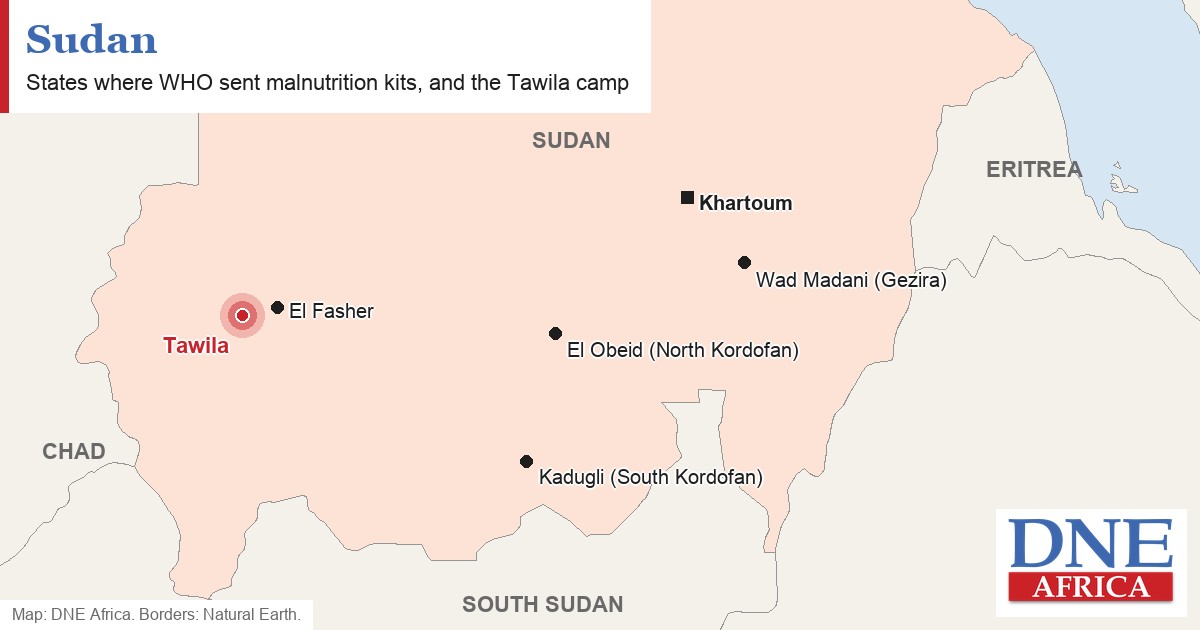
According to the same report, Sudan has 211 stabilisation centres, of which 154 are working, and they had admitted 26,268 children with severe acute malnutrition and complications by the end of September. The WHO supports 27 of the working centres in 12 states and sent 234 treatment kits, enough for about 11,700 children, to North Kordofan, South Kordofan, Khartoum and Gezira, the paper said.
DNE Africa could not locate the WHO report itself, and its figures differ from the WHO’s last public statement. On 12 October the WHO said it had supported “all 161 operational nutrition stabilization centres” in 2026, helping to treat more than 26,000 such children between January and August. The WHO had not commented on the stockout figure by Sunday evening.
How severe is Sudan malnutrition?
The UN nutrition sector estimates that 8.4mn children under five and pregnant and breastfeeding women need nutrition help in 2026, Sudan Tribune reported, including about 5mn young children. It said 4.19mn people need treatment for acute malnutrition this year, among them about 825,000 children under five with the severe form.
Unicef said on 2 November that 49 per cent of nutrition surveys carried out in Sudan in 2026 were above the WHO’s emergency threshold of 15 per cent acute malnutrition, according to the same report.
The Integrated Food Security Phase Classification (IPC), of which the WHO is a member, warned in October of a growing risk of famine in parts of Greater Darfur and Greater Kordofan. It cited conflict, mass displacement, an El Nino-induced drought affecting about half the country and too little humanitarian funding.
Why are Sudan malnutrition supplies running short?
Funding is the main constraint. Only 23 per cent of the WHO’s $97.7mn humanitarian appeal for Sudan for 2026 had been funded by October, the agency said. The World Food Programme has also cut hundreds of thousands of people from food aid because of funding gaps.
The war between the army and the Rapid Support Forces, now in its fourth year, has also hit the health system directly. The WHO has verified 228 attacks on health care since April 2023, which killed 2,055 people, and 37 per cent of health facilities had stopped working by 2026, it said. The agency recently warned of urgent needs in North Kordofan.
What happens next?
The lean season and the El Nino drought are expected to worsen Sudan malnutrition and push more children into severe malnutrition in the coming months. Whether centres are restocked will depend on new funding and on safe access for supply convoys in frontline areas, particularly in North and West Kordofan, which the IPC singled out.
FAQ
How many Sudan malnutrition centres ran out of supplies?
Sudan Tribune, citing a WHO report for October, said stocks ran out at 91 stabilisation centres in five states. DNE Africa could not independently verify the figure.
What is a stabilisation centre?
An inpatient unit that treats children with severe acute malnutrition who also have medical complications, the group at highest risk of death.
How much of the WHO’s Sudan appeal is funded?
Only 23 per cent of its $97.7mn appeal for 2026 had been funded as of October, the WHO said.
Where is Sudan malnutrition worst?
The IPC has warned of a growing risk of famine in parts of Greater Darfur and Greater Kordofan.


