
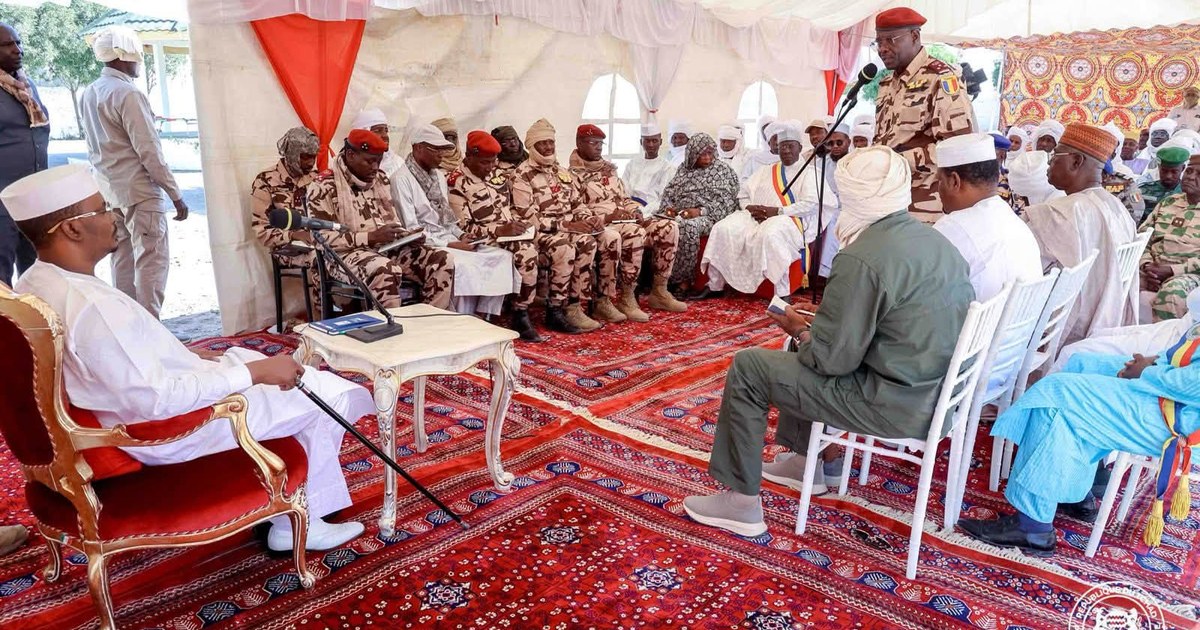

Chad’s President Mahamat Idriss Deby said civilians holding weapons of war would face trial, as he ended a tour on Chad intercommunal violence on Sunday in Ngoura, where 25 people died last month.
The order, first given in Batha province and extended to the whole country, targets the guns that turn local disputes over water and grazing into deadly clashes. Such fighting has killed hundreds of people in Chad in the past two years and, with the strain of refugees from Sudan’s war, has become a main test of security outside the capital.
What did Deby order on his tour?
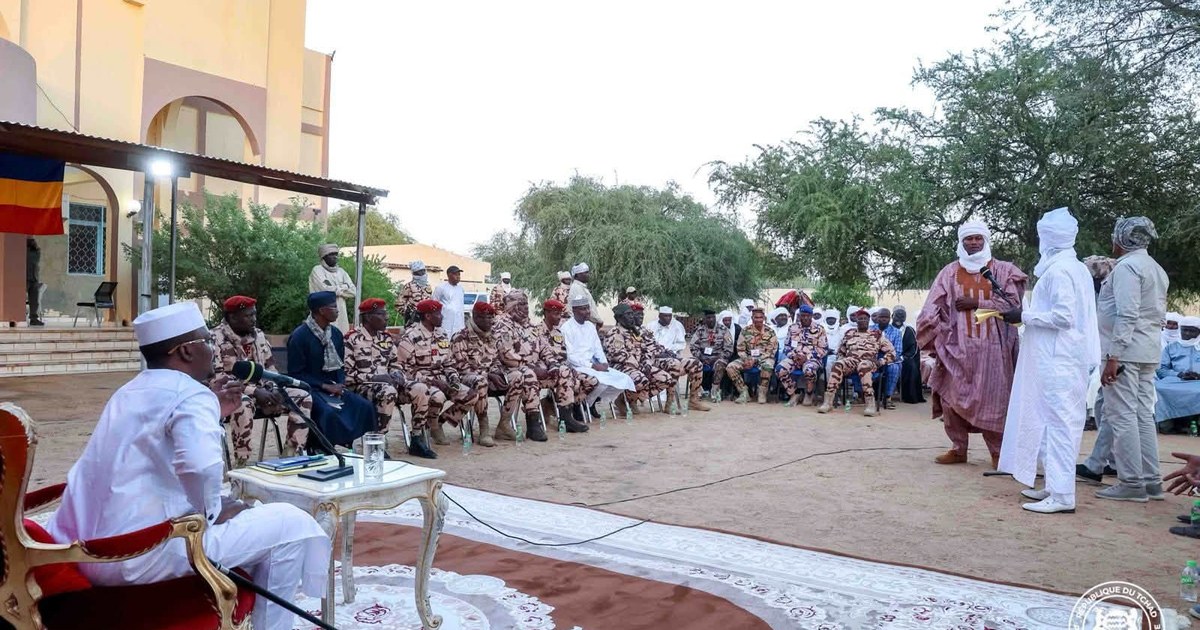
“From this day and across the whole national territory, anyone caught in the act of holding a weapon of war will be handed to the justice system to answer for their actions,” Mr Deby told officials, military chiefs and community leaders in Ati, the capital of Batha, according to the Presidency. He also said land belonged to the state and that no sultan or canton chief could bar any Chadian from living or working on it. The quotes are translated from French.
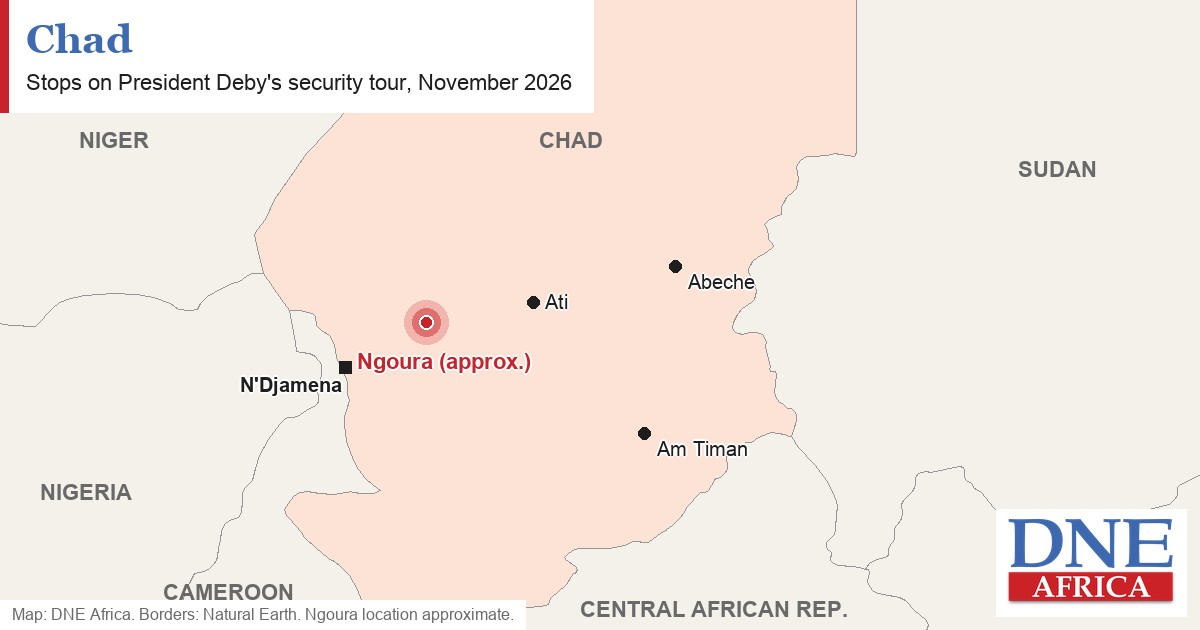
In Ngoura, in Hadjer-Lamis province, he said he would send substantial extra security forces to the department and repeated that civilians with weapons of war would face trial, the Presidency said. He did not give numbers or a timetable.
The tour, which Alwihda Info said ended in Ngoura, also took him to Ennedi Ouest, Wadi Fira, Ouaddai and Salamat. In Ennedi Ouest he told the water ministry to build livestock water points in a disputed grazing area within three months, according to the Presidency.
What happened in Ngoura?
Clashes between the Kreda and Kouka communities on 30 October, around Koula on the border of Hadjer-Lamis and Barh El-Gazel provinces, killed at least 25 people and wounded 22, the territorial administration ministry said, according to Channels Television. The fighting began with a dispute at a water point, a local MP told AFP. Thirty-nine people were arrested and taken to N’Djamena, Points Chauds reported.
The Presidency said the two communities had first fought in 1985 and that Mr Deby had reconciled them on Sunday, with both pledging to give up violence. Early reports, including one carried by La Libre, had put the toll at seven before the government’s higher figure.
How serious is Chad intercommunal violence?
Deadly incidents recur across the country. In April a dispute over water in Wadi Fira killed at least 42 people, Al Jazeera reported.
Human Rights Watch said violence between herders and farming communities in southern and eastern Chad killed dozens in several incidents in 2025, and that displacement from the clashes and from Sudan’s war had stretched humanitarian capacity. Eastern Chad hosts hundreds of thousands of Sudanese refugees, and the border remains a channel for the war, as the case of former RSF adviser Youssef Ezzat showed.
What happens next?
The weapons order will be tested in provinces where firearms are widely held. The Presidency did not say how the order would be enforced or whether it would come with a weapons collection programme.
FAQ
What did Deby order on Chad intercommunal violence?
He said any civilian caught holding a weapon of war anywhere in Chad would be brought before the courts, and promised more security forces in Ngoura.
Which provinces did the tour visit?
Ennedi Ouest, Wadi Fira, Ouaddai, Salamat, Batha and Hadjer-Lamis, ending in Ngoura on 15 November.
How many people died in the Ngoura clashes?
At least 25 people were killed and 22 wounded on 30 October, according to the territorial administration ministry.
What causes Chad intercommunal violence?
Most clashes start over water, grazing and farmland between herders and farmers, and are made deadlier by the spread of firearms.


