
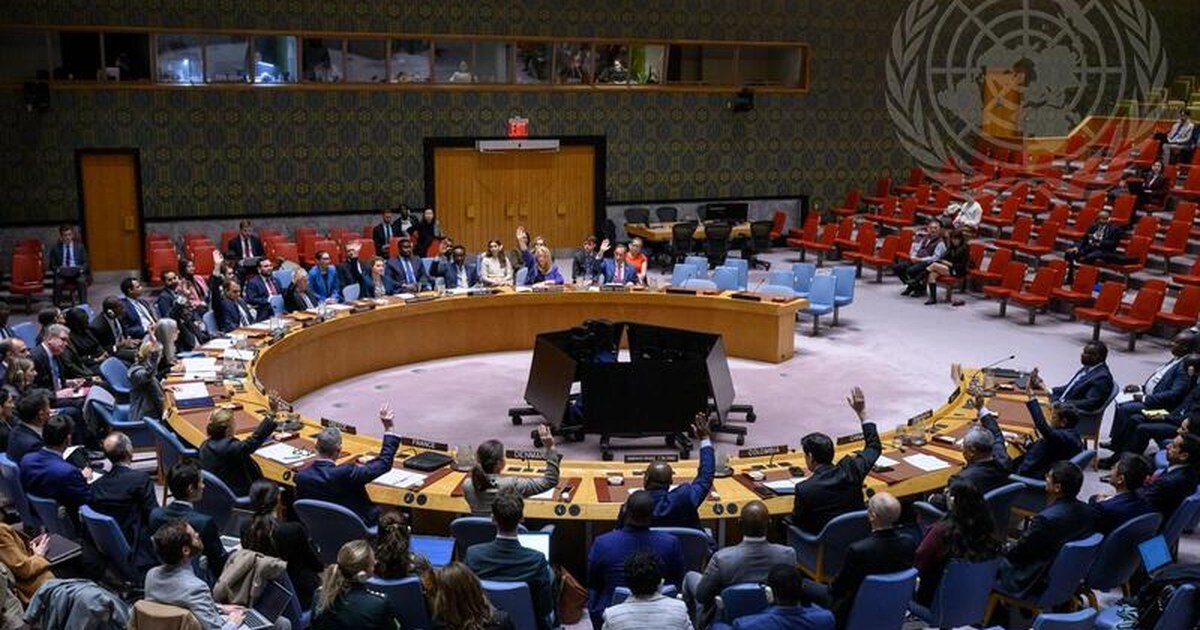

The UN Security Council has renewed the MINUSCA mandate in the Central African Republic until 15 November 2027 while cutting the mission’s authorised troop strength to 12,000 from 14,046.
The vote, taken unanimously in New York on 12 November, keeps one of the UN’s largest peacekeeping forces in place for another year but starts a gradual handover of its tasks to the government in Bangui, at a time when fighting in neighbouring Sudan is unsettling the border.
What does the new MINUSCA mandate change?
Resolution 2836 sets the force at up to 12,000 military personnel, 2,265 police and 40 corrections officers, according to the UN’s record of the meeting. The military ceiling authorised in 2025 was 14,046.
The priority tasks in the MINUSCA mandate are unchanged: protecting civilians, supporting the deployment of national security forces, backing the peace process and helping humanitarian aid get through.
What is new is the instruction to plan an exit. The council asked the mission and the government to work together on a transfer of responsibilities that is gradual, sequenced and tied to conditions on the ground. It distinguishes between tasks that can be handed over now, those that need the state’s capacity built first, and those that stay with the mission.
The secretary-general is to report on progress in February, June and October 2027. The mission’s electoral assistance division is being closed after the elections held since December 2025.
Why does the MINUSCA mandate matter now?
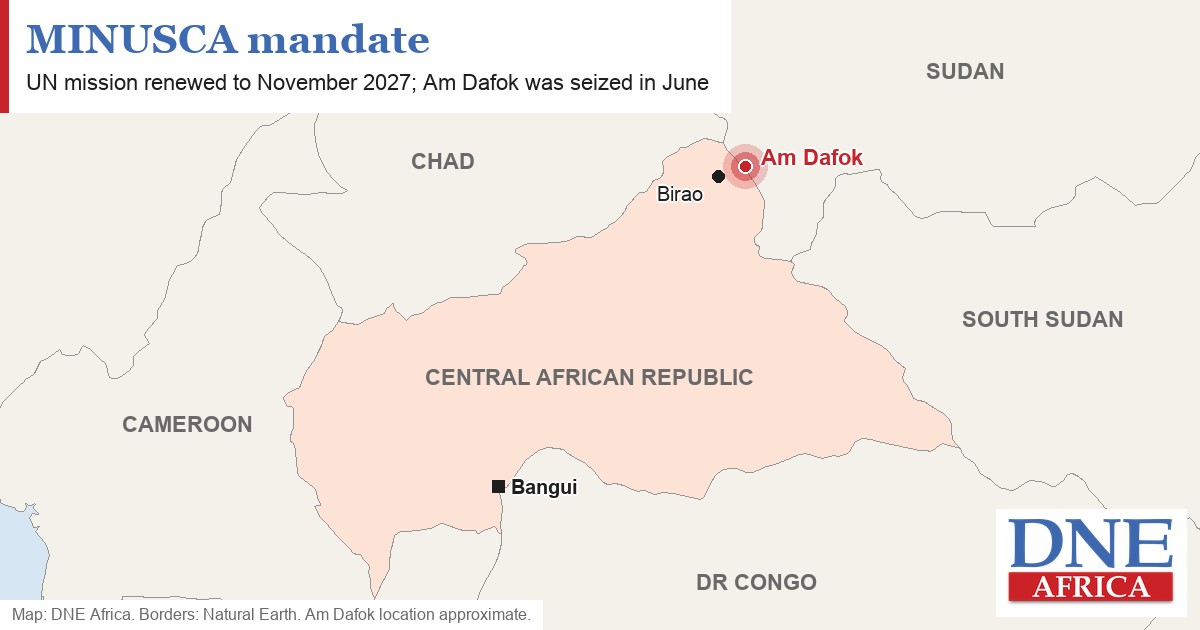
The mission was set up in 2014, after a coup the previous year led to armed conflict and mass displacement. A peace agreement signed in 2019 between the government and 14 armed groups has not ended the violence in parts of the country, Anadolu Agency reported.
The north-east is the main concern. In June armed groups seized the border town of Am Dafok, displacing thousands of people and injuring six peacekeepers in an attack on a UN base, the agency said. The area borders Sudan’s Darfur region, where the war between the army and the Rapid Support Forces continues.
The UN has warned against withdrawing peacekeepers too early. A smaller force with the same tasks will have to cover that ground with fewer soldiers.
Politics in Bangui has also been contested. President Faustin-Archange Touadera confirmed a third-term bid last year, and the African Union welcomed the disbandment of two armed groups the same month.
What did council members say about the MINUSCA mandate?
France, which drafted the text, said it gives the mission a framework to consolidate its gains, adjust troop levels and keep supporting the government, particularly in border areas, Africanews reported.
The US said successful peacekeeping missions work themselves out of a job and held up the Central African operation as an example, according to the UN record. China called for an orderly transfer of responsibilities.
Liberia, speaking also for the Democratic Republic of Congo and Somalia, said the handover must be properly resourced. “A task handed over must remain a task delivered,” its ambassador, Lewis Garseedah Brown II, told the council, according to Africanews. He also urged member states to pay their assessed contributions in full so that the UN’s cash shortage does not undermine the mission.
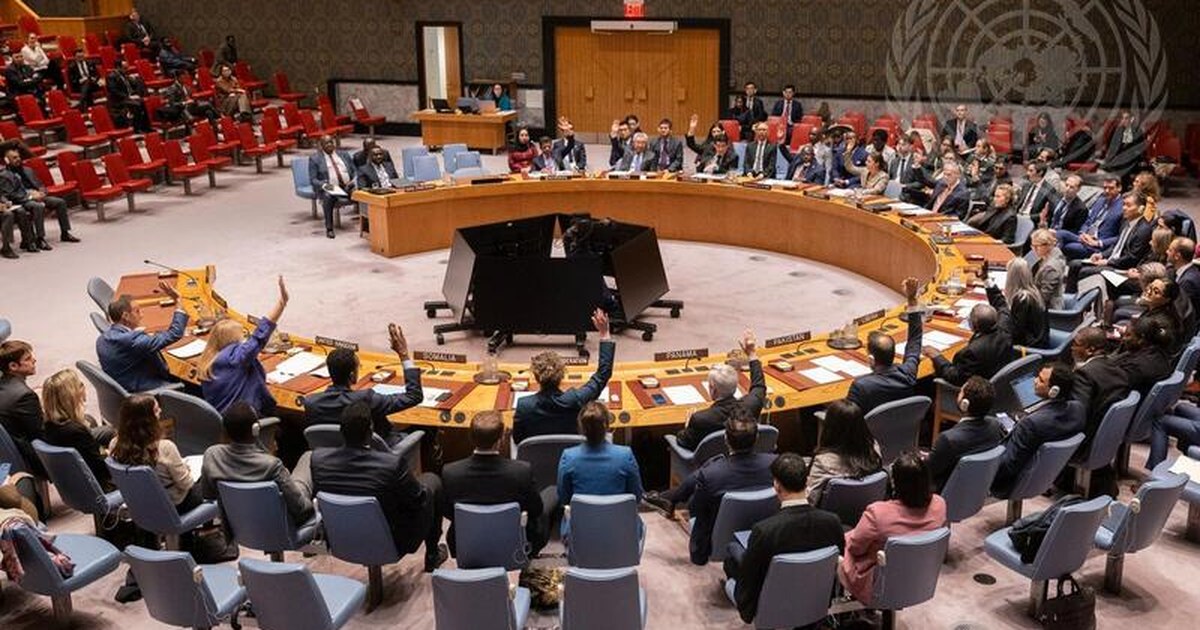
The Central African Republic’s ambassador, Marius Aristide Hoja Nzessioue, welcomed the unanimous vote as a show of confidence. He said his country hoped to become a model of a mission that adapted and handed over rather than one that left too soon, while warning of insecurity on the border and spillover from Sudan.
What happens next?
The first report on the transition is due in February 2027. The pace of any further reduction will depend on whether national forces can deploy to areas the peacekeepers leave, and on the UN’s finances.
The MINUSCA mandate will come up for renewal again before 15 November 2027.
FAQ
How long does the MINUSCA mandate now run?
Until 15 November 2027, under Security Council resolution 2836, adopted unanimously on 12 November 2026.
How many peacekeepers will remain in the Central African Republic?
Up to 12,000 military personnel, 2,265 police and 40 corrections officers. The military ceiling was 14,046 in 2025.
Is the UN mission leaving the Central African Republic?
Not yet. The council asked for a gradual, conditions-based transfer of tasks to national authorities, with no end date set.
Who drafted the resolution on the MINUSCA mandate?
France, which leads council negotiations on the Central African Republic.


