

Africa’s young innovators are increasingly turning artificial intelligence (AI) and robotics into practical solutions to some of the continent’s most pressing challenges, but greater access to financing, infrastructure and markets is needed to help their ideas scale into businesses and jobs.
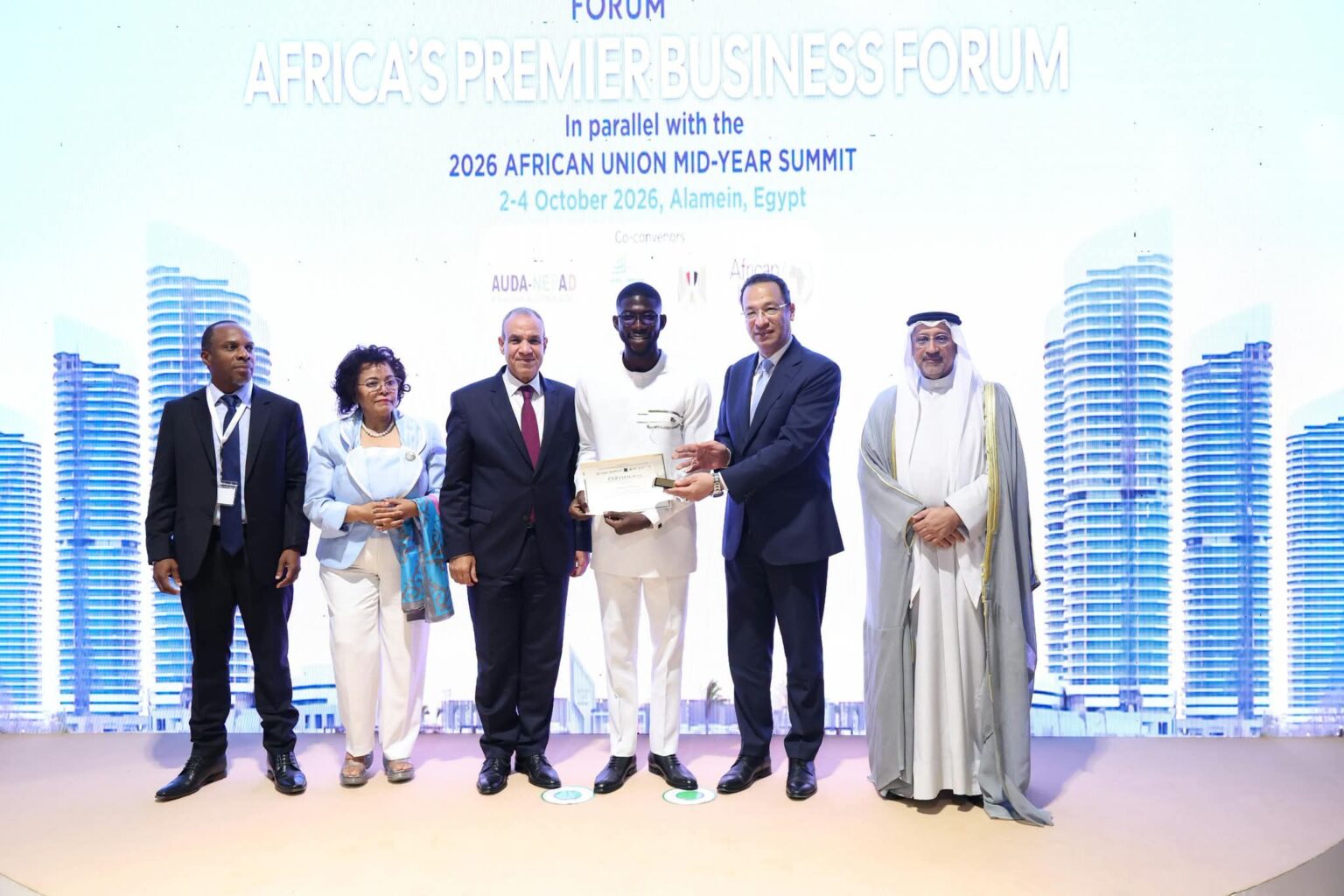
The issue was highlighted during the third Presidential African Youth in Artificial Intelligence and Robotics Competition (AYAIR) Final Awards Ceremony, held as part of the Alamein Africa Forum 2026.
In his remarks, Yemi Kale, Afreximbank Group Chief Economist and Managing Director of Research, affirmed the importance of creating an ecosystem that can move African innovations from research and development into commercially viable products and services.
Through its Africa Research and Innovation Hub (ARIH), Afreximbank is working with the African Union Commission and the African Continental Free Trade Area (AfCFTA) Secretariat to help bridge the gap between African research, innovation and markets.
The initiative is already supporting young innovators applying artificial intelligence and other emerging technologies to challenges in healthcare, agriculture, disability inclusion, medical diagnostics and environmental protection.
For the third edition of AYAIR, Afreximbank increased its involvement as a Diamond Strategic Partner, committing $120,000 to the competition.
The partnership has also brought AYAIR formally into ARIH’s innovation pipeline and expanded its reach to young Global Africans, including innovators in the African diaspora.
The expanded initiative is designed to strengthen the connection between young innovators and the resources needed to turn promising concepts into scalable ventures, including capital, mentorship, intellectual property protection and access to markets.
The move comes as African countries seek to build stronger technology and innovation ecosystems capable of generating jobs, supporting entrepreneurship and increasing the continent’s participation in emerging technology markets.
The AYAIR initiative reflects a broader push to place young Africans at the centre of the continent’s innovation agenda by creating pathways from ideas and research to investment, commercialisation and regional markets.


