
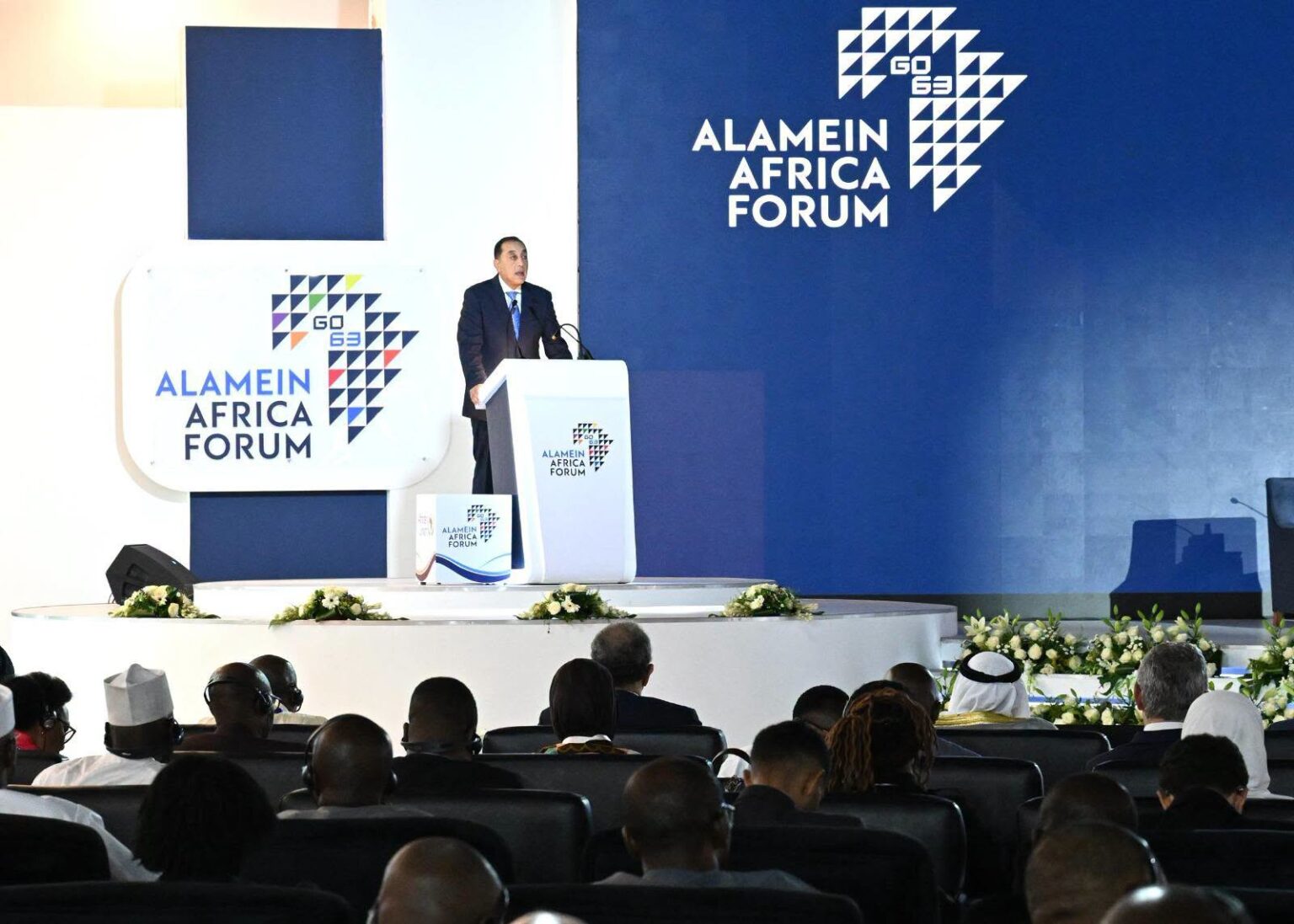

Against the backdrop of New Alamein—a coastal metropolis engineered on the Mediterranean shoreline as a testament to rapid urban development—Egyptian Prime Minister Mostafa Madbouly delivered a sharp reality check to African business leaders and state officials. “The question is no longer about the potential Africa possesses,” he told the inaugural Alamein-Africa Forum during its welcoming session. “The most important question is: how do we transform this potential into real economic and developmental value?”
The forum, which formally opens tomorrow under the auspices of Egyptian President Abdel Fattah El-Sisi, represents a strategic pivot for the continent. Gathering policymakers, private sector executives, and representatives from development banks, the event is designed to dismantle the silos separating government vision from corporate execution. The seaside setting itself is being leveraged as a tangible blueprint for how political will, matched with intensive infrastructure investment, can yield functional mega-projects.
This Alamein-Africa Forum push for operational unity arrives at a critical juncture. As global supply chains undergo radical restructuring and geopolitical alignments shift, African economies are rushing to position themselves not as isolated frontiers, but as central nodes in the global market. The Alamein summits—combining the Alamein-Africa Forum, the AUDA-NEPAD founding countries summit, and the upcoming 8th Mid-Year Coordination Meeting of the African Union on 4 October—aim to forge a synchronised continental response. The objective is to translate sprawling frameworks like Agenda 2063 and the African Continental Free Trade Area (AfCFTA) into bankable realities.
Alamein-Africa Forum: Bridging the Implementation Gap in African Markets
For decades, Africa’s economic narrative has been dominated by its vast natural resources, a booming youth demographic, and untapped sectors across manufacturing, agriculture, and the digital economy. Yet, as Madbouly delineated in his address, the continent continues to grapple with persistent structural deficits. High costs of capital, fragmented infrastructure, and lingering trade barriers have historically bottlenecked intra-African commerce.
To counter this, the Alamein-Africa Forum, organised in coordination with the African Union Commission, the African Union Development Agency (AUDA-NEPAD), and the African Export-Import Bank (Afreximbank), seeks to establish a sustainable, biennial platform in Egypt. The explicit goal is to bring decision-makers, financiers, and implementing firms into the same room to negotiate direct solutions for risk mitigation and capital mobilisation. Madbouly noted that dialogue must now focus strictly on removing obstacles to project execution rather than merely diagnosing known opportunities.
Institutional Alignments and Continental Leadership
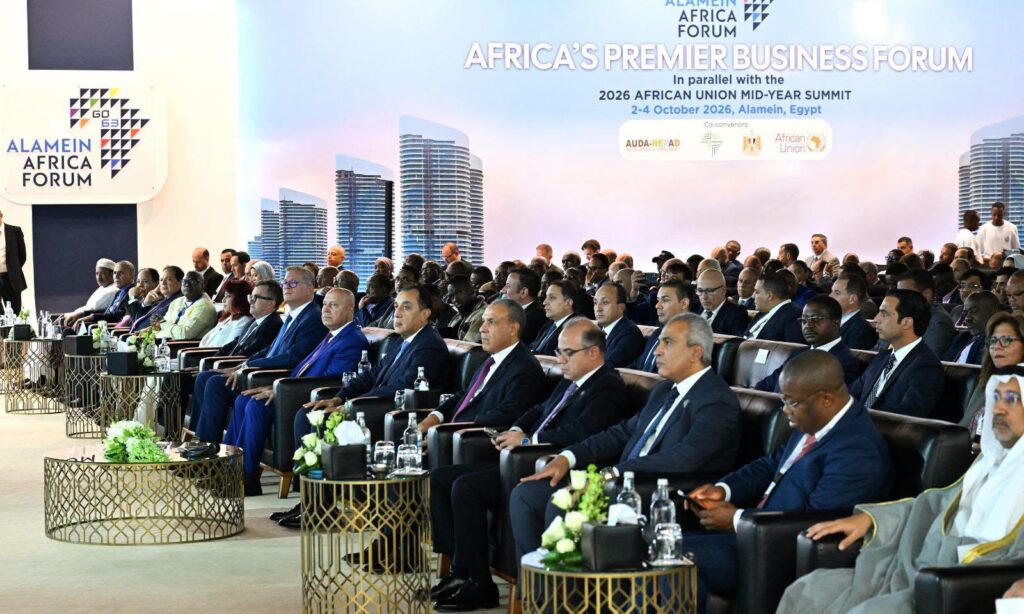
The Alamein-Africa Forum serves as the commercial vanguard for a broader diplomatic mobilisation. Tomorrow, President El-Sisi is scheduled to co-chair the AUDA-NEPAD founding nations summit alongside the President of Angola, who currently heads the agency’s steering committee. They will be joined by the heads of state and representatives from Algeria, Nigeria, Senegal, and South Africa, alongside the President of Burundi in his capacity as the current Chairperson of the African Union.
Ambassador Mohamed El-Shenawy, the official spokesperson for the Egyptian Presidency, confirmed that El-Sisi will also lead the African Union’s 8th Mid-Year Coordination Meeting on Sunday. Through a series of bilateral and multilateral engagements, the Egyptian leadership intends to consolidate the progress made during its three-year tenure chairing the AUDA-NEPAD steering committee, focusing sharply on joint continental action and integration.
Alamein-Africa Forum: Empowering Private Sector Integration
Central to these high-level political dialogues is a renewed emphasis on private enterprise. While state governments are tasked with establishing regulatory frameworks and development agencies provide crucial financial de-risking tools, the private sector is increasingly viewed as the primary engine for innovation, job creation, and industrial production.
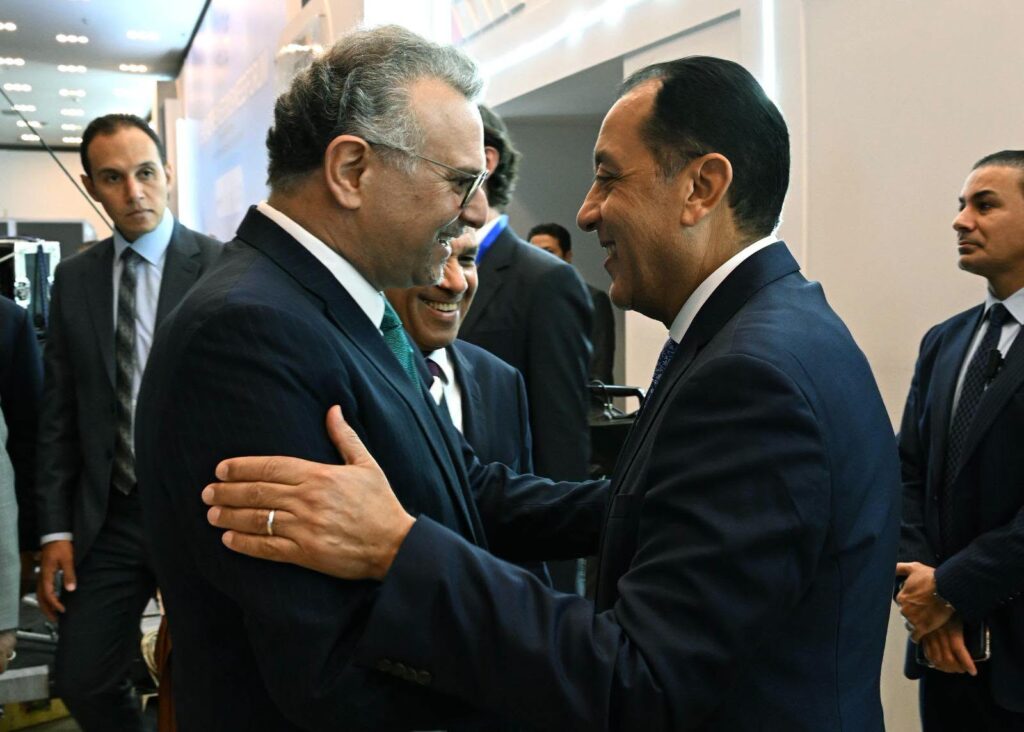
The Egyptian Prime Minister stressed that the success of continental trade initiatives hinges on the private sector becoming a genuine partner in both formulating and executing solutions. By establishing sustained dialogue between the public and private spheres, the summit aims to move beyond theoretical debates to establish resilient project pipelines.
As delegates prepare for the week’s intensive negotiations, the focus remains firmly fixed on execution. If the architecture of New Alamein demonstrates the speed at which ambitious blueprints can materialise, the continent’s leaders are now challenged to apply that same rigorous blueprint to Africa’s economic integration—ensuring the continent’s profound potential finally translates into unified global power.


