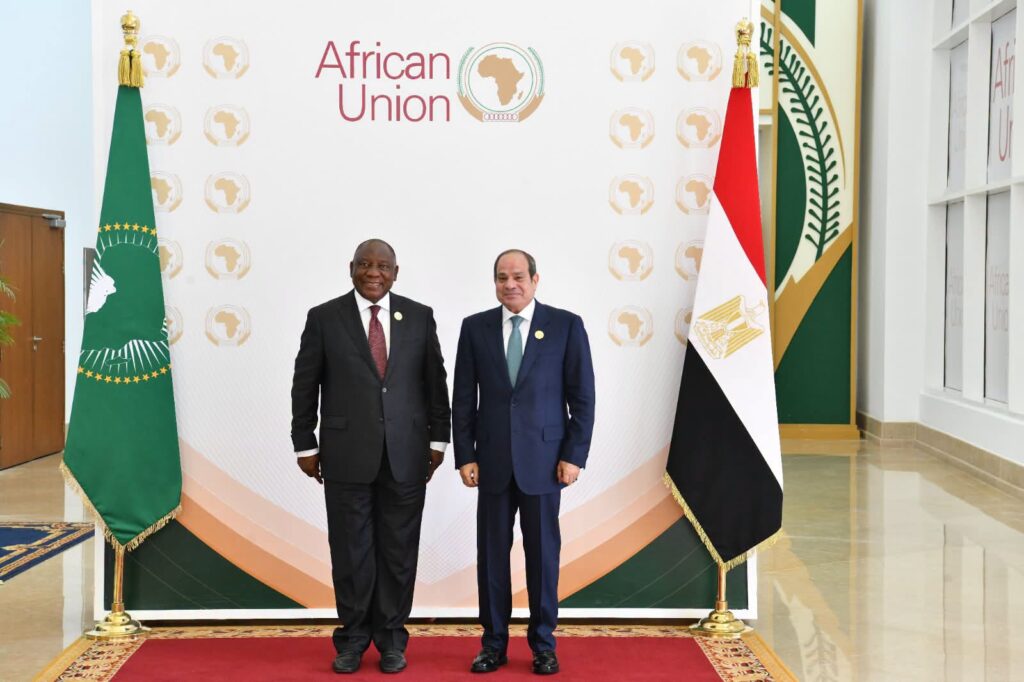
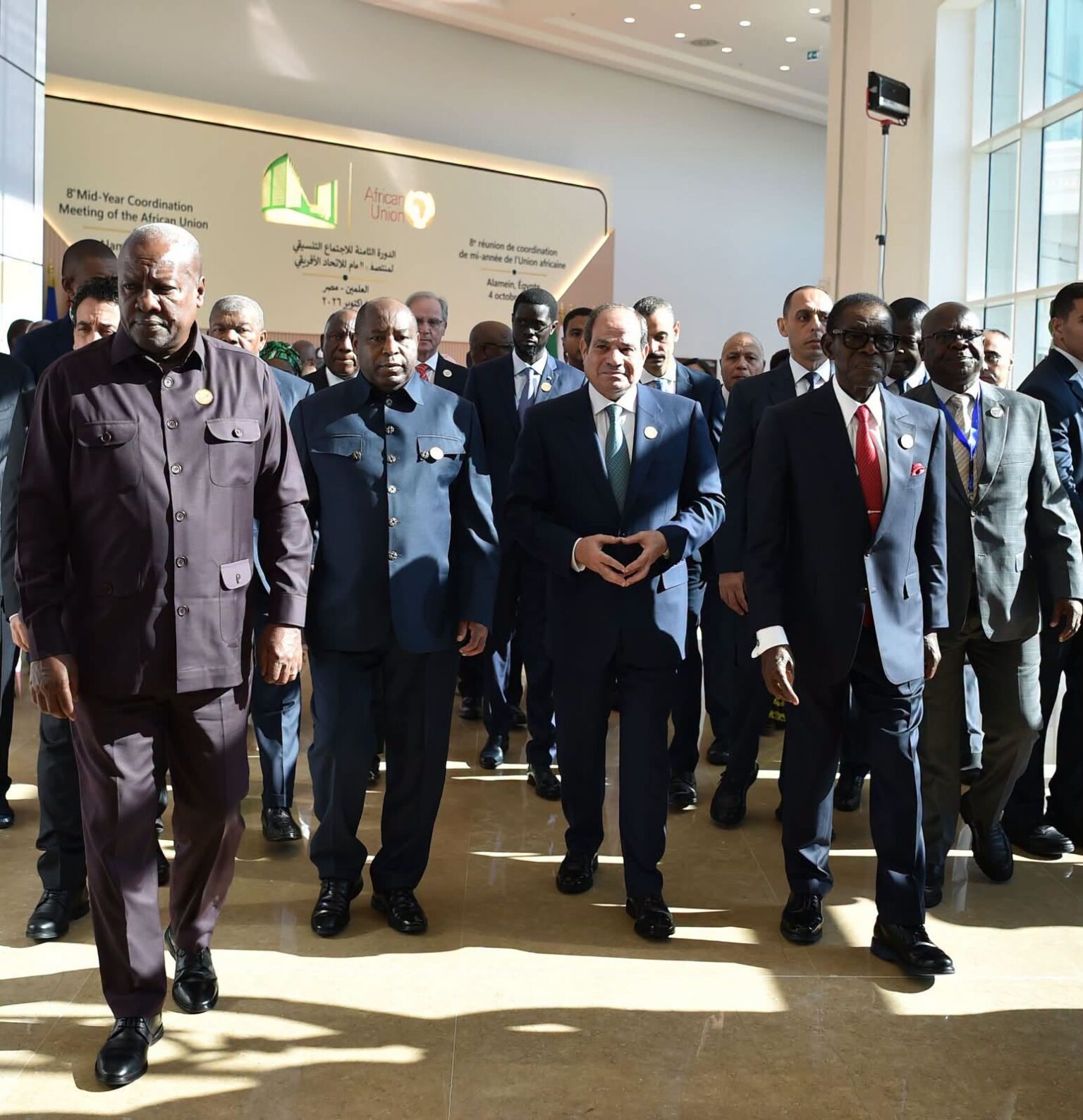

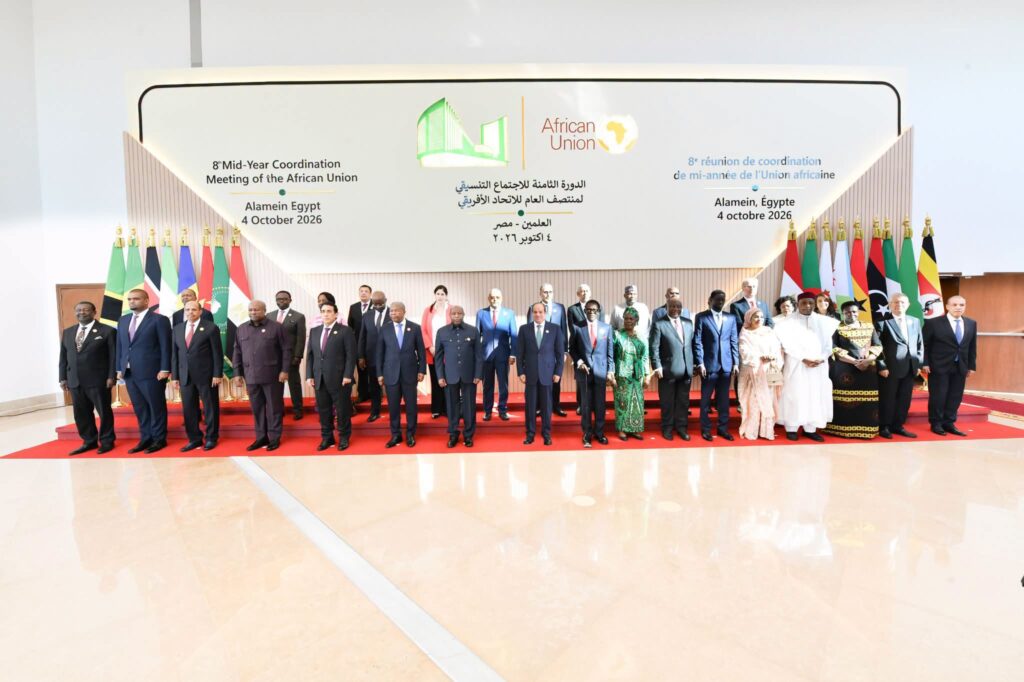
African leaders, heads of Regional Economic Communities (RECs), and regional mechanisms gathered in the Mediterranean city of New Alamein on Sunday for the 8th African Union (AU) Mid-Year Coordination Meeting, issuing a unified call to transition the continent’s integration agenda from strategic aspirations into concrete, implementable projects.
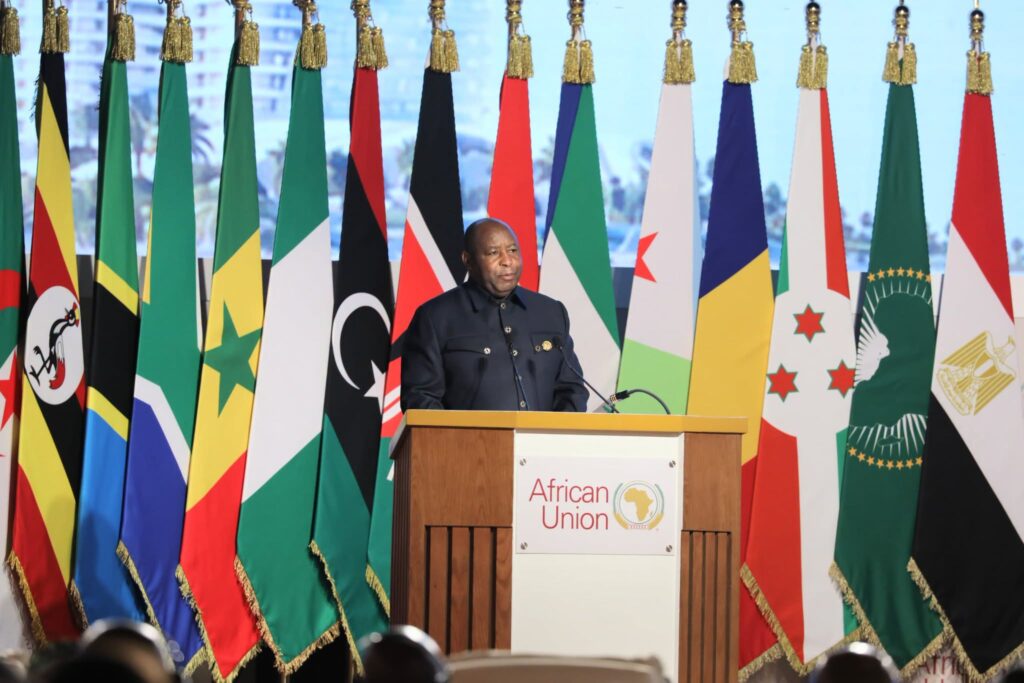
Hosted by Egyptian President Abdel Fattah El-Sisi, the summit featured key addresses by African Union Commission Chairperson Mahmoud Ali Youssouf and AU Chairperson and Burundian President Évariste Ndayishimiye, focusing on accelerating the second decade of Agenda 2063 amid complex global geopolitical pressures.
Moving Beyond Market Size to Production
Opening the proceedings, AU Commission Chairperson Mahmoud Ali Youssouf expressed deep appreciation to President El-Sisi, the government, and the people of Egypt for their hospitality and organization. Youssouf emphasized that against a volatile global backdrop, Africa must deepen collective reflection and strengthen its capacity to safeguard peace, security, and socio-economic development.
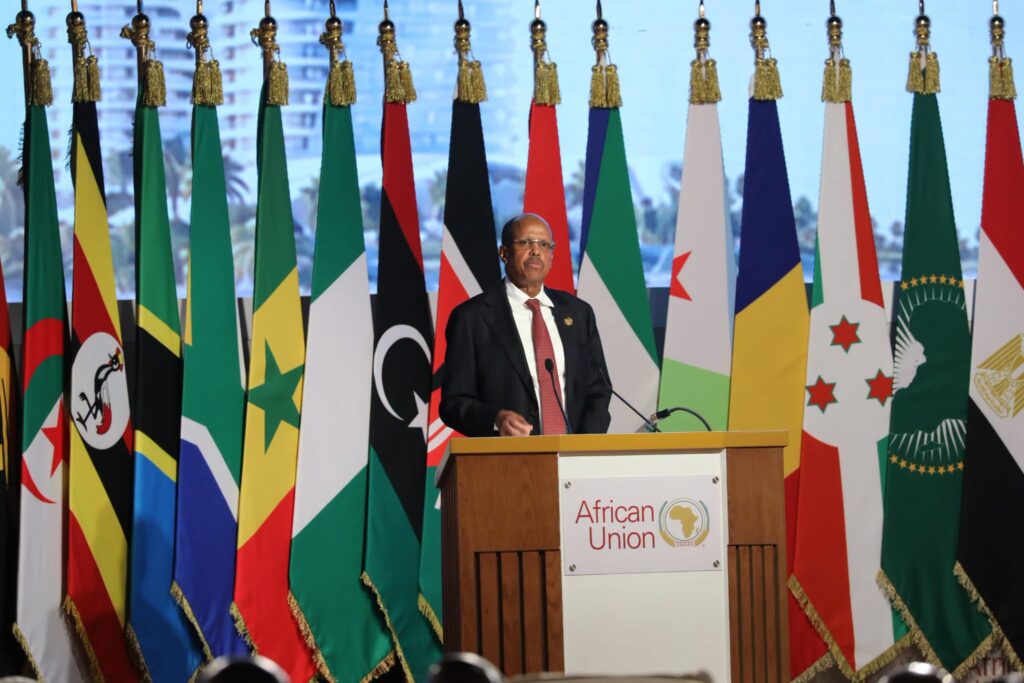
Youssouf stressed that the African Continental Free Trade Area (AfCFTA) cannot succeed by merely creating a larger market. Instead, the continent must develop the capacity to process its vast natural wealth domestically. “Africa must have the capacity to produce, transform and add value to its own resources,” Youssouf stated, urging the conversion of Africa’s youthful population and natural assets into robust manufacturing value chains and technology transfer.
AU Chairperson Évariste Ndayishimiye strongly echoed this sentiment, asserting that trade agreements alone are insufficient without domestic industrial capacity. “Africa must produce in Africa, transform in Africa, and add value to its resources in Africa,” Ndayishimiye said. He called for aggressive infrastructure investments in cross-border roads, railways, energy grids, ports, and digital networks to facilitate the movement of goods, services, and people.
AU: Financial Sovereignty and Institutional Division of Labor
A major theme of the summit was achieving financial independence for continental development. Youssouf and Ndayishimiye both asserted that Africa cannot realize its infrastructure ambitions without financing its own priorities. Youssouf highlighted the urgency of transforming Africa’s financial architecture and empowering continental financial institutions to secure long-term economic sovereignty.
To overcome operational bottlenecks, the leaders called for a clearer, streamlined division of labor between the AU Commission, RECs, RMs, and member states. Founded on principles of solidarity, complementarity, and comparative advantage, this division aims to eliminate duplication and focus resources on measurable outcomes for African citizens. Ndayishimiye commended progress in health and governance, specifically citing the contributions of the Africa CDC and the African Peer Review Mechanism (APRM).
Sovereignty, Shared Water, and Conflict Action
In his welcoming address, President El-Sisi highlighted New Alamein as a living symbol of transformation—demonstrating how a site once defined by WWII conflict and landmines has been rebuilt into a thriving platform for investment, urban development, and regional cooperation.
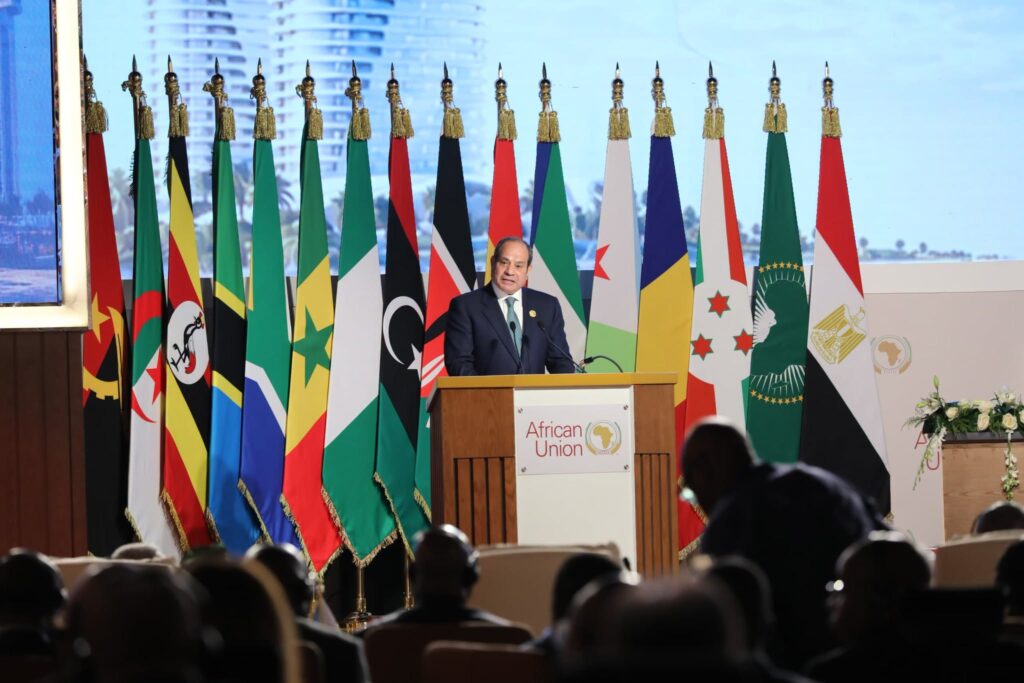
El-Sisi reaffirmed Egypt’s commitment to state sovereignty, territorial integrity, and good-neighborly relations. Addressing cross-border challenges and shared natural resources, the Egyptian president emphasized that differences must be resolved through dialogue, mutual respect, and international law rather than unilateral actions.
Ndayishimiye aligned with this focus, noting that water is central to public health, agriculture, energy, and peace. He stressed that transboundary water resources must be managed through wisdom, solidarity, and mutual cooperation for sustainable development.
On regional stability, all three leaders agreed that security is the foundation of economic integration. Youssouf and Ndayishimiye praised the AU-led inter-regional early warning platform, demanding a decisive shift across the continent from conflict early warning to proactive early action.