

Tanzania 2025 Elections: AU Labels Polls “Violent” and “Compromised” – Official Report Insights
Published: November 6, 2025 | Last Updated: November 6, 2025
Key Takeaways
- AU Verdict: The October 29, 2025, General Elections in Tanzania failed to meet African Union (AU) principles, normative frameworks, and international democratic standards due to violence, opposition suppression, and structural flaws.
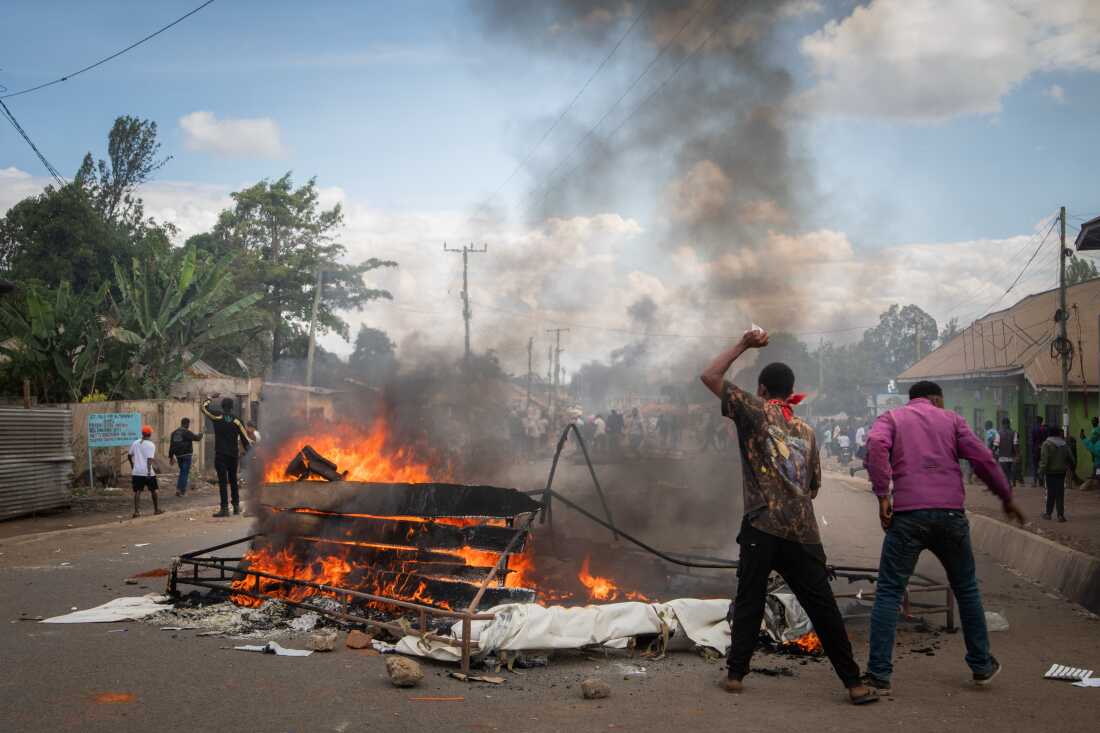
- Election Day Chaos: Calm morning escalated to deadly protests, gunfire, and a six-day internet shutdown from 11:00 AM on October 29 to November 3, severely limiting transparency and monitoring.
- Core Issues: Opposition boycott, unimplemented reforms, biased media, and inadequate electoral independence undermined the process.
- Urgent Reforms: Calls for constitutional amendments, independent appointments, and inclusive politics to restore credibility.
Official AU Mission Overview: Leadership and Deployment
The African Union Election Observation Mission (AUEOM) was deployed at the invitation of the Tanzanian Government and the Independent National Electoral Commission (INEC) from October 14 to November 3, 2025, to observe the October 29, 2025, General Elections – Tanzania’s seventh multiparty polls since 1995.
- Leadership: Headed by H.E. Mokgweetsi E.K. Masisi, former President of Botswana, with H.E. Geoffrey Onyeama, former Nigerian Foreign Minister, as Deputy.
- Team: 72 observers from 31 African countries, deployed in 28 teams across 17 regions, covering campaigns, early voting in Zanzibar, and Election Day.
- Guiding Frameworks: AU Charter on Democracy, Elections and Governance (ACDEG), OAU/AU Declaration on Democratic Elections, UDHR, ICCPR, and Tanzania’s laws.
- Preliminary Statement Release: November 5, 2025; full report due within two months of official results.
The mission met stakeholders like INEC, political parties, CSOs, and media but faced restrictions on some meetings. Observations were hampered by protests and the internet blackout.
Why the AU Slammed the Elections: Key Pre-Election Findings
The AUEOM’s report details a politically charged context marked by suppression and unaddressed reforms, creating an unlevel playing field.
| Issue | Direct AU Findings |
|---|---|
| Opposition Crackdown & Boycott | CHADEMA boycotted over unmet reforms; leader Tundu Lissu arrested on treason, Vice-Chair John Heche on immigration charges; party banned from activities. ACT-Wazalendo’s Luhaga Mpina disqualified. This diminished competitiveness, violating ACDEG Article 4(1)(2) and ACHPR Article 13(1). |
| Unimplemented Reforms | No independent INEC appointment body; Article 41(7) bars presidential result challenges; Article 39(1) prohibits independents. Conflicts with fair hearing rights (ACHPR Article 7, ICCPR Article 2(3)). |
| Electoral Body Independence | President appoints all INEC members; senior officials as returning officers under Prime Minister oversight erode neutrality (unlike ZEC’s opposition input). |
| Biased Media & Digital Restrictions | State media favored CCM; 2020 regulations blocked platforms; total internet shutdown from mid-campaign to November 3 hindered access and observation, breaching ACDEG Article 17. |
| Campaign Uncompetitiveness | Dominated by CCM; weak enforcement of finance laws allowed unequal resource access, leading to voter apathy. |
Inclusivity Notes: Progress in women’s special seats (37% quota), but low competitive candidacies (32.2% parliamentary women). Youth and PWDs face barriers like finances and accessibility gaps; 49,174 PWD voters registered but data disaggregation lacking.
Election Day Breakdown: From Peace to Violence
October 28 Early Voting in Zanzibar: Generally peaceful with efficient processes, though issues like agent invitations and transparency in vote management noted. Two teams denied closing access.
October 29 Voting Day: 352 stations observed (57.5% urban). Started calmly but deteriorated:
- Violence Surge: “Violent protests, gunfire, road closures, and tyre burning” in Dar es Salaam, Mbeya, and others; unannounced curfew stranded observers; regrets over “loss of lives” and property damage.
- Internet Blackout: Nationwide shutdown from ~11:00 AM crippled reporting, citizen info access, and monitoring of voting/closing/counting.
- Polling Irregularities: Low turnout from apathy; 11/28 stations opened late; multiple unchecked ballots and stuffing in agent-absent stations; privacy mostly ensured but no child-friendly measures.
- Restricted Access: Limited official cooperation; observers asked to leave before counting; tally discrepancies observed.
70% stations PWD-accessible, but gaps (e.g., no Braille); gender-balanced officials (50% women); police cooperative where present.
AU Recommendations: Path to Inclusive Reforms
The AUEOM urges Tanzania to address root causes through comprehensive changes, emphasizing transparency, accountability, and human rights.
- Constitutional & Legal Amendments: Allow presidential challenges (revise Article 41(7)) and independent candidates (Article 39(1)); align with AU/international standards.
- INEC/ZEC Independence: Independent appointment body; exclude partisan officials as returning officers.
- Media & Digital Equity: Ensure balanced coverage; lift restrictions for free expression (ACDEG Article 17).
- Security & Justice: Investigate excessive force/alleged abductions; train forces on restraint and rights; hold accountable for protest deaths.
- Inclusivity Enhancements: Remove barriers for women, youth, PWDs; improve voter education, accreditation timeliness, and data disaggregation.
- Overall: Foster dialogue for peaceful expression; implement past AU/EAC recommendations.
The mission extends condolences to affected families and reaffirms AU solidarity for Tanzania’s stability.
Quick FAQ from the AU Report
Q: What standards did the elections fail?
A: AU ACDEG, OAU Declaration, UDHR, ICCPR – due to non-conducive environment and compromised integrity.
Q: How many voters registered?
A: 37,647,235 (50.3% women); concerns over border non-citizen inclusions.
Q: When is the full AU report?
A: Within two months of official results.
Q: Positive notes?
A: Logistical prep, tech use (biometrics), and inclusion efforts for marginalized groups.


