
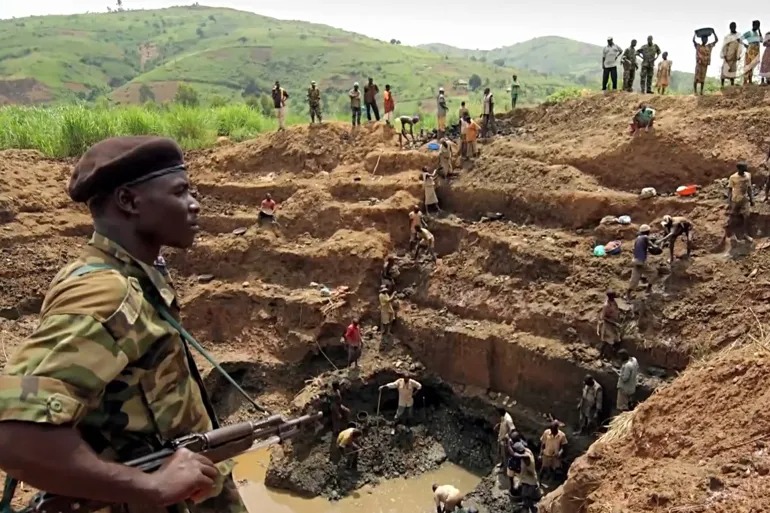

Armed groups across East Africa are increasingly funded by a vast illicit economy that includes illegal mining, trafficking, smuggling, and the trade of everyday goods. Experts warn this shadow economy is not only undermining regional governments but also fueling violence and prolonging conflicts.
In the Democratic Republic of Congo, armed groups earn up to $1.3 billion annually from illegal mineral trade, sustaining operations and enabling regrouping after defeats. In Somalia, Al-Shabaab profits from taxing the charcoal trade, generating up to $10 million a year. The group also earns millions more from sugar smuggling into Kenya, and from controlling trade routes for fuel and food.
Human trafficking and narcotics have also become key revenue streams. Al-Shabaab and other groups tax or facilitate heroin shipments through East African ports, while armed actors in Libya and Darfur profit from smuggling networks. A joint INTERPOL report estimates seven major African armed groups generate up to $1.39 billion annually through such illicit activities.
The human cost is severe—linked to child labor, torture, sexual violence, and widespread rights abuses. These groups often act as de facto authorities in remote areas, collecting taxes and enforcing rule by force.
Regional experts and international bodies are calling for stronger cross-border cooperation to curb illicit trade, improve governance, and prevent the black economy from further destabilizing East Africa. Without decisive action, these underground networks will continue to empower violence and weaken fragile states.


