
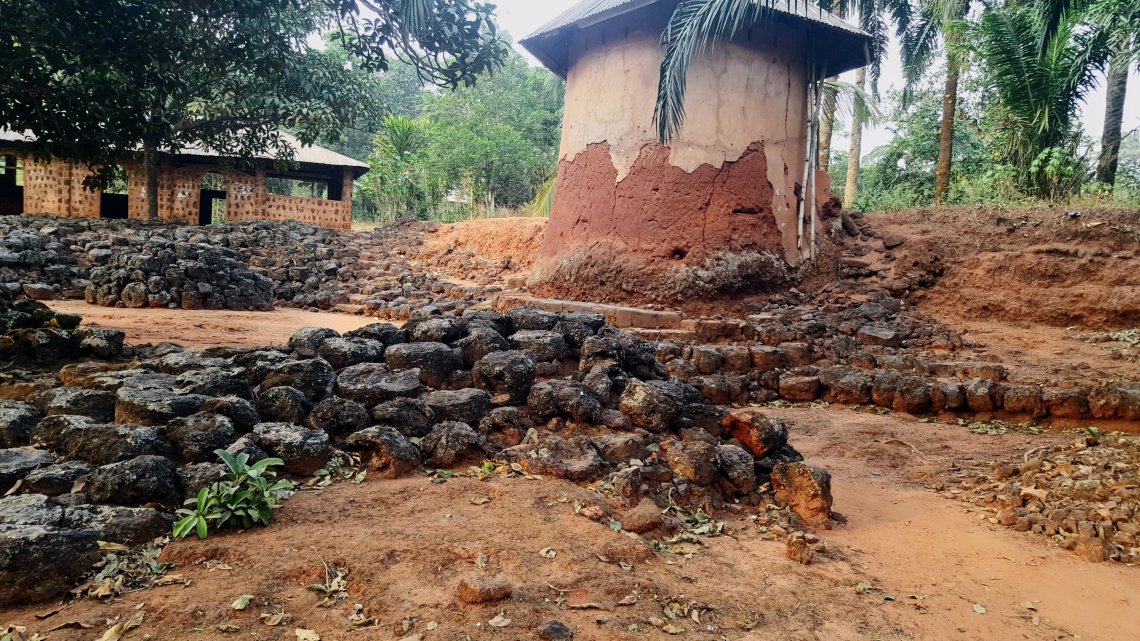

The United States has awarded a $125,000 grant to help preserve and digitally document an ancient iron-smelting site in Nigeria’s southeastern Enugu state, the U.S. Embassy in Nigeria said on Monday.
The grant, awarded through the Ambassadors Fund for Cultural Preservation (AFCP), will support the conservation and three-dimensional documentation of the Lejja archaeological site, as well as the recording of oral histories and traditional knowledge linked to its iron-working heritage.
The project, known as “Nchekwaba: Lejja Iron-Smelting,” will be implemented by the Enugu-based Centre for Memories in cooperation with state authorities and Nigerian cultural institutions.
Ancient iron-making centre
Lejja, a cluster of villages on the Nsukka Plateau, is known for extensive remains associated with ancient iron production.
Radiocarbon dating places iron-smelting activity at the site at around 2000 BC, making it one of the earliest known iron-production sites in present-day Nigeria.
The project will create a detailed 3D record of the remains, providing researchers and heritage authorities with a digital archive that can be used for conservation, research and education.
It will also document community knowledge, traditions and oral histories associated with the site, bringing local voices into the preservation effort.
Protecting heritage
The initiative comes amid growing efforts to protect archaeological sites in southeastern Nigeria from deterioration, development and changing land use.
The digital documentation could support future museum exhibitions, academic research, educational programmes and cultural tourism, while providing a record of the site should its physical remains become damaged.
The grant also builds on wider U.S.-Nigeria cooperation on cultural heritage. A bilateral cultural property agreement signed in 2022 strengthened efforts to prevent the illicit trafficking of Nigerian archaeological and ethnological materials and support the return of cultural objects taken abroad.
For the communities around Lejja, the project offers a way to preserve more than ancient structures. By recording local memories and knowledge alongside the archaeological evidence, it aims to keep the story of one of Nigeria’s earliest iron-working centres alive for future generations.


