
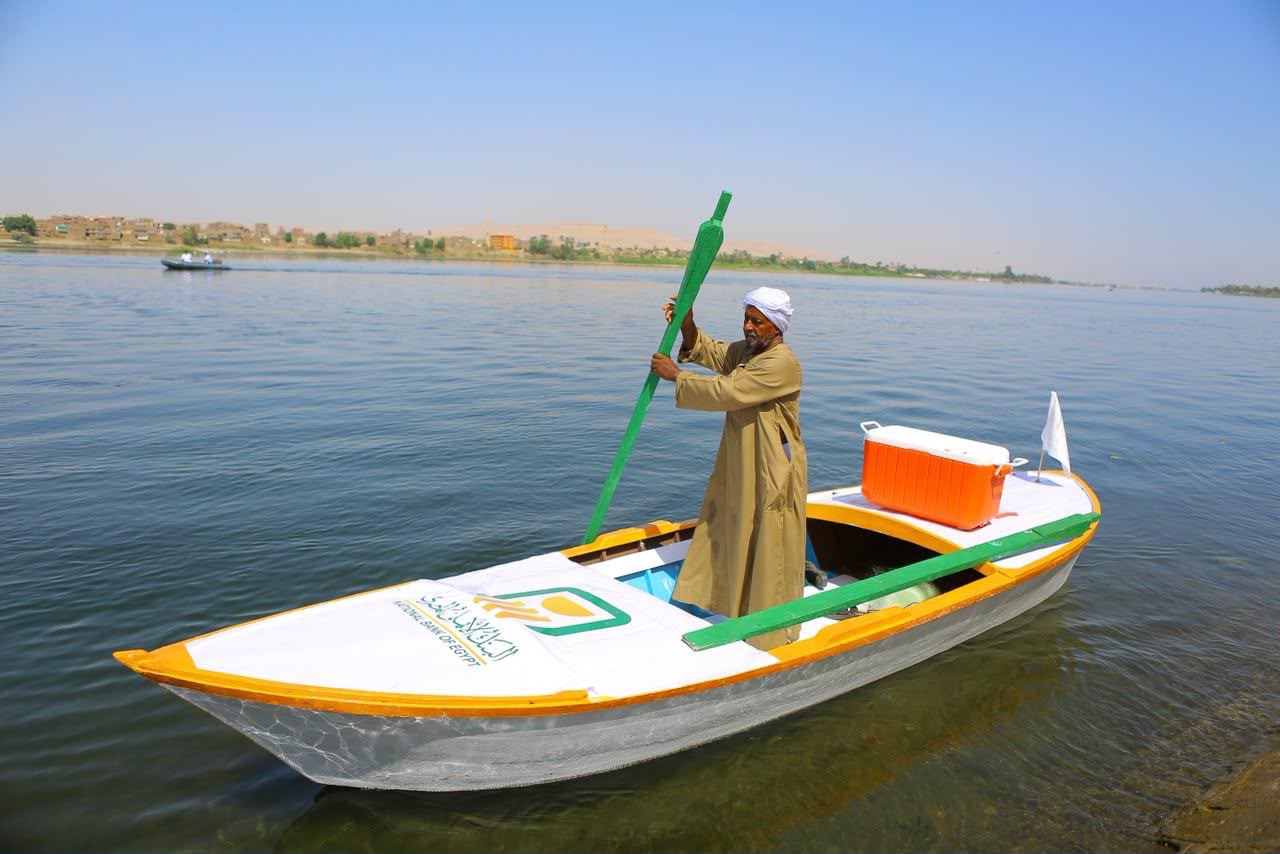

For generations, the Nile River has been the lifeblood of Luxor, yet for many local fishermen, extracting a living from its waters has been a daily battle against poverty and outdated equipment. That narrative shifted dramatically this week when the National Bank of Egypt (NBE) handed over 100 modern, fully equipped motorboats free of charge to struggling fishers, a life-altering intervention designed to secure stable incomes and long-term economic independence for vulnerable families.
The vessels were delivered under the ‘Livelihood Boats’ (Marakeb El Rezk) initiative, a collaborative effort between the NBE and the Sonaa El Kheir Foundation, a member of the National Alliance for Civil Development Work. For pan-African readers unfamiliar with the North African financial landscape, the National Bank of Egypt is a regional titan. Founded in 1898, it stands as Egypt’s oldest and largest commercial bank by assets. Yet, this initiative highlights a growing trend across the continent: legacy financial institutions stepping beyond traditional corporate philanthropy to deliver grassroots economic empowerment.
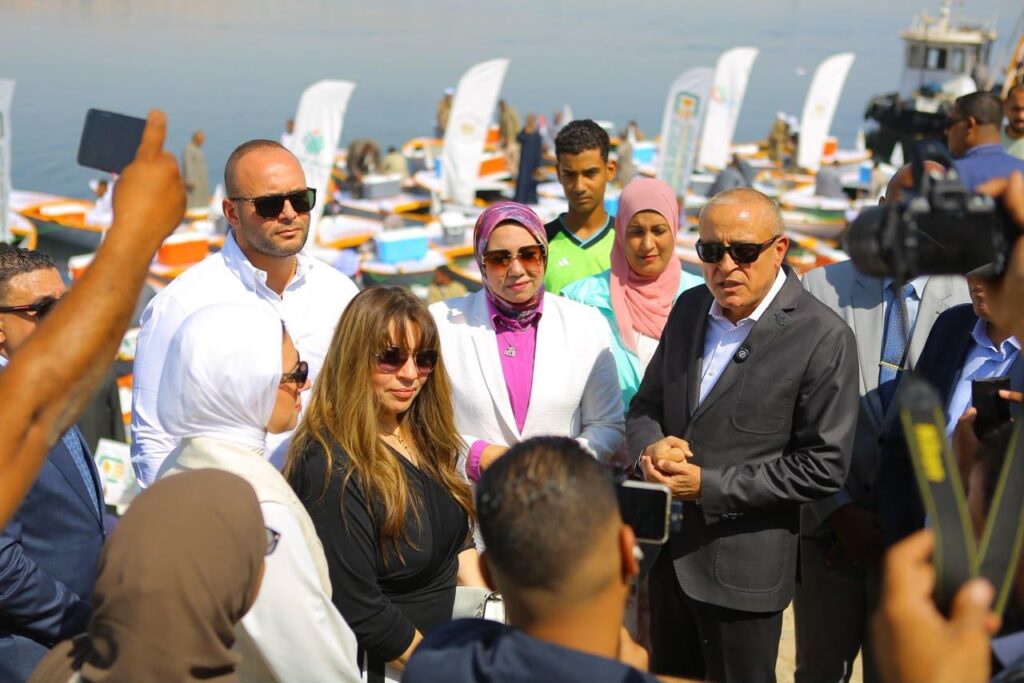
Hany Abdel Fattah, Chief Executive of the Sonaa El Kheir Foundation, outlined the profound practical impact of the handover. He explained that the modern boats, complete with robust motors and comprehensive fishing gear, were granted with strict priority given to the primary breadwinners of large families who previously lacked the capital to own their own vessels. By removing the barrier of renting boats, the initiative allows these men to keep the full fruits of their labour.
Addressing the beneficiaries at the handover ceremony—which was also attended by Dr Hiam El Tabbakh, Advisory Board Member for the Foundation, and Dr Mohamed Abdel Galil, Deputy Chief Executive and Projects Sector Manager at Sonaa El Kheir—Luxor Governor Abdel Muttalib Emara expressed his deep respect for the fishermen’s daily resilience. He urged them to channel this newfound support into increased production, whilst preserving their rich heritage by passing their invaluable knowledge down to younger generations. The governor also extended his gratitude to the National Bank of Egypt for fostering partnerships that leave a lasting, sustainable mark on local communities.
For the National Bank of Egypt, the initiative represents a decisive shift from fleeting charity to genuine economic enfranchisement. Dina Abou Taleb, Head of Marketing and Community Development at the National Bank of Egypt, emphasised that the bank’s involvement places real production tools directly into the hands of the workers. This approach, she noted, grants them the dignity of a sustainable income and bolsters their capacity for self-reliance.
Mohamed Awara, NBE Community Development Manager, added that investing in human capital through practical tools creates a vital ripple effect. The initiative, he explained, uplifts not just the direct beneficiaries but their wider families and the surrounding community. It serves as a powerful blueprint for community development across Africa—proving that when vulnerable workers are handed the right tools, they can anchor their own social and economic stability.