

Africa needs to deepen domestic capital markets and strengthen cross-border integration to reduce its exposure to volatile international capital flows, Thapelo Tsheole, CEO of the African International Financial Exchange (AFRINEX), told DNE Africa.
Tsheole said a genuinely integrated pan-African capital market would require unified trading platforms, harmonised listing rules, seamless cross-border settlement and the mutual recognition of regulatory approvals.
While initiatives such as the African Exchanges Linkage Project (AELP) are advancing market connectivity, he said Africa remains some distance from full integration because of differences in national exchange controls, central bank policies and legal and regulatory frameworks.
“Mobilising domestic institutional capital, including pension funds, insurance companies and sovereign wealth funds, is paramount,” Tsheole said.
He argued that domestic pools of capital can provide a stable anchor for African markets amid global macroeconomic volatility and fluctuating foreign portfolio flows, helping reduce the risk posed by sudden capital outflows.
Tsheole pointed to India as an example of the stabilising role that domestic investors can play. He said retail and institutional investors have become significant contributors to the country’s capital markets, with mutual fund systematic investment plan (SIP) contributions exceeding $3.8 billion in August 2026.
A stronger domestic investor base can help African markets withstand periods of foreign capital withdrawal while supporting greater market stability and investor confidence, he said.
At the same time, Tsheole said African exchanges should continue attracting foreign portfolio investment rather than choosing between international and domestic capital.
“Exchanges must strike a balance by cultivating a strong domestic retail and institutional investor base while keeping doors open to foreign portfolio flows,” he affirmed.
He called for the development of investment products and the listing of companies capable of attracting both local and international investors. Deeper domestic liquidity, he said, can support market stability and valuations, while foreign capital provides the scale required for major infrastructure and corporate expansion projects.
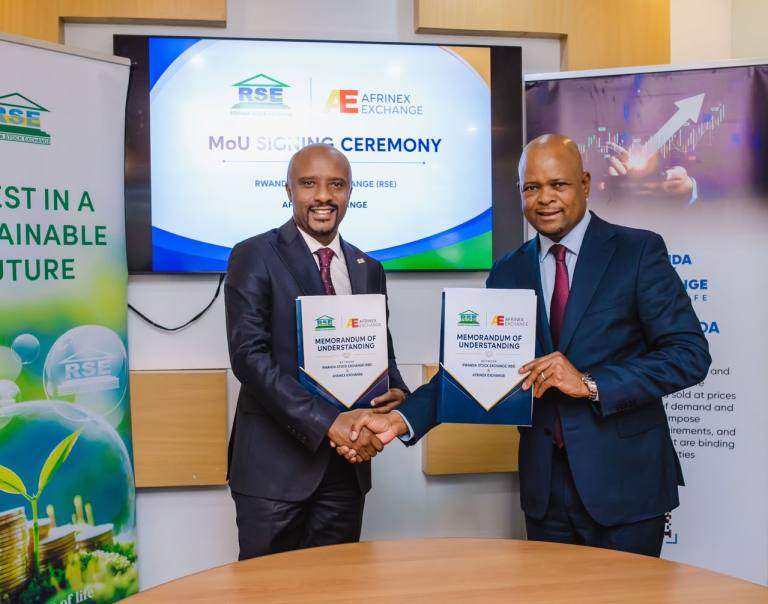
Tsheole’s comments form part of a broader discussion on AFRINEX’s efforts to strengthen African capital-market connectivity and expand cross-border investment channels. AFRINEX has recently pursued partnerships with exchanges including the Nairobi Securities Exchange (NSE) and Rwanda Stock Exchange (RSE) as part of efforts to facilitate cross-listings, investment flows and greater regional market integration.


