
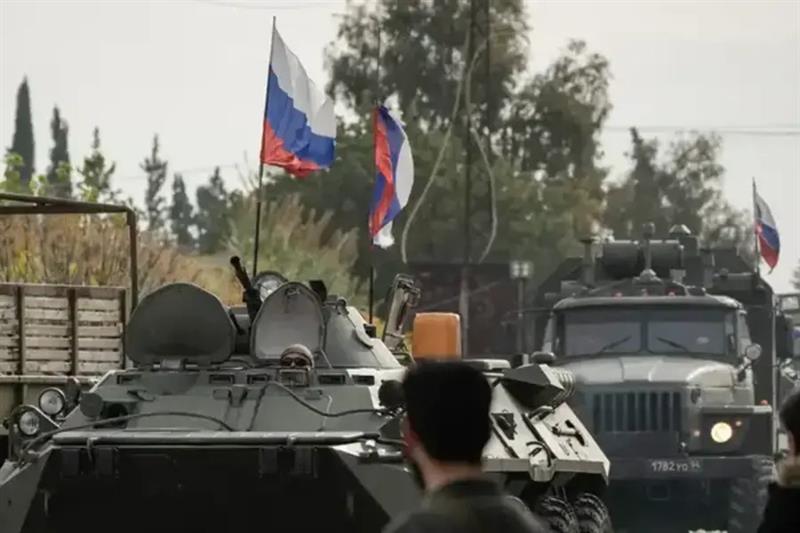

Libyan Prime Minister Abdulhamid Dbeibah has voiced serious concerns about the growing risk of his country becoming embroiled in broader international conflicts, particularly in light of reports indicating that Russia is transferring military equipment from its bases in Syria to eastern Libya. The transfers come at a time of heightened instability in the Middle East, following the collapse of Bashar al-Assad’s regime in Syria. Dbeibah’s comments reflect deep fears that Libya could once again become a battlefield for foreign powers seeking to extend their influence in the region.
During a recent news conference, Dbeibah expressed his grave worries about the potential for international conflicts to spill over into Libya. He warned that the country could become a focal point of competing interests from global powers, transforming it into a battleground between foreign nations. This comes amid reports that Russian forces have begun moving military resources, including weaponry and other equipment, from their established military bases in Syria to eastern Libya. These developments have added to the growing concerns about the role of foreign military powers in the North African nation.
“We are increasingly concerned that international conflicts, particularly in Syria and other parts of the Middle East, could be transferred to Libyan soil. This could cause Libya to become a battlefield where foreign powers clash, and we cannot allow this to happen,” Dbeibah stated during his remarks. The Libyan Prime Minister emphasized the need to safeguard his country’s sovereignty and prevent it from being drawn into foreign struggles. His comments underscore the difficult position Libya finds itself in as it continues to grapple with its internal divisions, fueled by years of civil war and instability.
Libya, which is home to significant oil reserves, has been struggling to recover from the devastating effects of the 2011 NATO-backed uprising that led to the downfall of long-time dictator Muammar Gaddafi. The country has been torn apart by a prolonged and violent conflict between rival factions, each backed by various international powers. The result has been a deeply fragmented political and military landscape, with the internationally recognized government in Tripoli in the west and a rival administration in the east led by the powerful military commander Khalifa Haftar.
As Libya continues to grapple with its own internal struggles, the situation is complicated further by the influence of foreign powers, including Russia, which has played a significant role in backing Haftar’s forces in the east. In recent days, reports have surfaced suggesting that Russia is moving military equipment from its strategically important Tartus naval base and Khmeimim air base in Syria to the eastern part of Libya. This follows a long-standing pattern of Russian support for Haftar and his forces, which Moscow views as a critical ally in its efforts to expand its influence in the Mediterranean and North Africa.
Russia’s involvement in Libya has been ongoing for several years. The Kremlin has provided military and logistical support to Haftar’s Libyan National Army (LNA), which has sought to consolidate power in the east and push for the capture of Tripoli, the seat of the internationally recognized government. In 2019, Haftar launched a military campaign aimed at seizing the capital, but despite initial successes, the offensive ultimately failed. Since then, Russia has maintained close ties with the eastern Libyan administration, with Moscow continuing to supply military aid and resources to Haftar’s forces.
Dbeibah, however, is adamant in his rejection of foreign military intervention, particularly when it comes to the imposition of foreign powers in Libya’s internal affairs. He made it clear that Libya would not accept any foreign military presence on its soil unless it was part of an agreement between sovereign states for the purposes of training, technical assistance, or the provision of equipment. He added, “We completely reject the idea of foreign forces entering Libya by force, against the will of the Libyan people. This is something we will not tolerate under any circumstances.”
The Prime Minister’s strong remarks reflect the growing unease in Libya about the increasing involvement of external actors in the country’s affairs. While Libya has long been a battleground for competing foreign interests, the recent developments in Syria and the potential for weapon transfers to Libya only add to the complexity of the situation. Dbeibah’s comments also come at a time when the broader international community is closely watching the shifting dynamics in the Mediterranean region and the role that Russia is playing in the region’s geopolitics.
The growing presence of Russian military assets in the Mediterranean, including warships and submarines, has raised alarm across Europe, particularly in countries like Italy, which lies just across the Mediterranean from North Africa. Italian Defense Minister Guido Crosetto echoed Dbeibah’s concerns, stating that the movement of military resources from Russia’s Tartus naval base to Libya was highly problematic. “It is deeply concerning,” Crosetto remarked in an interview with la Repubblica, a leading Italian newspaper. “Russian ships and submarines in the Mediterranean are always a source of concern, and their proximity to our shores only heightens the risk. We are now dealing with military assets that are much closer to us than we would like.”
Russia’s naval and air bases in Syria, particularly the Tartus naval base and Khmeimim air base, have been integral to Moscow’s operations in the Middle East and North Africa. These bases serve as key hubs for Russian military activities in the region, allowing the Kremlin to project its power and influence across a vast expanse. However, with the recent downfall of Assad’s regime in Syria, the future of these bases has become uncertain, raising questions about Russia’s continued presence in the region and the potential for its assets to be redirected elsewhere.
The shifting political landscape in Syria, coupled with Russia’s growing ambitions in Libya and North Africa, adds a layer of uncertainty to an already volatile situation. While the Kremlin has continued to support Haftar’s eastern administration in Libya, the potential for further escalation and the involvement of additional foreign powers is a significant concern for Libyan leaders. For Dbeibah, the priority remains to preserve the country’s sovereignty and prevent it from being drawn into a larger geopolitical struggle.
The presence of foreign powers in Libya, whether through military support, mercenaries, or direct intervention, remains one of the central issues in the ongoing Libyan conflict. As Dbeibah and his government work to stabilize the country and chart a path toward peace and reconciliation, the specter of foreign involvement remains a major challenge. The movement of Russian military equipment from Syria to Libya is just the latest chapter in a complex and evolving situation that continues to attract the attention of the international community.
As the situation unfolds, Libyan officials will undoubtedly continue to monitor developments closely, with the hope that their country will not become a mere pawn in the geopolitical struggles of foreign powers. The future of Libya remains uncertain, but one thing is clear: the stakes are high, and the country’s leaders are determined to safeguard their sovereignty against external interference.


