
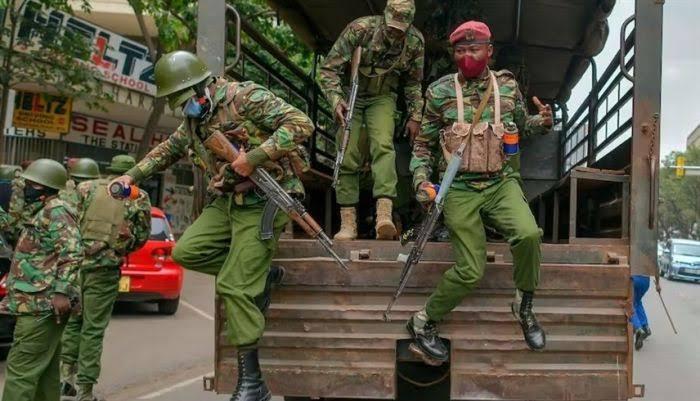

Kenyan authorities on Saturday arrested renowned human rights activist Boniface Mwangi at his home near the capital, Nairobi. According to a report by Reuters, police also raided and searched his office. The arrest comes amid heightened regional tensions surrounding cross-border human rights violations and legal efforts to hold East African governments accountable.
Mwangi’s detention follows a high-profile legal complaint filed by a group of activists, including himself, before the East African Court of Justice. The complaint accuses Tanzanian authorities of kidnapping, unlawful detention, and torture. The activists say the abuse occurred earlier this year when they attempted to travel to Tanzania to attend the trial of opposition leader Tundu Lissu, who faces treason charges.
The Kenya Human Rights Commission (KHRC), which has been actively supporting the activists’ legal action, confirmed Mwangi’s arrest and denounced it as a move to silence whistleblowers and intimidate civil society actors. The Commission expressed deep concern over what it called “a dangerous pattern of transnational repression” aimed at preventing human rights defenders from exercising their right to observe and speak out on politically sensitive issues.
According to the activists’ petition, they were apprehended inside Tanzanian territory, held without due process, and subjected to physical and psychological abuse before being forcibly returned to Kenya. They argue that their rights under regional and international human rights frameworks were systematically violated.
Boniface Mwangi is one of Kenya’s most prominent civil society figures and has long been known for his outspoken activism against corruption, police brutality, and political repression. His sudden arrest has triggered a wave of criticism from local and international rights organizations, with many calling for his immediate and unconditional release.
No official statement has been released by Kenyan authorities regarding the reasons for Mwangi’s arrest or the legal basis for the office search. However, human rights groups are warning that this may be an attempt to derail or discourage further legal action against the Tanzanian government.
The incident adds to growing concern over the erosion of civic space in East Africa, where activists and opposition leaders are increasingly facing arrests, surveillance, and intimidation. It also underscores the fragile state of regional cooperation on human rights issues, as well as the rising risks for those who challenge political power within and across borders.


