
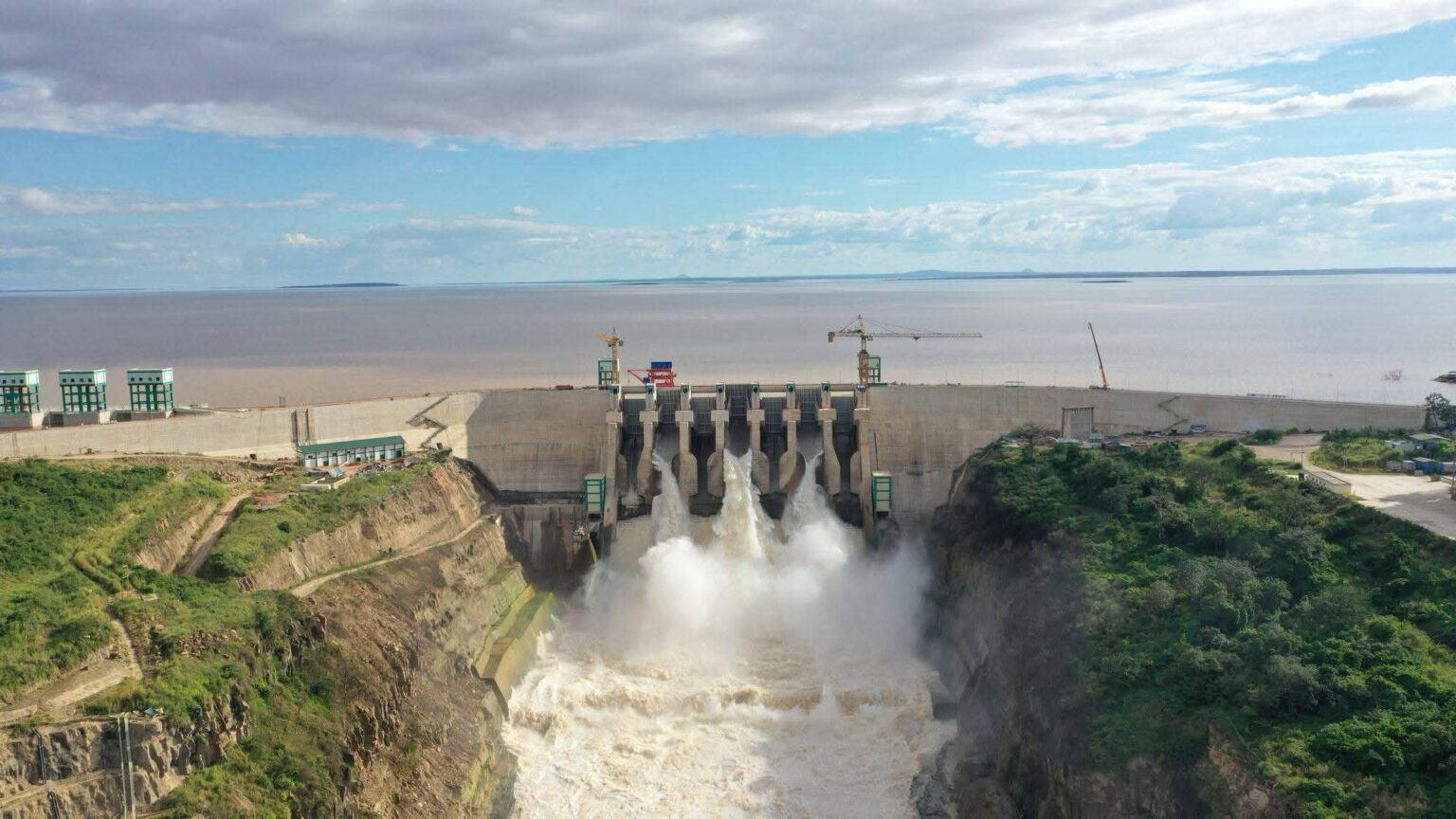

The inauguration of the Egyptian-built Julius Nyerere Hydropower Project marks more than the completion of one of Africa’s largest infrastructure projects. It highlights a growing development partnership between Egypt and Tanzania, with energy cooperation creating new opportunities for trade, investment, infrastructure and technical expertise.
On the banks of Tanzania’s Rufiji River, a major symbol of African development cooperation has taken shape.
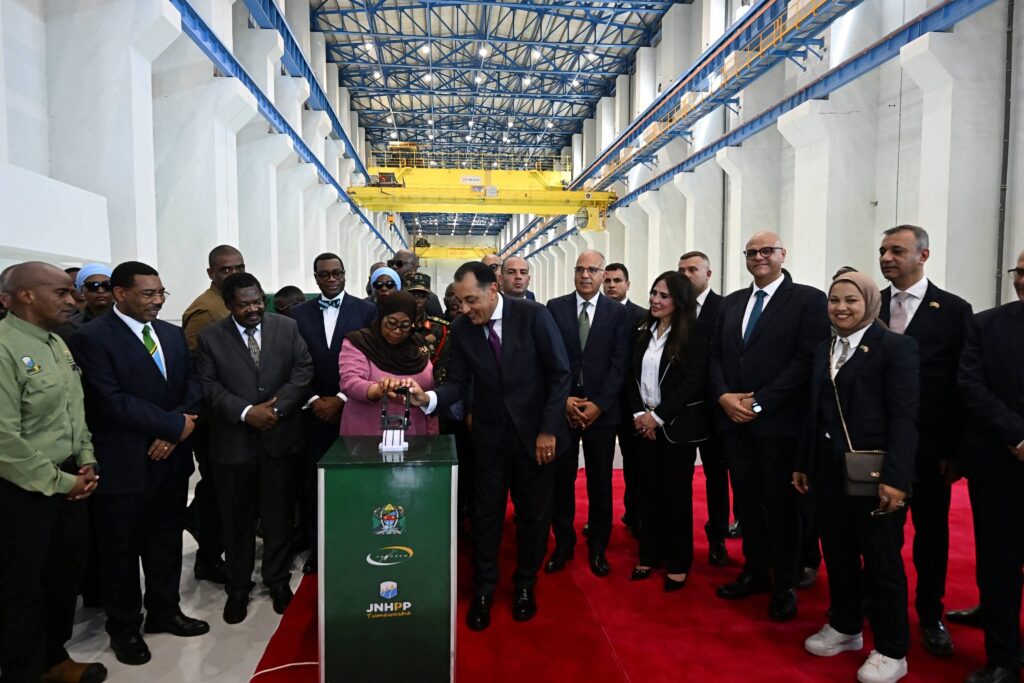
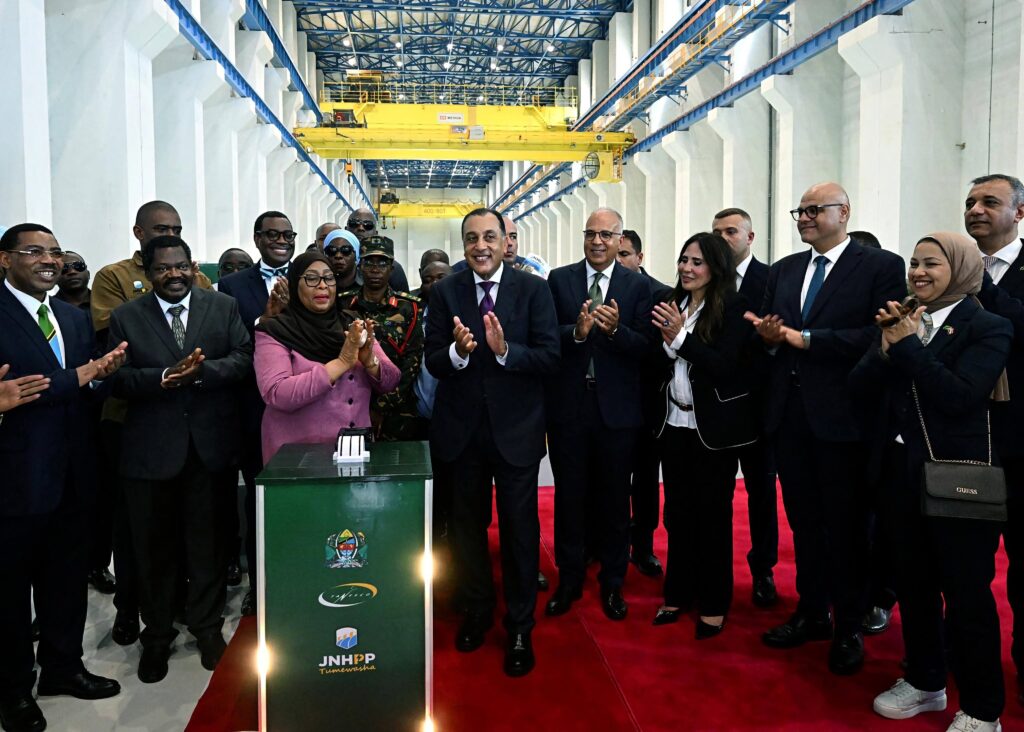
The inauguration of the Julius Nyerere Dam and Hydropower Plant, attended by Tanzanian President Samia Suluhu Hassan and Egyptian Prime Minister Mostafa Madbouly, marked the completion of a landmark project that brings together Tanzania’s development ambitions and Egypt’s engineering expertise.
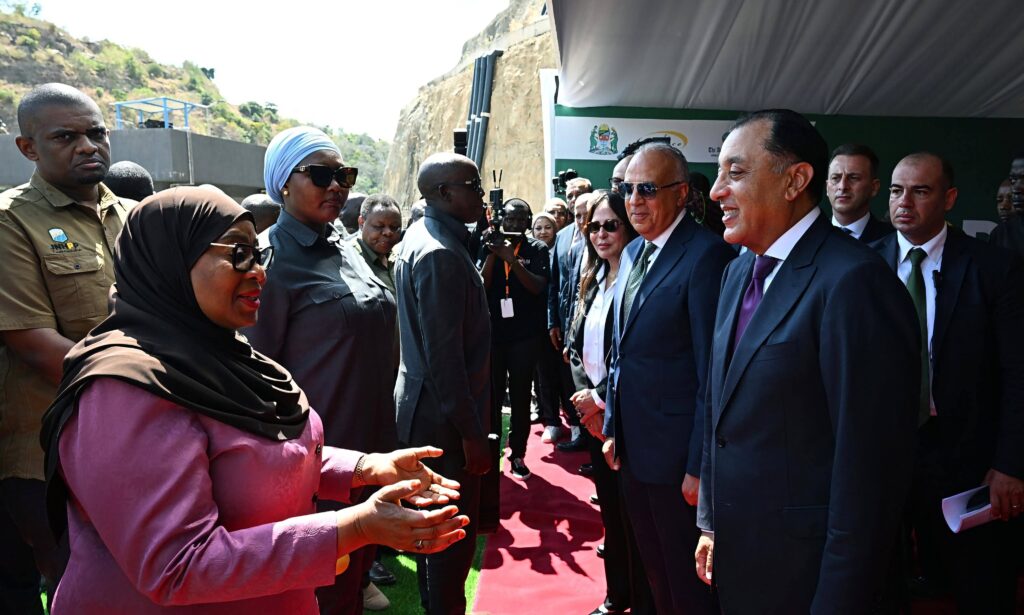
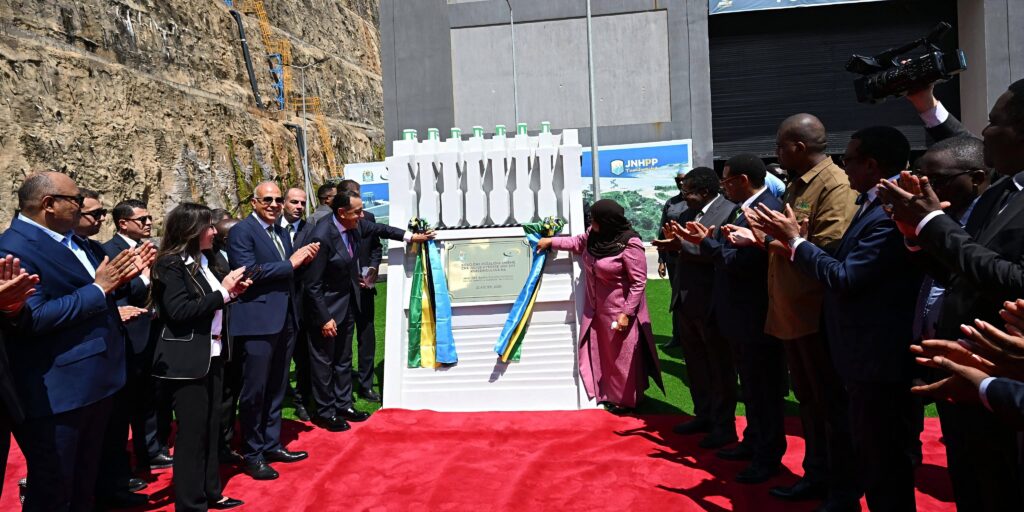
Representing President Abdel Fattah El-Sisi, Madbouly joined Hassan for a tour of the project before the two leaders unveiled a commemorative plaque to officially inaugurate the facility.
Built by an Egyptian alliance comprising Arab Contractors and Elsewedy Electric, the 2,115-megawatt project is expected to strengthen Tanzania’s electricity generation capacity and support its broader economic development plans.
The project’s significance, however, extends beyond its turbines and concrete structures
For Egypt and Tanzania, the project has become a tangible example of how bilateral cooperation can translate political ties into major development achievements while creating a foundation for wider economic engagement.
From a National Ambition to a Shared Achievement
Hassan also framed the inauguration as a vindication of Tanzania’s decision to pursue the project despite years of criticism at home and abroad. The new dam, she said, demonstrated the government’s willingness to take decisive decisions in pursuit of long-term national development, rejecting earlier claims that the investment would become a “white elephant.”
The scale of the Julius Nyerere Dam project reflects the importance Tanzania has attached to expanding its electricity supply.
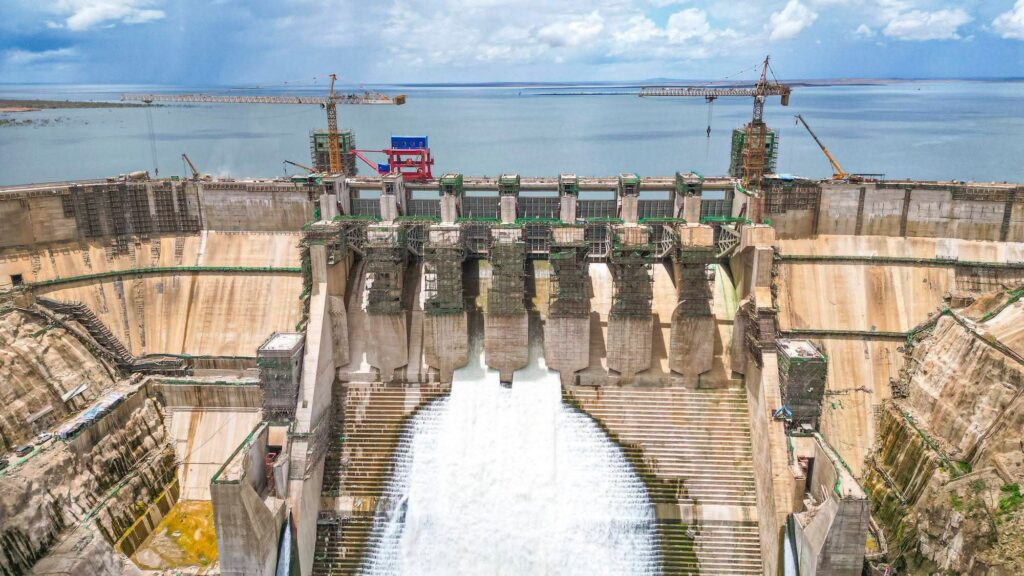
The main concrete dam stretches 1,036 metres across the Rufiji River and rises 131 metres high. Behind it is a reservoir with a storage capacity of about 34 billion cubic metres, while seven outlets have been installed to regulate water flows.
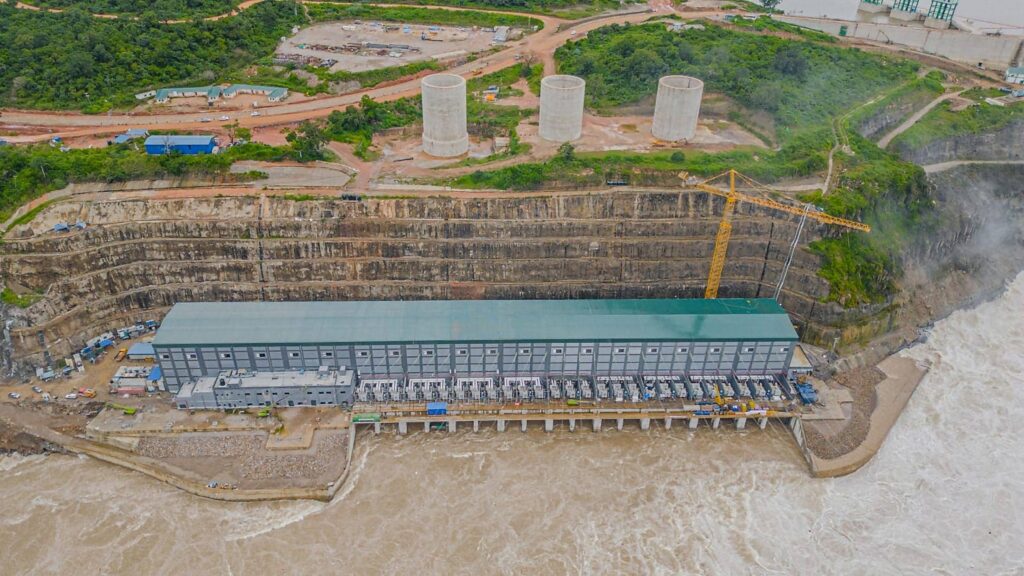
At the heart of the complex is a powerhouse containing nine hydroelectric turbines, each capable of generating 235 megawatts.
Together, the turbines provide an installed capacity of 2,115 megawatts.
The electricity generated will pass through a 400-kilovolt switchyard before being integrated into Tanzania’s national electricity network through the Shalenz 1 and Shalenz 2 transmission circuits.
A bridge constructed along the crest of the dam connects the two banks of the Rufiji River, adding to the project’s extensive infrastructure.
During their joint tour, Madbouly and Hassan inspected the powerhouse, switchyard and main dam, witnessing the completion of facilities that will form the backbone of Tanzania’s expanded power-generation system.
For Tanzania, the Julius Nyerere Dam project represents the realisation of a long-standing development ambition.
For Egypt, it demonstrates how its companies can contribute to major infrastructure priorities across Africa.
The People Behind the Julius Nyerere Dam Project
The story of Julius Nyerere is not only about the scale of the dam.
Behind the concrete, turbines and electrical systems are thousands of engineers, technicians and workers who transformed the project from a national vision into a functioning power facility.
A detailed account by Tanzanian engineer Titus Thobias highlights the human and engineering effort involved in building the project. Thousands of Tanzanian and Egyptian workers participated in construction, creating a major pool of practical experience in large-scale hydropower and infrastructure development.
The construction site required extensive logistics and planning. Access roads, camps, workshops, warehouses and other supporting facilities had to be developed in the Rufiji basin to enable construction of the dam and power station.
Workers also had to coordinate excavation, concrete placement, heavy machinery, mechanical installations and sophisticated electrical systems in a demanding environment.
For Tanzanian engineers and technical professionals, the project provided valuable experience in managing an infrastructure undertaking of international scale.
That transfer of knowledge could prove to be one of the project’s most enduring legacies, helping build local expertise for future infrastructure projects.
For Egypt, an Engineering Gateway to Africa
For Egypt, the Julius Nyerere project represents far more than a major engineering achievement abroad.
It provides a tangible example of how Egyptian expertise can contribute to Africa’s development priorities while opening new opportunities for economic engagement.
The Julius Nyerere Dam project was completed over 42 months at a cost of about $2.9 billion, according to Madbouly.
He said the successful implementation of the project demonstrated the ability of Egyptian companies to undertake major international projects, particularly in Africa, describing the dam as one of the continent’s three largest.
The achievement has strengthened the profile of Egyptian companies in Tanzania and provided a high-profile reference for their efforts to expand into African markets.
More importantly, it offers a practical model for development cooperation in which Egyptian engineering capabilities are aligned with Tanzania’s infrastructure needs.
The partnership is now expected to move beyond the dam.
Madbouly said Cairo is keen to use the momentum generated by the project to deepen economic relations with Tanzania, particularly by increasing trade and encouraging investment.
The areas under discussion are broad, ranging from construction, roads, maritime transport and ports to logistics, agriculture and land reclamation, fisheries and aquaculture, pharmaceuticals, medical supplies, electricity and energy.
This wider agenda reflects an ambition to develop a comprehensive economic partnership rather than limit cooperation to individual infrastructure projects.
Egyptian companies can bring experience in engineering, construction, energy and large-scale infrastructure, while Tanzania offers expanding opportunities linked to its development and industrialisation plans.
From Energy Cooperation to Wider Economic Ties
The Julius Nyerere project has given the two countries a strong foundation on which to build.
The completion of a Julius Nyerere Dam project of this scale has demonstrated that Egyptian and Tanzanian institutions and companies can work together on complex development initiatives.
The next step is to replicate that cooperation across other sectors.
President El-Sisi’s visit to Dar es Salaam on July 18, 2026, provided additional momentum. The visit included meetings between Egyptian and Tanzanian business representatives to explore investment opportunities and identify areas for greater private-sector cooperation.
For Cairo, greater private-sector involvement is essential to transforming political goodwill into sustainable commercial relationships.
For Dar es Salaam, stronger links with Egyptian companies could provide access to expertise, investment and technology as Tanzania expands its infrastructure and productive sectors.
The potential cooperation covers some of the areas most closely linked to Tanzania’s future growth, including transport infrastructure, logistics, agriculture, energy and manufacturing.
The Julius Nyerere project therefore serves as both an achievement in its own right and a reference point for future partnerships.
Powering Tanzania’s Development
At the centre of Tanzania’s interest in the project is electricity.
The addition of 2,115 megawatts of installed capacity is expected to strengthen the country’s power system and support its ambitions to expand industrial production and attract investment.
Reliable electricity is essential for factories, businesses, transport infrastructure and public services. Greater generation capacity can also provide the foundation for new industries and support economic activity beyond the country’s major urban centres.
The Julius Nyerere Dam’s success, however, will ultimately be measured by how effectively its electricity is integrated into the national grid and translated into wider economic benefits.
The dam provides the generating capacity.
Tanzania now faces the broader task of ensuring that the power reaches the businesses, industries and communities that need it.
That makes the project’s inauguration a beginning as much as a conclusion.
A Partnership Beyond Infrastructure
The cooperation surrounding Julius Nyerere also carries a wider regional dimension.
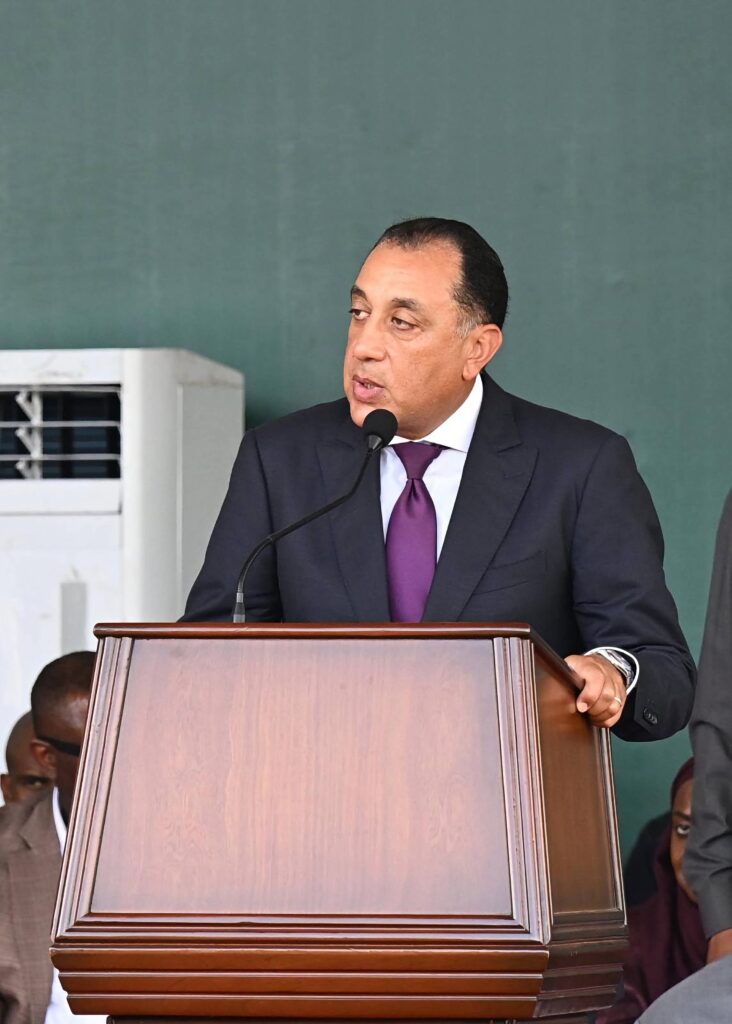
In his remarks, Madbouly hailed Tanzania’s positions on regional issues and expressed Cairo’s appreciation for what he described as the country’s positive and balanced approach to a number of matters of mutual interest.
Madbouly further voiced Egypt’s hope that Tanzania would continue to play a constructive role in promoting understanding and cooperation among the countries of the Nile Basin.
Madbouly’s remarks underline the broader context in which the development partnership is taking place.


