

The International Organization for Migration (IOM) warned on Wednesday that conflict, economic pressures and shifting migration patterns across the Middle East and North Africa (MENA) are creating conditions that enable criminal networks to more easily deceive, recruit and exploit vulnerable people.
Marking the World Day Against Trafficking in Persons, the UN migration agency said trafficking in the region has traditionally been associated with forced labour, domestic servitude and abusive working conditions. However, it warned that trafficking for forced criminality in online scam operations in Asia is emerging as a rapidly growing threat.
“Instability and conflict across this region are deepening the vulnerabilities that traffickers exploit,” said Othman Belbeisi, IOM Regional Director for the Middle East and North Africa.
“Behind every scam is a person whose hopes for a better future were manipulated. They are victims of trafficking and must be protected, not punished,” he added.
According to IOM, victims are lured by fraudulent job offers, transported to scam compounds and coerced into carrying out cyber-enabled fraud under slave-like conditions. The agency said citizens of MENA countries, as well as the millions of migrants living and working across the region, are increasingly at risk of being targeted or recruited into these criminal networks.
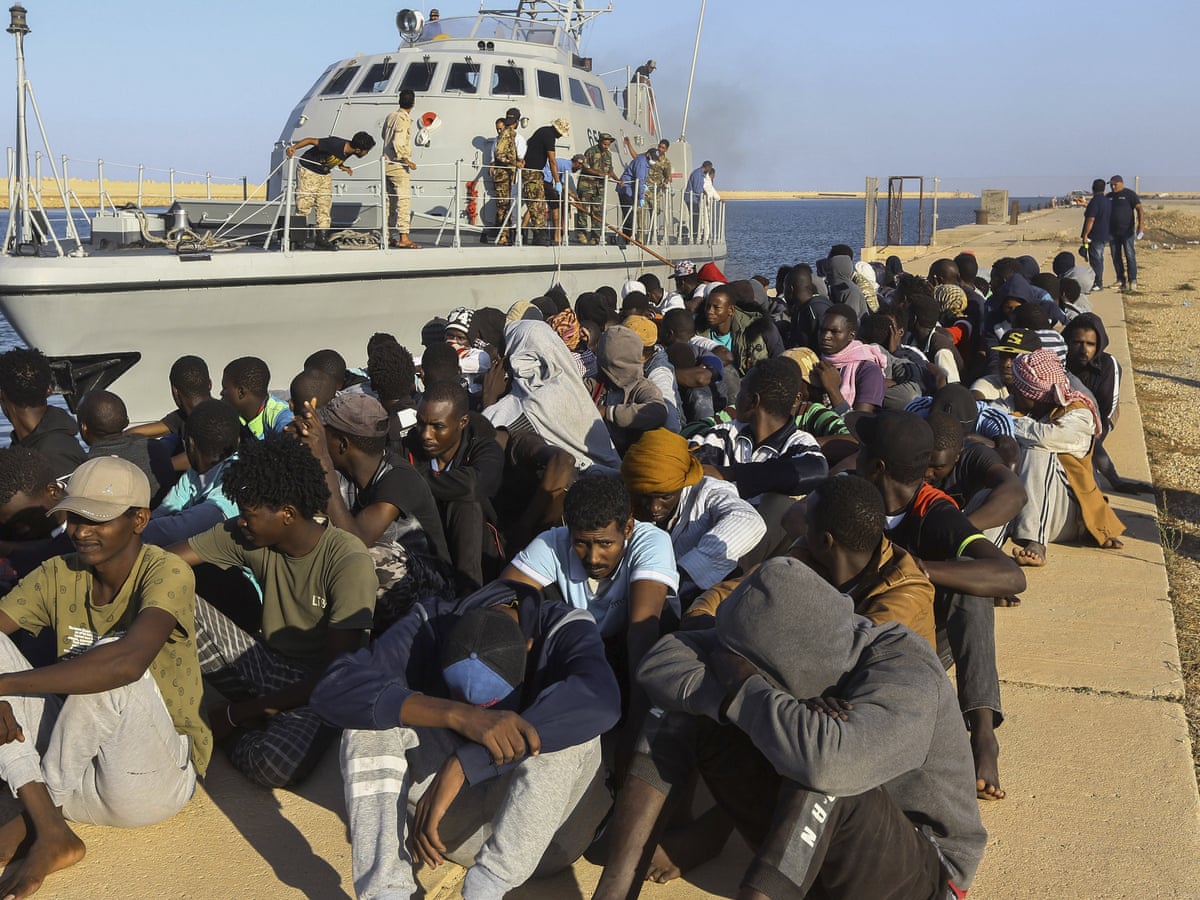
The agency highlighted conflicts in Sudan, Libya, Syria, Yemen, Lebanon and the Occupied Palestinian Territory as major drivers of displacement, saying millions have been forced from their homes, families have been separated and protection systems weakened. Displacement, it said, is not only a humanitarian crisis but also a significant factor increasing the risk of trafficking.
IOM said migrant workers stranded by conflict or crises, and unable to return home or change employers, are particularly vulnerable to traffickers offering false promises of employment, safety or onward movement.
The agency also raised the alarm that criminal networks are adapting rapidly by using digital technologies and cross-border structures to expand their operations.
Online scam operations generated an estimated USD 40 billion globally last year, while the United Nations Office on Drugs and Crime (UNODC) estimated losses of up to USD 37 billion in East and Southeast Asia in 2023.
Since 2022, IOM has assisted more than 3,500 victims trafficked into online scam centres.
IOM said that 26% of the trafficking victims it screened and assisted globally, including those exploited in online scam operations, were identified in MENA countries.
Calling for stronger regional action, IOM urged governments and partners across the region to strengthen victim identification, expand cross-border cooperation and ensure migrants have access to protection and justice.
“On World Day Against Trafficking in Persons, we must recognise that instability across MENA is giving traffickers new opportunities to exploit the most vulnerable,” Belbeisi said.
“This region can lead by example. By strengthening identification, expanding cross-border cooperation and ensuring migrants can access protection and justice, we can—together—dismantle the networks that trade in human misery for profit.”


