
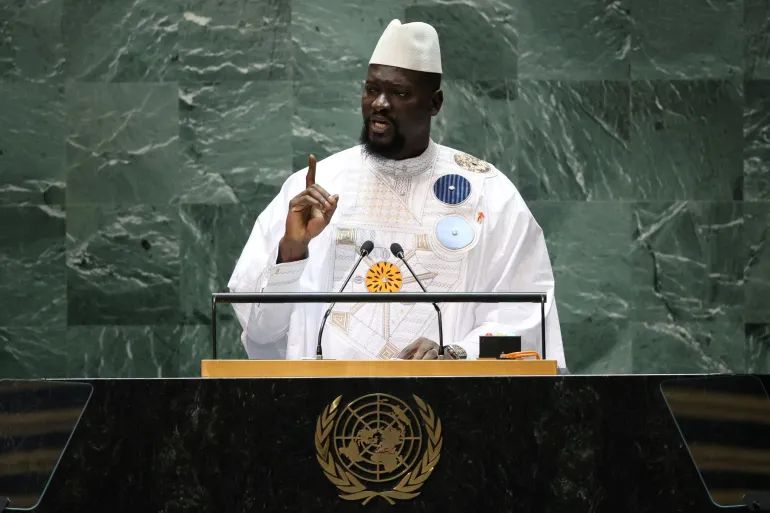

Guinea’s leading opposition groups have called for mass demonstrations beginning 5 September to protest what they describe as an attempt by transitional leader General Mamady Doumbouya to hold on to power beyond his current mandate.
The move follows Doumbouya’s announcement of a 21 September referendum on a new constitution. Opposition leaders argue that the draft charter — presented to the general in June 2025, nearly three years after he seized power in a coup that overthrew civilian president Alpha Condé — fails to guarantee that he will step down at the end of the transition. Instead, they say, it leaves the door open for him to run in future presidential elections, in violation of the transitional charter, which bars members of the junta, cabinet, and interim institutions from standing for office.
The “Active Forces of Guinea” coalition, comprising the country’s main opposition parties and prominent civil society organizations, issued a statement on Sunday declaring its outright rejection of the referendum. The group accused Doumbouya of attempting to “legitimize a constitution that exempts the general from his commitments and grants him presidency for life.”
The controversy over the draft constitution comes against a backdrop of political tension and a continuing ban on public demonstrations imposed since 2022. Rights groups, including Amnesty International, have accused the military authorities of a pattern of repression — citing arbitrary arrests, politically motivated prosecutions, and forced exile of opponents. Amnesty’s May 2024 report said at least 47 people have been killed in security crackdowns on protests since the military takeover.
Opposition leaders warn that adopting the constitution in its current form would mark “a flagrant violation of the transitional pact” and amount to a “political betrayal” of Guinea’s democratic aspirations. The country, they note, has endured decades of political instability, marked by repeated military coups and authoritarian rule.


