

Libya’s grain import requirements are expected to increase to about 3.3 million metric tons during the 2026/27 marketing season, around 7% above the average, as drought reduces domestic production and the country continues to rely heavily on overseas supplies, the United Nations’ Food and Agriculture Organization (FAO) said.
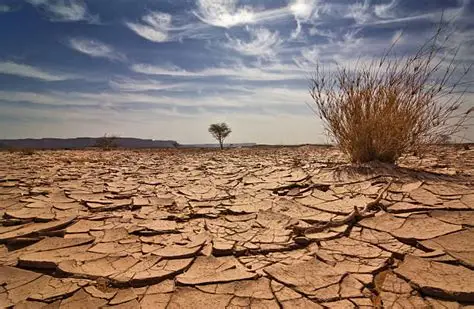
The agency said Libya’s winter wheat and barley harvest is due to conclude by the end of July, but dry weather during October and November 2025 reduced the area planted across much of the country, weighing on crop production.
Although rainfall improved in some areas from March 2026, precipitation remained well below average in the eastern Green Mountain (Jabal al Akhdar) region, Libya’s main grain-producing area, FAO said.
As a result, the country’s total cereal production is forecast at around 150,000 metric tons in 2026, about 20% below the five-year average.
FAO expects Libya to import around 1.5 million metric tons of wheat, which accounts for more than 40% of the country’s total grain imports. The projected wheat imports are nearly 12% above the average, reflecting weaker domestic production and continued dependence on imports to meet local demand.
The organization also warned that food prices remain under pressure, with annual inflation reaching about 18% in May. The rise was driven in part by a roughly 15% depreciation of the Libyan dinar against the same period last year, increasing the cost of imported food.
FAO said persistent political and economic instability continues to undermine livelihoods and access to essential services, while inadequate funding is constraining humanitarian assistance for vulnerable households.
The agency had previously estimated Libya’s grain imports at around 3.1 million metric tons in 2024, underscoring the country’s continued dependence on international markets to meet its food needs.


