
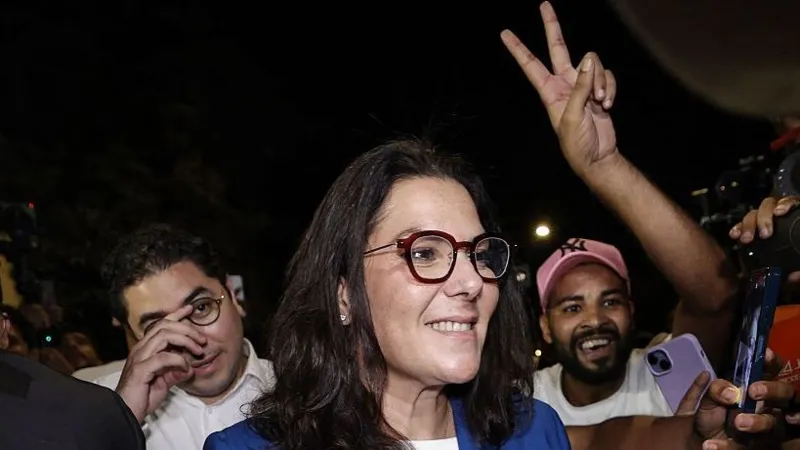

Morocco’s King Mohammed VI has appointed Fatima Zahra El Mansouri as the country’s first woman to head the government, following the victory of her Authenticity and Modernity Party (PAM) in last week’s parliamentary elections.
El Mansouri was appointed on Tuesday after PAM secured 97 seats in the 395-member House of Representatives, the largest number won by any party in the September 23 election. Under Morocco’s Constitution, the King appoints the head of government from the party that comes first in parliamentary elections.
The appointment marks a historic milestone for Morocco and makes El Mansouri only the second woman to lead a government in the Arab world, following Tunisia’s former Prime Minister Najla Bouden.
King Mohammed VI has tasked El Mansouri with forming the next government, meaning she will now have to negotiate with other political parties to build a governing coalition, as PAM did not secure an outright parliamentary majority.
The National Rally of Independents (RNI), which led the previous government, won 66 seats, while the Istiqlal Party secured 65. The Islamist Justice and Development Party (PJD), meanwhile, returned to parliament with 54 seats.
El Mansouri, 50, is a lawyer by training and one of Morocco’s most prominent female politicians. She first became mayor of Marrakesh in 2009 and returned to the position after the 2021 elections. She also served as minister responsible for national territory planning, housing and urban policy in the previous government.
Before her appointment, El Mansouri was a coordinator of PAM’s collective leadership. Following the election results, she said the final decision on who would head the government rested with the King.
Her appointment comes as Morocco faces a series of economic and social challenges, including unemployment, inflation and demands for improved public services. The new government will also oversee major investments and preparations connected to the 2030 FIFA World Cup, which Morocco will co-host with Spain and Portugal.
Morocco’s political system remains a constitutional monarchy in which the King retains significant powers, particularly in strategic areas including foreign affairs and security. The King also presides over the Council of Ministers, the country’s main policy-making body.
El Mansouri’s rise follows a period of increased political pressure over youth unemployment, living costs and public services, including youth-led protests in 2025. Her government will now face the task of forming a coalition and setting its priorities for the next parliamentary term.


