
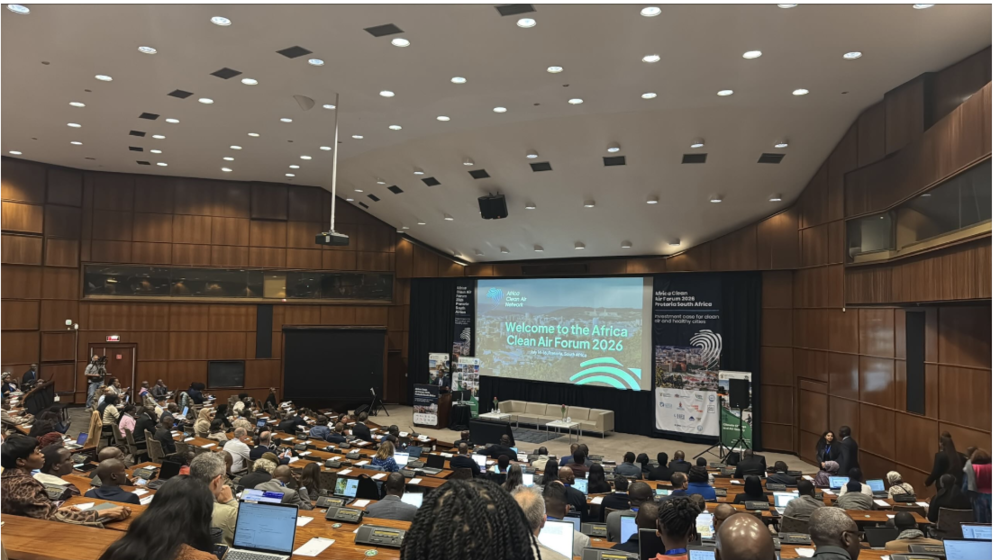

African policymakers, development partners and technical experts called for stronger air quality data, bankable investment projects and enhanced regional cooperation to unlock the financing needed to tackle air pollution across the continent, during technical sessions focused on practical solutions for cleaner air.
Participants agreed that robust data, clear investment cases and well-prepared projects will be essential to mobilize financing at the scale required to improve air quality and protect public health across Africa.
The discussions highlighted how evidence-based policymaking, regional collaboration and knowledge sharing are helping accelerate clean air initiatives, with speakers emphasizing that open access to reliable air quality data and harmonized transport policies are critical to translating scientific research into effective action.
A key session launched the Global Call to Open Air Quality Data, built around five guiding principles: representative monitoring, open and sovereign data systems, data quality, harmonized standards and transforming data into policy action.
Participants said air quality data should be treated as public digital infrastructure, enabling governments, researchers and communities to make informed decisions while strengthening transparency and accountability.
However, speakers cautioned that many African countries continue to face significant obstacles, including the high cost of maintaining monitoring networks, limited technical expertise and insufficient long-term funding, underscoring the need for sustainable partnerships to expand access to reliable air quality information.
Transport was identified as one of the sectors offering the greatest potential for rapid improvements in both air quality and public health.
The Climate and Clean Air Coalition (CCAC) said cleaner transport systems will require greater investment, technical assistance and stronger regulatory frameworks to accelerate the transition.
The Southern African Development Community (SADC) Secretariat reported that 11 of its 16 member states have already adopted fuels containing 50 parts per million (ppm) sulfur, while two countries have introduced 10 ppm ultra-low sulfur diesel, demonstrating how regional policy alignment can accelerate cleaner fuel markets and support the deployment of modern, low-emission vehicle technologies.
Representatives from South Africa and Uganda shared national experiences, highlighting the importance of implementing cleaner fuel standards, strengthening vehicle inspection and maintenance systems, enhancing emissions monitoring and expanding electric mobility.
Speakers also welcomed the adoption of the “African Continental E-Mobility Framework” by African transport and energy ministers earlier this year, describing it as a landmark step toward advancing sustainable transport across the continent.
The transport session concluded with the presentation of the Air Quality Management Exchange (AQMx) Road Transport Guidance, which offers governments practical tools, technical guidance and opportunities for peer learning to support cleaner fuels, tighter vehicle emission standards, stronger inspection systems and broader clean transport policies.
Additional technical sessions showcased evidence demonstrating the benefits of integrating air quality into climate, energy, transport and waste management strategies.
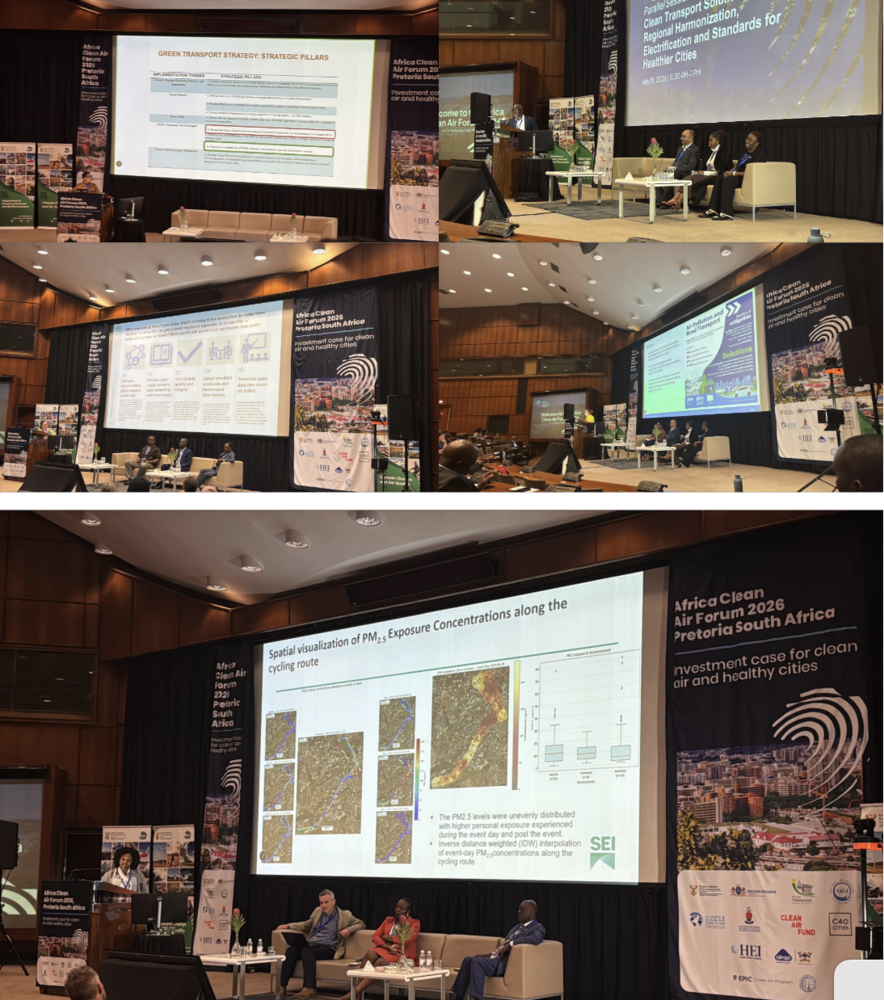
Case studies from Morocco, Nigeria and South Africa showed that improved waste management, cleaner household energy and low-emission transport can significantly reduce air pollution while delivering measurable health and economic gains.
Speakers further affirmed that robust monitoring systems and health impact assessments are essential for quantifying these benefits, strengthening the economic case for investment and guiding policy decisions.
Participants concluded that integrating clean air measures into broader climate and development strategies could generate substantial co-benefits, including improved public health, stronger economic growth and faster progress toward Africa’s net-zero emissions ambitions.


