

The World Health Organization (WHO) has raised alarm over the growing health crisis in Ethiopia, as the country recorded more than 520,000 malaria cases in May alone, amid simultaneous outbreaks of cholera, measles, and mpox.
According to the latest Ethiopia Health Cluster Bulletin, the East African nation reported 520,782 malaria cases last month, underlining a worrying spike in transmission during the secondary rainy season.
The WHO noted that conflict-affected regions continue to face severe humanitarian access restrictions, leaving many communities in urgent need of medical assistance and cut off from essential health services.
Malaria remains endemic across much of Ethiopia, with transmission particularly high in lowland areas below 2,000 meters, which make up approximately 75% of the country’s land mass. Roughly 69% of Ethiopia’s population lives in these high-risk zones.
While the disease typically surges during two peak seasons — September to December and April to May — this year’s transmission rates are among the most severe on record. In 2024, Ethiopia registered more than 8.4 million malaria cases, the highest annual tally in the country’s history, according to WHO data.
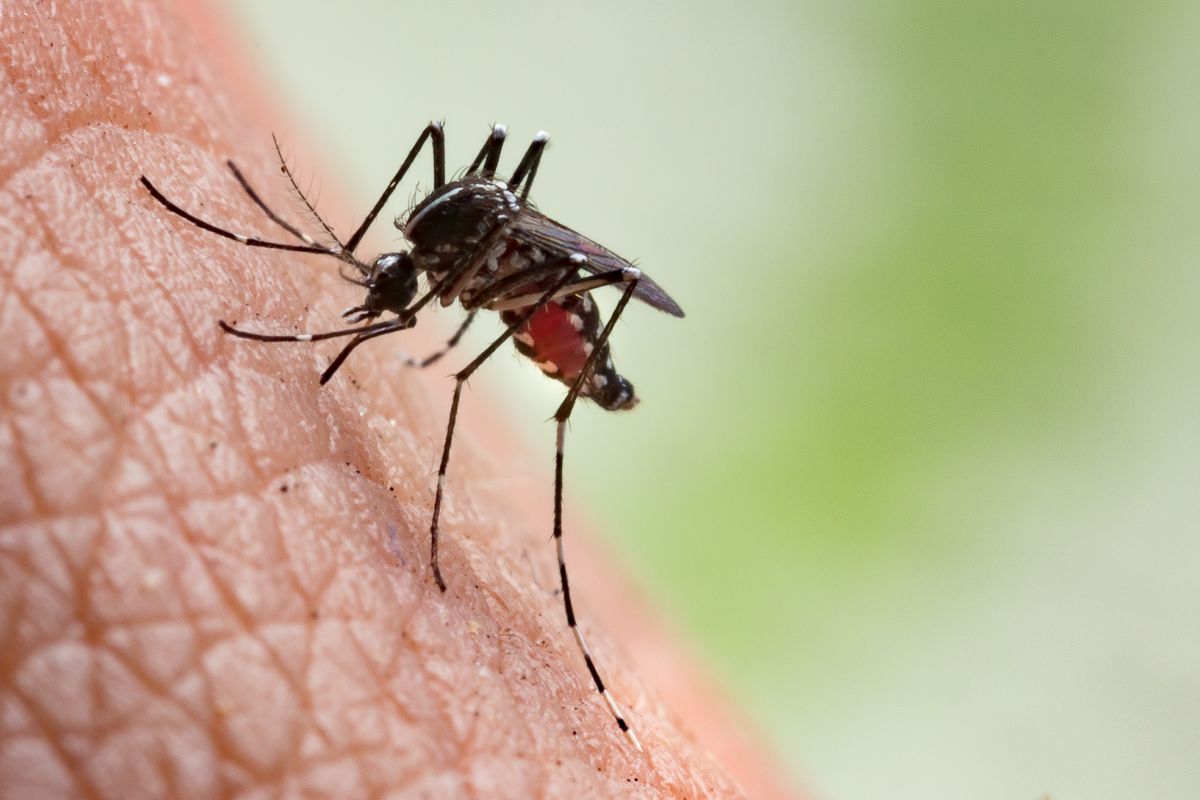
Malaria is a life-threatening disease caused by a parasite and transmitted to humans through the bite of infected Anopheles mosquitoes. Although it does not spread person-to-person, it can lead to serious complications without timely treatment.
Symptoms range from fever, chills, and headache to more severe conditions such as seizures, confusion, respiratory distress, and coma. The most vulnerable populations include infants, children under five, pregnant women, immunocompromised individuals, and travelers.
WHO emphasized that while malaria is preventable and curable, sustained efforts in surveillance, early diagnosis, treatment, and vector control are vital to stem its spread — particularly in fragile settings affected by displacement and conflict.
The report urges strengthened coordination among health authorities, humanitarian actors, and donors to ensure access to life-saving interventions across Ethiopia’s hardest-hit regions.


